
How Do You Control Ball Speed on a Backyard Putting Green?
The best way to control ball speed on a synthetic putting green is through a technical combination of turf material selection, the precise amount and type of infill used, and professional rolling techniques. Adjusting these key factors allows us to customize the stimp speed to match your desired playing style, from casual family fun to tour-level practice.
In this guide, we break down exactly how DFW homeowners can achieve the perfect ball roll speed for their backyard putting green.
Why Consistent Ball Speed Matters for Texas Golfers
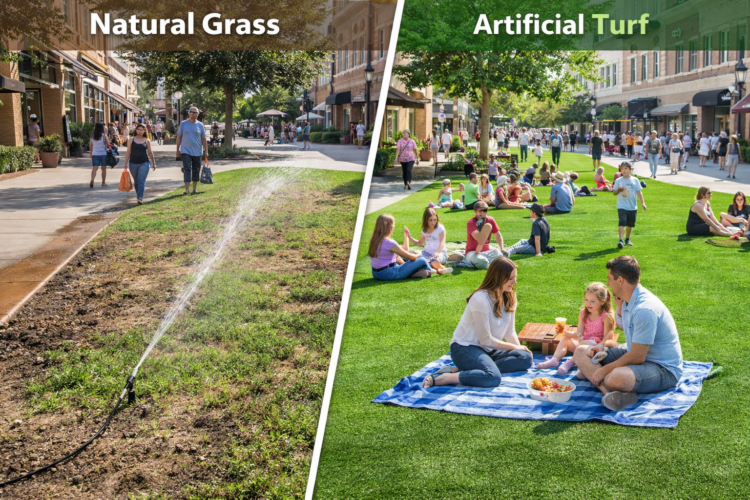
In North Texas, natural grass greens are notoriously inconsistent. One week they are soft from a spring storm, and the next they are baked hard by the 100-degree August sun. This makes consistent practice nearly impossible. A professional-grade synthetic green eliminates that variability, giving you a true roll every single time you step into your backyard. This is why so many serious Dallas-Fort Worth golfers have switched to a high-performance backyard putting green to sharpen their short game.
A Step-by-Step Guide to Pro-Level Roll Speed
Step 1: Selecting the Right Turf Fiber
It starts with the grass itself. For faster, more professional speeds, we use putting green turf with a short, dense pile height. The tightly woven nylon or polypropylene fibers allow the ball to roll smoothly across the very top of the blades with minimal resistance, simulating the feel of a freshly cut bentgrass green.
Step 2: The Science of Infill
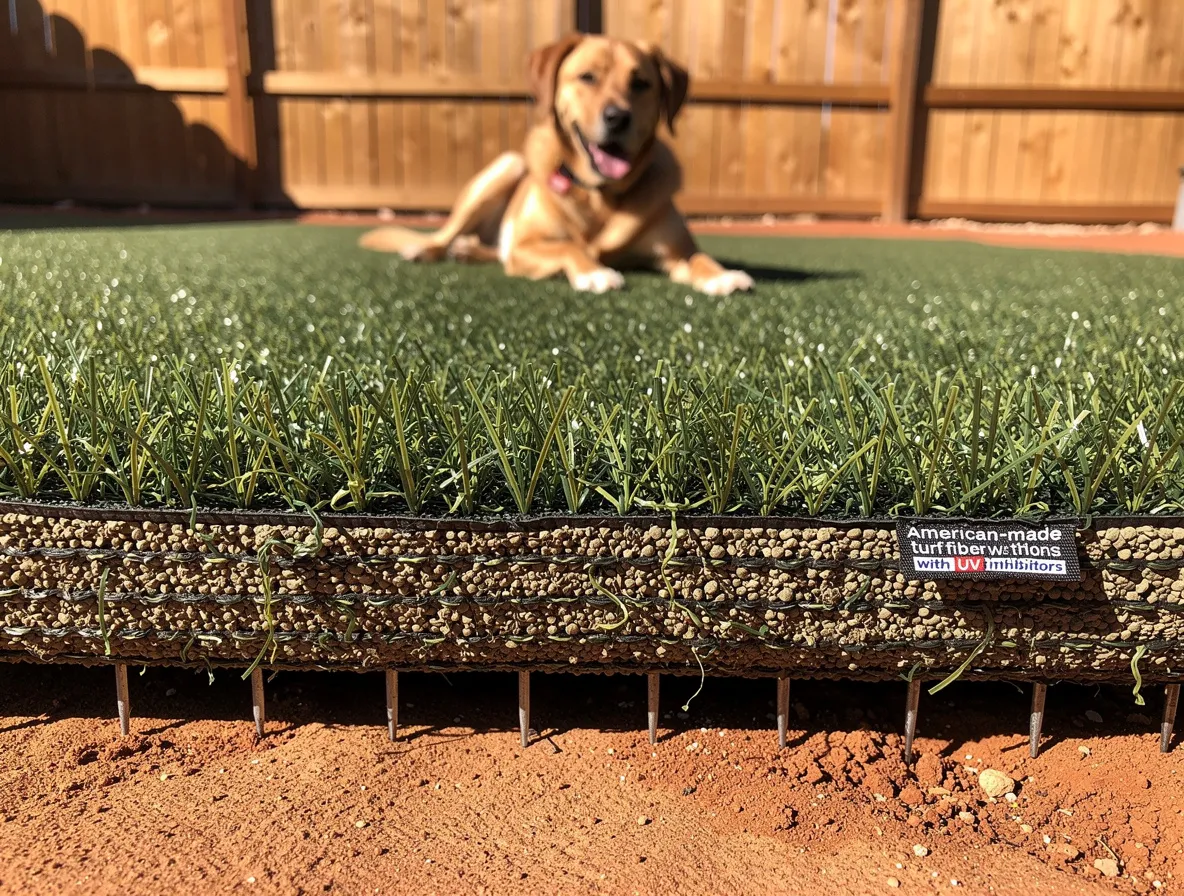
Infill is the secret weapon for dialing in your green’s speed. We use a high-purity, rounded silica sand as our infill. The amount of sand applied directly correlates to the speed:
- Less Infill: Creates a softer, slower surface, often stimping around 9-10. This is great for family-friendly greens or those who want to practice lag putting.
- More Infill: Fills the space between the turf fibers, creating a firmer, faster surface. With the right amount, we can achieve speeds of 11, 12, or even higher on the stimp meter to match the conditions at top DFW golf courses.
Step 3: Professional Compaction and Rolling
Once the infill is applied, we use specialized power brooms and rollers to ensure it settles evenly and compacts perfectly. This final step is critical for eliminating inconsistencies and achieving a true, predictable ball roll from any spot on the green. This technical process is what separates a DIY putting green from a high-performance practice surface.
Dealing with Ball Speed in the DFW Climate
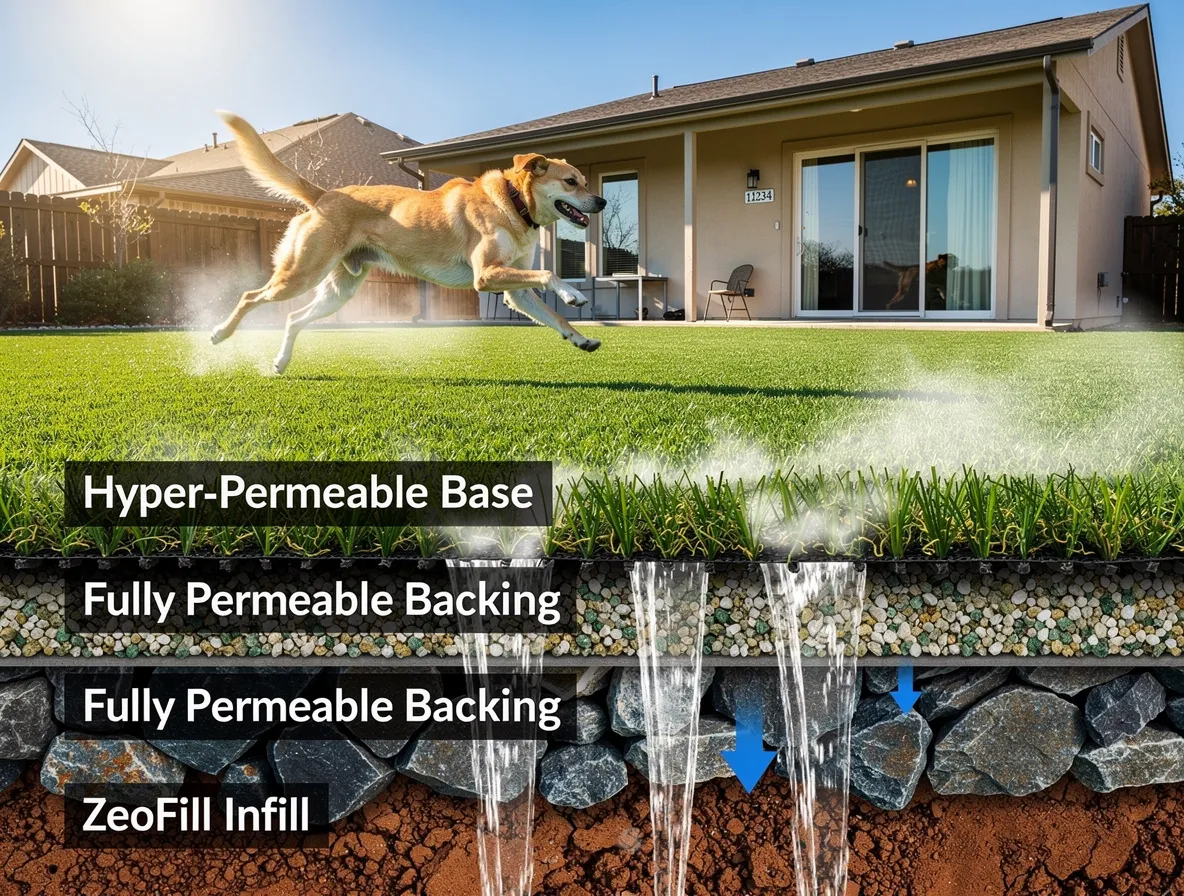
One of the biggest advantages of our putting greens is their stability in the volatile Texas weather. While a natural green at a local Dallas course gets spongy and slow after a downpour, our rapid drainage system keeps your green’s speed consistent. Our robust base construction also prevents the “gumbo” clay soil from shifting and creating bumps during intense summer heat, ensuring your putting surface remains perfectly smooth and your ball roll stays true for years.
The Bottom Line
Achieving the perfect putting green ball speed isn’t about just laying down a piece of turf; it’s a technical installation process. By expertly combining the right turf, infill, and compaction methods, we deliver a pro-level putting experience tailored specifically to your game.
Tired of inconsistent practice? Let the pros build a green that plays true, every day of the year.