How to Properly Install a Base for Artificial Turf in DFW
The secret to an artificial lawn that looks perfect for 15+ years isn’t the turf itself—it’s the foundation beneath it. The best way to install a base for artificial turf in DFW is by excavating native soil, installing and compacting a 3-4 inch layer of road base aggregate, and ensuring proper grading for drainage. In this guide, we break down exactly how DFW homeowners can guarantee a flawless, long-lasting installation by getting the base right from the start.
Why Your Turf Base is Crucial for a Lasting Texas Lawn
In North Texas, we build things on a challenging foundation: “gumbo” clay soil. This soil expands dramatically when it gets wet during our spring storms and shrinks and cracks during our 100°+ summer droughts. An improperly installed sub-base will simply mirror these problems, leading to wrinkles, low spots, and poor drainage in your expensive new lawn. A professionally engineered base creates a stable, permeable foundation that isolates your turf from the volatile soil below. This is why a proper base is a non-negotiable first step for any high-quality residential turf installation.
A Step-by-Step Guide to Turf Base Preparation
While the process is labor-intensive, understanding the steps ensures you know what a professional installation looks like. Skipping any of these can lead to premature failure.
Step 1: Proper Excavation
First, all existing grass, weeds, and organic material must be removed. We then excavate 4-5 inches of the native clay soil. This depth is critical in DFW to create a thick enough buffer to handle heavy rains and prevent the turf from sinking or shifting over time.
Step 2: Sub-Base Material (Road Base vs. Decomposed Granite)
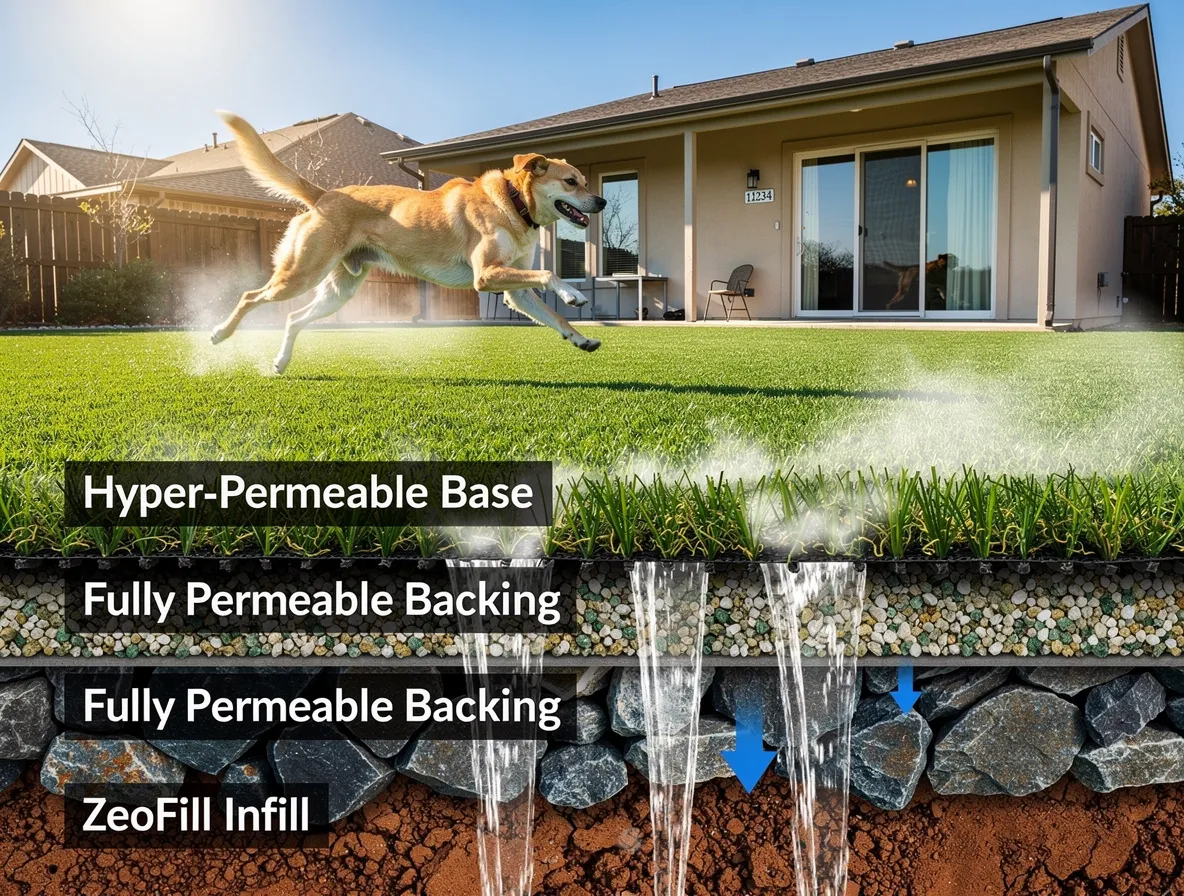
This is the most important layer. While some use decomposed granite (DG), we strongly recommend a crushed limestone road base aggregate in Texas. Road base is a mix of different-sized rock and fines that, when compacted, locks together to form an incredibly stable and highly permeable layer. DG can sometimes hold too much moisture against its surface, which isn’t ideal for pet areas.
Step 3: Compaction is Key
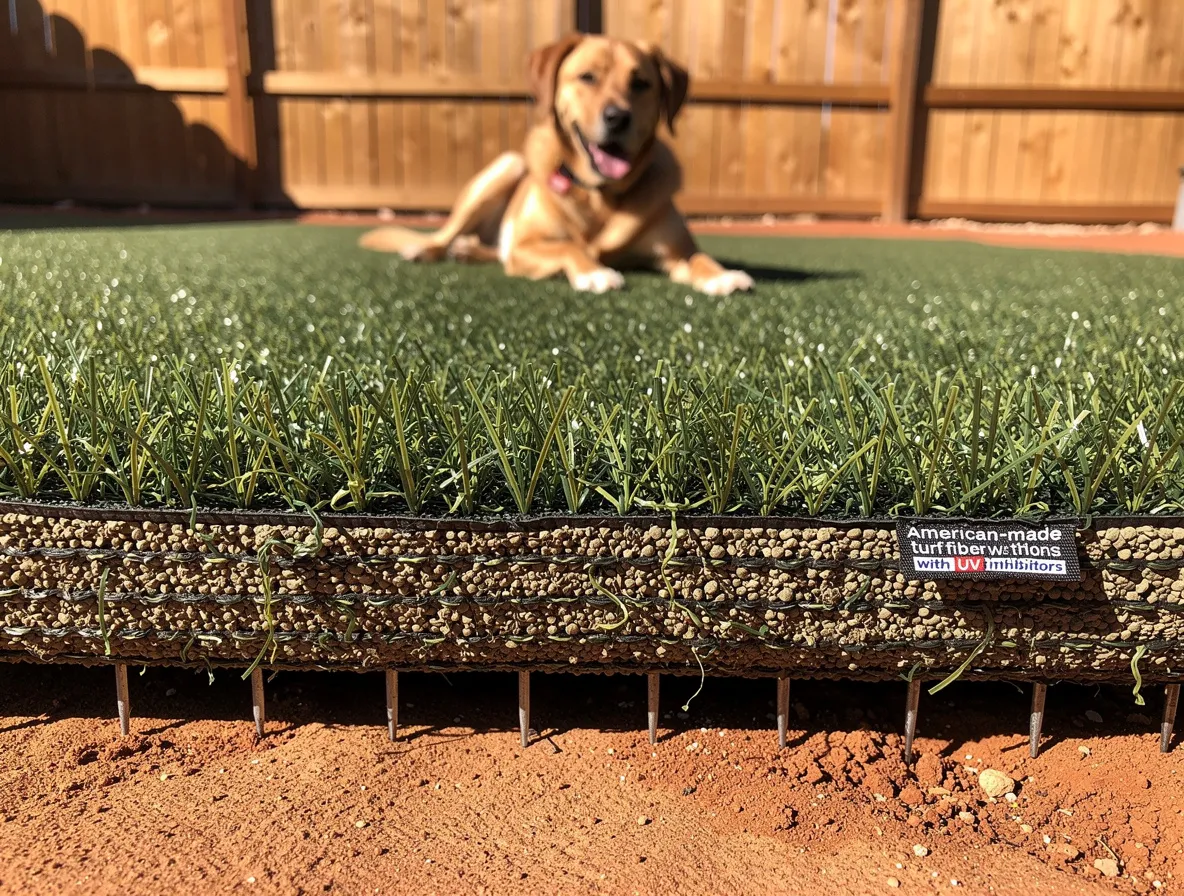
The aggregate base is spread evenly and then compacted with a heavy-duty plate compactor until it is at least 90% compacted. This process is repeated in layers to create a rock-solid foundation that will not sink under foot traffic, patio furniture, or even vehicles. Proper compacting is what ensures your turf stays perfectly level for years.
Step 4: The Final Leveling Layer
A very thin layer of leveling sand or fine granite may be used on top of the compacted base. This is not for structure but to fill any tiny voids and create a perfectly smooth surface to lay the turf on. This ensures you feel a smooth, firm lawn under your feet, not lumps and bumps.
Dealing with Turf Drainage in the DFW Climate
The DFW area is known for intense thunderstorms that can dump inches of rain in an hour. A properly installed road base is the best drainage layer for artificial turf. The gaps between the compacted stones allow water to pass through rapidly into the soil below, preventing pooling or flooding on your lawn’s surface. Unlike our native clay soil which turns into a muddy mess, a turf system with a proper base is ready for play just minutes after a storm.
The Bottom Line: A Perfect Lawn Starts From the Ground Up
The turf base is the most critical component of a synthetic grass system in North Texas. It dictates how well your lawn drains, how smooth it looks, and how long it will last. An expertly prepared base is the difference between a 5-year problem and a 20-year solution.
Don’t want to deal with the hassle of excavators, tons of rock, and plate compactors? Let the pros engineer the perfect foundation for your project.