What Are the Steps for a Professional DFW Artificial Grass Installation?
A professional DFW artificial grass installation involves seven key steps: site excavation, building a compacted aggregate base, laying the turf, seaming the pieces, securing the perimeter, adding the correct infill, and power brooming the final product for a flawless finish. In this guide, we break down exactly how All American Turf perfects each stage for a lawn that lasts.
Why Proper Installation is Non-Negotiable for Texas Lawns
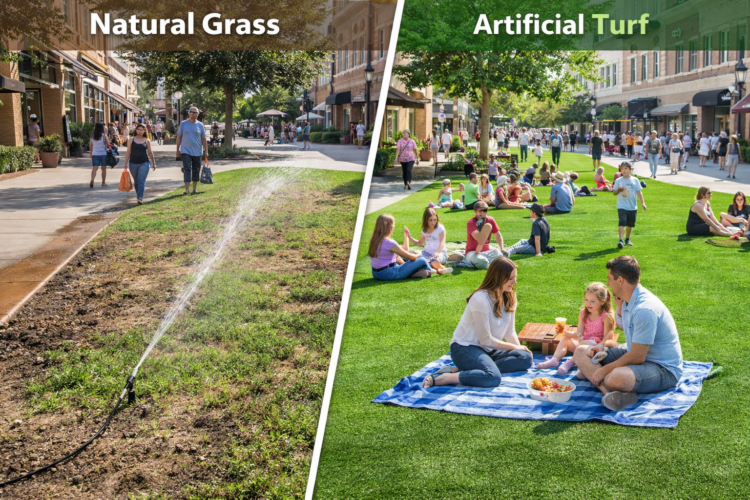
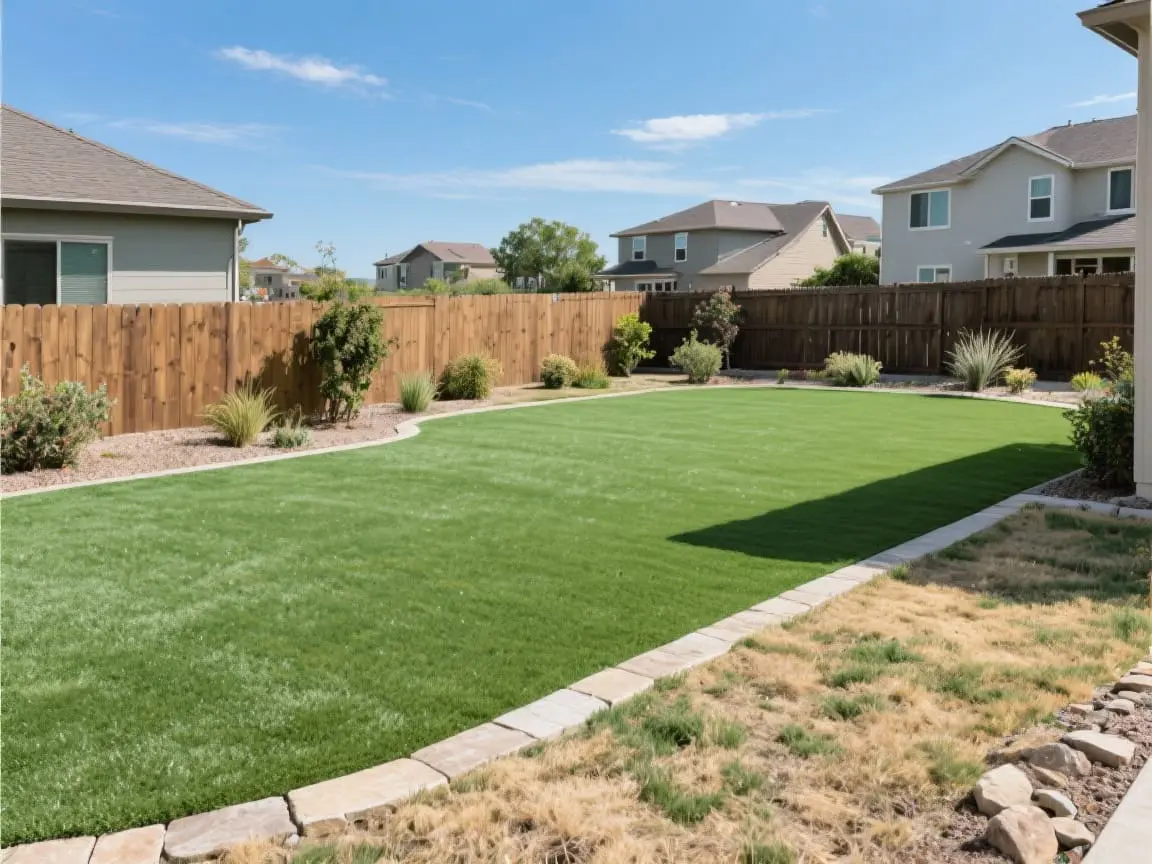
In North Texas, a successful artificial turf project is all about what’s underneath. Our infamous “gumbo” clay soil expands dramatically when wet and shrinks and cracks during our brutal summer heat. An improperly prepared base will shift, causing your expensive turf to develop wrinkles, low spots, and drainage problems. A professional installation isn’t just about making the grass look good on day one; it’s about engineering a system that can withstand the unique challenges of DFW’s climate for years to come. This is why many homeowners fed up with cracked soil and muddy yards switch to our expertly installed residential turf systems.
The All American Turf Installation Checklist: From Dirt to Dream Lawn
We follow a meticulous process to guarantee a perfect result every time. This expert checklist ensures your new lawn is durable, drains perfectly, and looks incredibly realistic.
Step 1: Excavation & Site Preparation
The first step is to remove the old, problematic lawn. Our crews excavate 3-4 inches of existing soil and grass. This depth is crucial in DFW to create enough room for a robust base that won’t be compromised by the shifting clay soil beneath it.
Step 2: Building the Compacted Aggregate Base
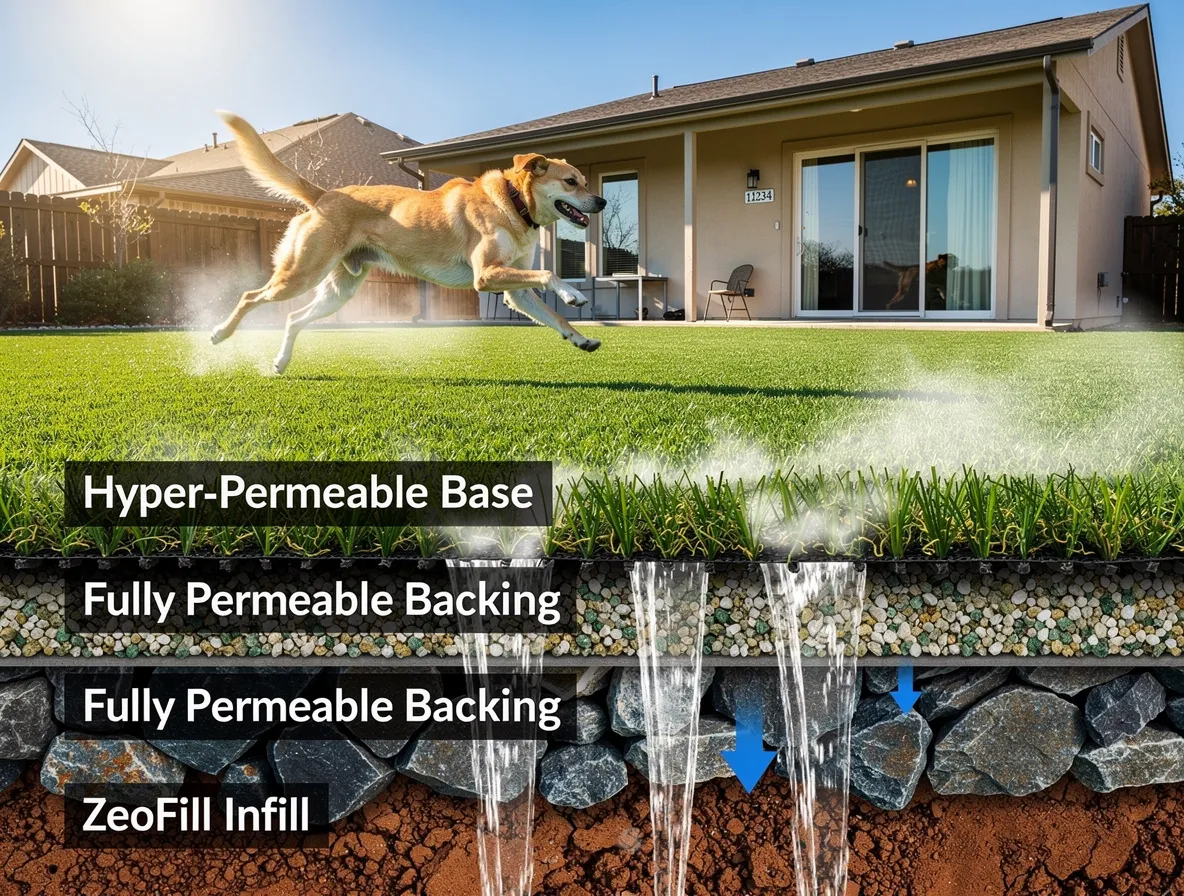
We install and grade a multi-layer base of crushed rock aggregate. This base creates a stable foundation that allows for rapid drainage during heavy Texas thunderstorms. We then use a plate compactor to achieve near-perfect compaction, ensuring the surface is solid and will never sink or shift.
Step 3: Laying and Cutting the Turf
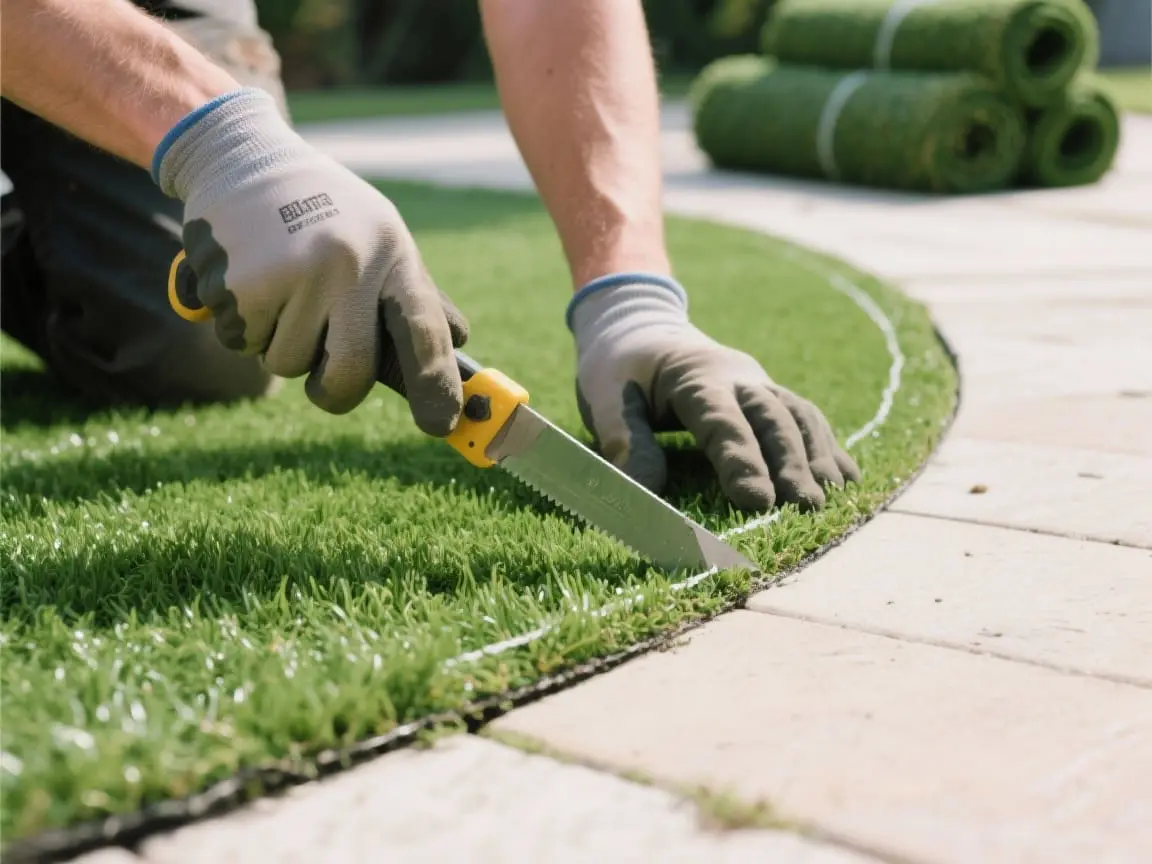
With the base prepared, we carefully roll out the premium, American-made turf. We ensure the grain of the turf fibers all face the same direction for a consistent, natural appearance. Our technicians then make precise cuts around landscaping, patios, and other features for a custom fit.
Step 4: Seaming for an Invisible Join
For most lawns, multiple pieces of turf must be joined together. This is where expertise matters most. We use professional-grade seaming tape and adhesive to create strong, invisible seams. An amateur job can leave you with an ugly “mohawk” effect, but our process ensures the transitions are undetectable.
Step 5: Securing the Perimeter
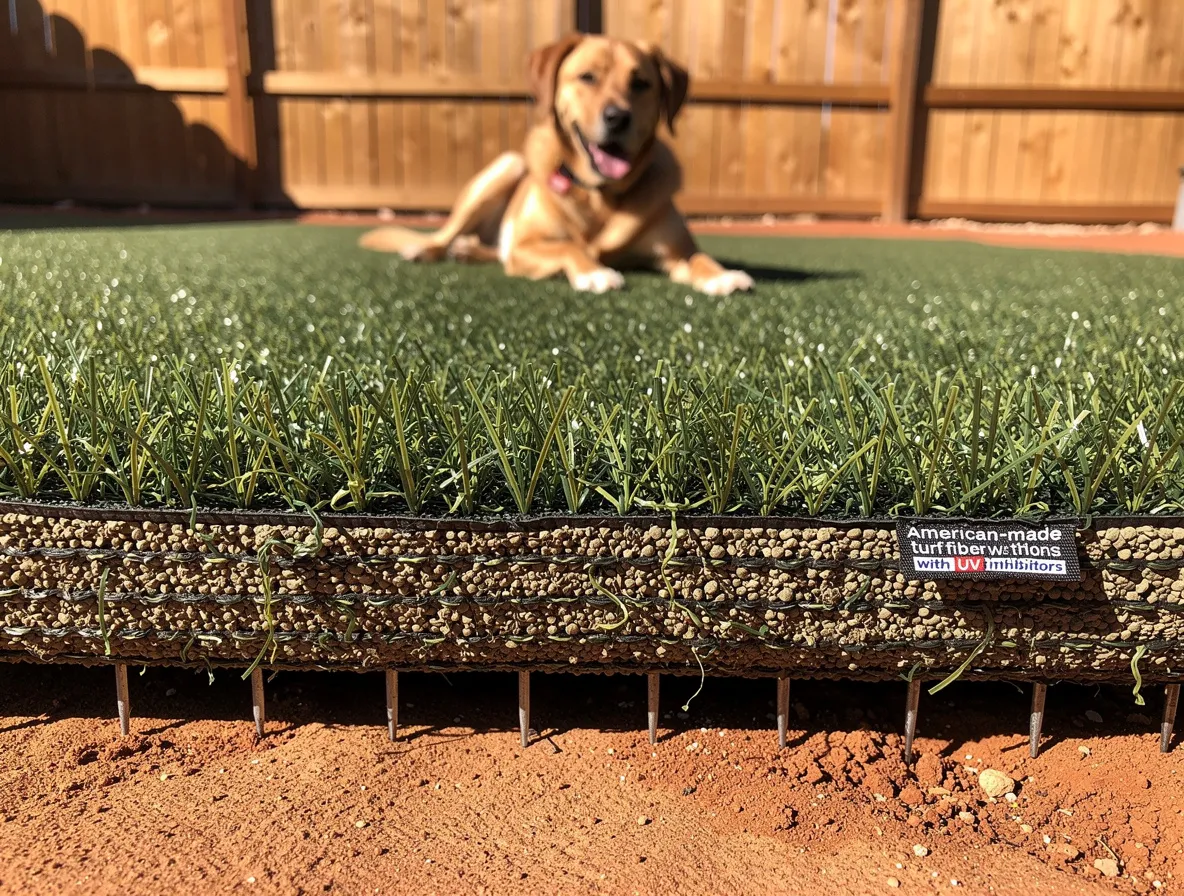
To prevent any edges from lifting over time, we secure the entire perimeter of the installation. We use 5-inch, non-galvanized landscape spikes placed every few inches to anchor the turf securely into the base material below.
Step 6: Applying the Infill
Infill is the granular material brushed deep into the turf fibers. It serves three critical roles: weighing the turf down, helping the blades stand upright, and keeping the surface cooler. We use different infills depending on the application, including antimicrobial options for our dedicated pet turf systems.
Step 7: The Final Power Broom & Inspection
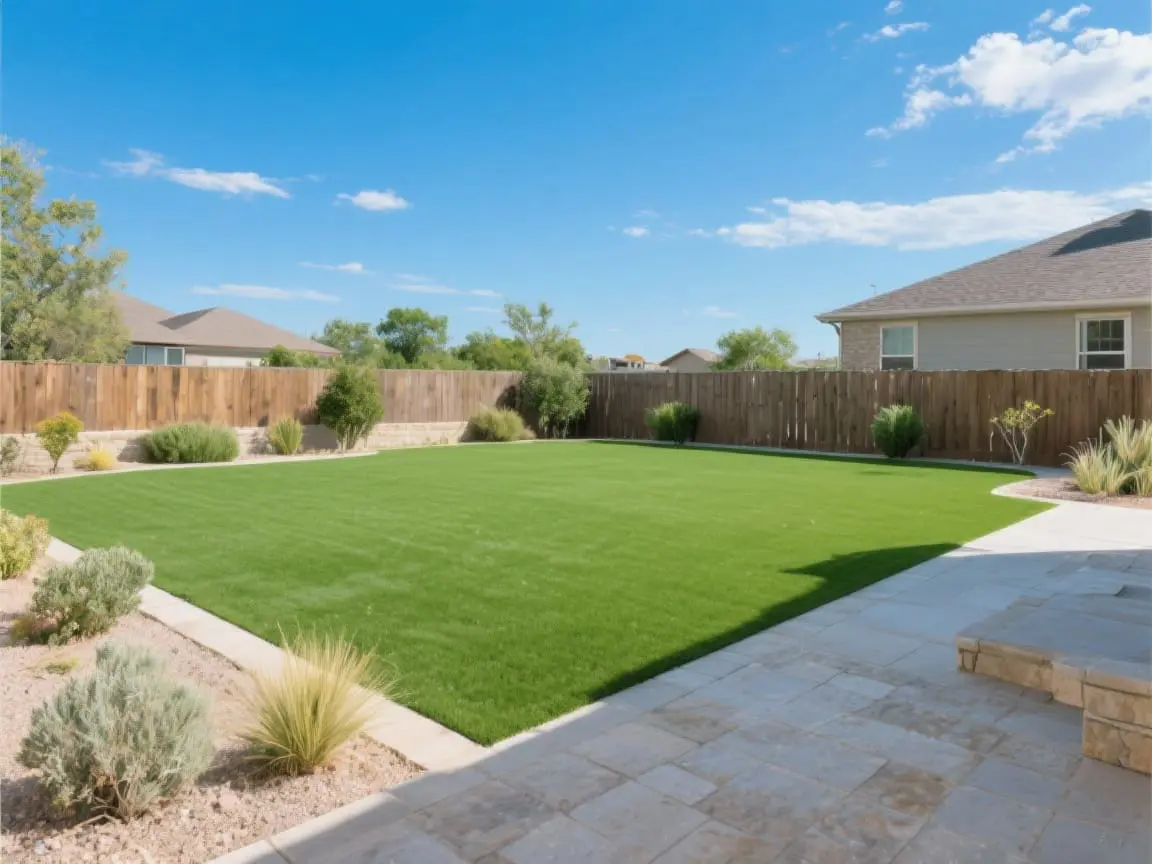
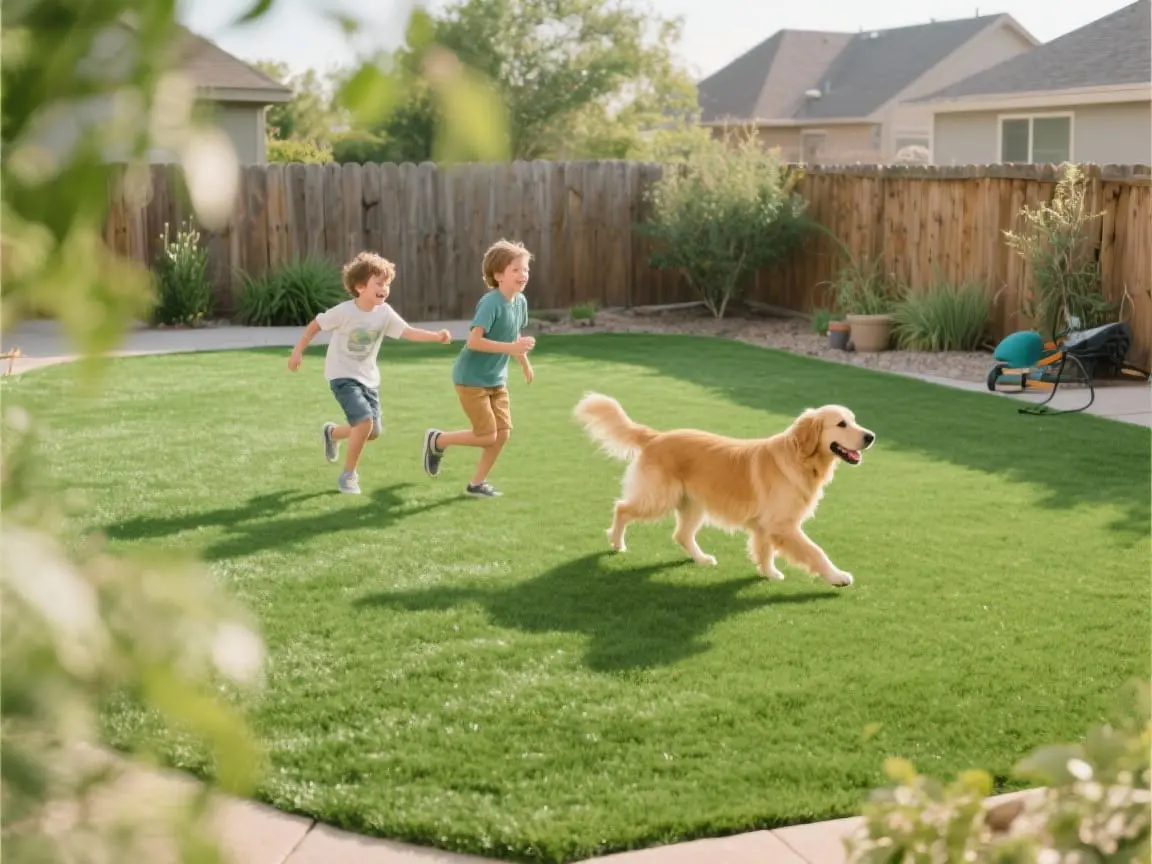
The final touch is a thorough power brooming. This specialized machine vigorously brushes the turf fibers, making them stand up perfectly and working the infill down into the base of the thatch. The result is a lush, pristine lawn that’s immediately ready for enjoyment.
Tackling Installation Challenges in the DFW Climate
A generic installation guide won’t cut it in Dallas-Fort Worth. Our process is specifically adapted for local conditions. The deep, compacted base directly counters the unstable clay soil. Our choice of infill is critical for managing surface temperatures during the 100°+ summer days. Furthermore, the drainage capacity we engineer into the base is designed to handle the sudden, intense thunderstorms common in North Texas, preventing pooling and mud.
The Bottom Line: A Flawless Lawn is in the Details
While a DIY turf installation is technically possible, achieving a professional result that can withstand the DFW climate requires specialized tools, knowledge, and materials. Each step, from the depth of the excavation to the type of infill used, makes a huge difference in the longevity and appearance of your lawn. Don’t risk a wrinkly, poorly-draining lawn. Let the pros handle it.