
Is Artificial Turf ADA Compliant in Texas? A Guide for DFW Properties
Yes, specific artificial turf systems are ADA compliant in Texas when installed correctly. To be considered an accessible surface, the turf must be firm, stable, and slip-resistant, meeting key standards like ASTM F1951 for wheelchair accessibility and mobility.
In this guide, we break down exactly how DFW businesses, schools, and HOAs can ensure their synthetic turf installation meets all critical ADA requirements.
Why ADA Compliance Matters for Your DFW Property
For any public or commercial space in Dallas-Fort Worth, accessibility isn’t just a good idea—it’s the law. An ADA-compliant surface ensures that everyone, including individuals using wheelchairs or other mobility aids, can safely access and enjoy the area. This is crucial for playgrounds, schoolyards, public parks, and HOA common areas to promote inclusivity and avoid potential legal liabilities. This focus on safety and durability is a core part of our Commercial & HOA Turf Solutions.
Key Requirements for ADA Compliant Turf
Not all artificial grass is created equal. To meet the strict guidelines set by the Americans with Disabilities Act, a synthetic turf system must be engineered from the ground up for accessibility.
Step 1: It Must Be Firm and Stable (ASTM F1951 Certified)
The most important standard is ASTM F1951, which measures the force required to propel a wheelchair across a surface. The turf system cannot be too soft or squishy, which would make movement difficult. This is achieved with a short pile height and a firm, compacted sub-base that provides a solid foundation.
Step 2: It Must Be Slip-Resistant
An accessible surface must be safe in all weather conditions. ADA-compliant turf features fibers and infill that provide adequate grip, even after a classic DFW thunderstorm. This prevents slips and falls, ensuring a safe environment for all users.
Step 3: It Requires Smooth Transitions
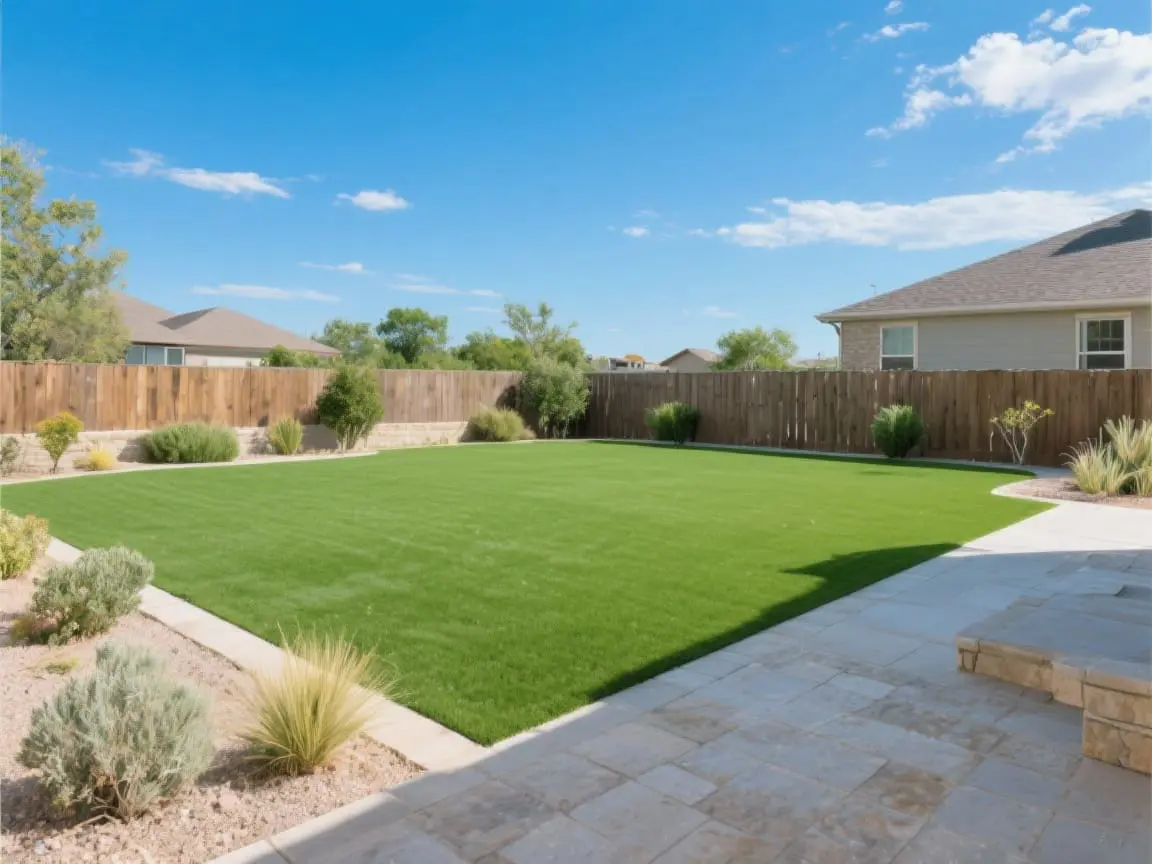
The turf area must be level with adjoining surfaces like sidewalks or concrete paths. Any changes in level cannot exceed 1/2 inch to prevent tripping hazards and allow for smooth wheelchair passage. Proper edging and sub-base preparation are critical to achieving this.
Step 4: It Needs a Professional Installation
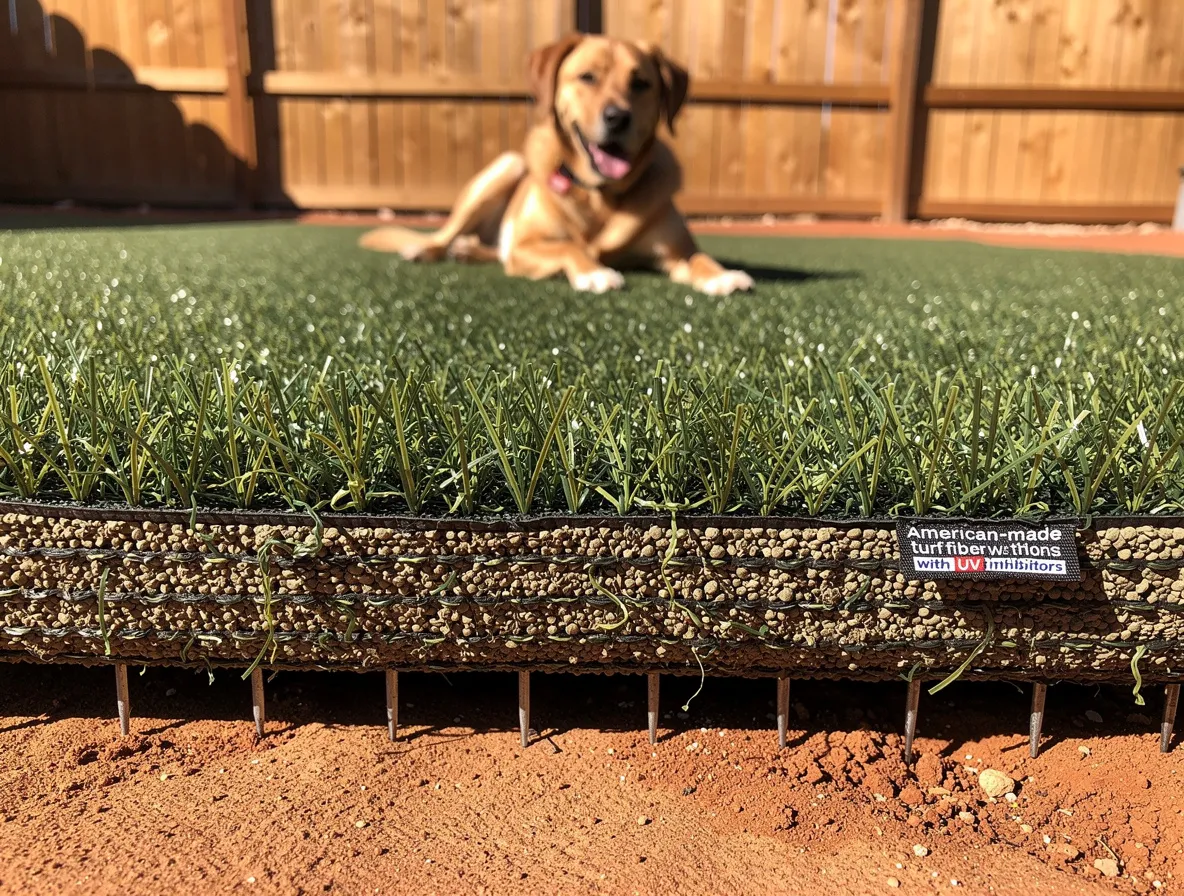
The turf product is only one part of the equation. ADA compliance hinges on the installation process. The ground must be properly excavated and graded, and the specialized sub-base must be perfectly compacted to create a firm, stable plane that will last for years.
Meeting ADA Standards in the DFW Climate
In North Texas, our “gumbo” clay soil can wreak havoc on surfaces. It expands when wet and shrinks and cracks in our 100°+ summers. An improper base beneath your turf will shift and settle, creating wrinkles and uneven spots that immediately violate ADA standards. We combat this by engineering a deeper, more robust aggregate base that stabilizes the ground, ensuring your surface remains firm and compliant long-term. Our commercial-grade turf is also built to withstand intense UV rays without becoming brittle or matted down, maintaining its accessible properties year after year.
The Bottom Line on Accessible Turf
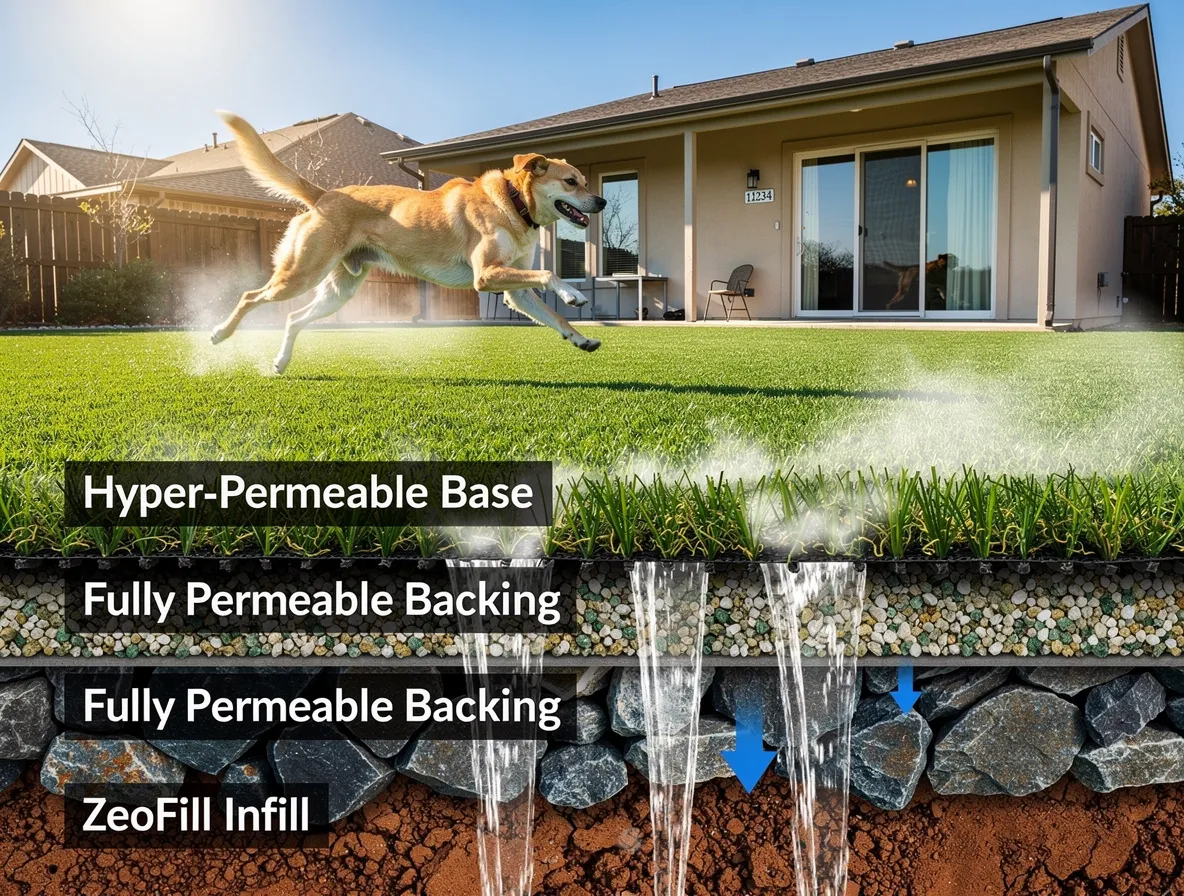
Achieving a truly ADA-compliant artificial turf surface is a technical process that requires specific products and expert installation. It’s about creating a complete system—from the drainage and base layer to the turf and infill—that guarantees safety and accessibility for everyone.
Don’t risk non-compliance. Let the pros design a safe, durable, and fully accessible turf surface for your property.