What Is the Best Base for Artificial Turf in Texas?
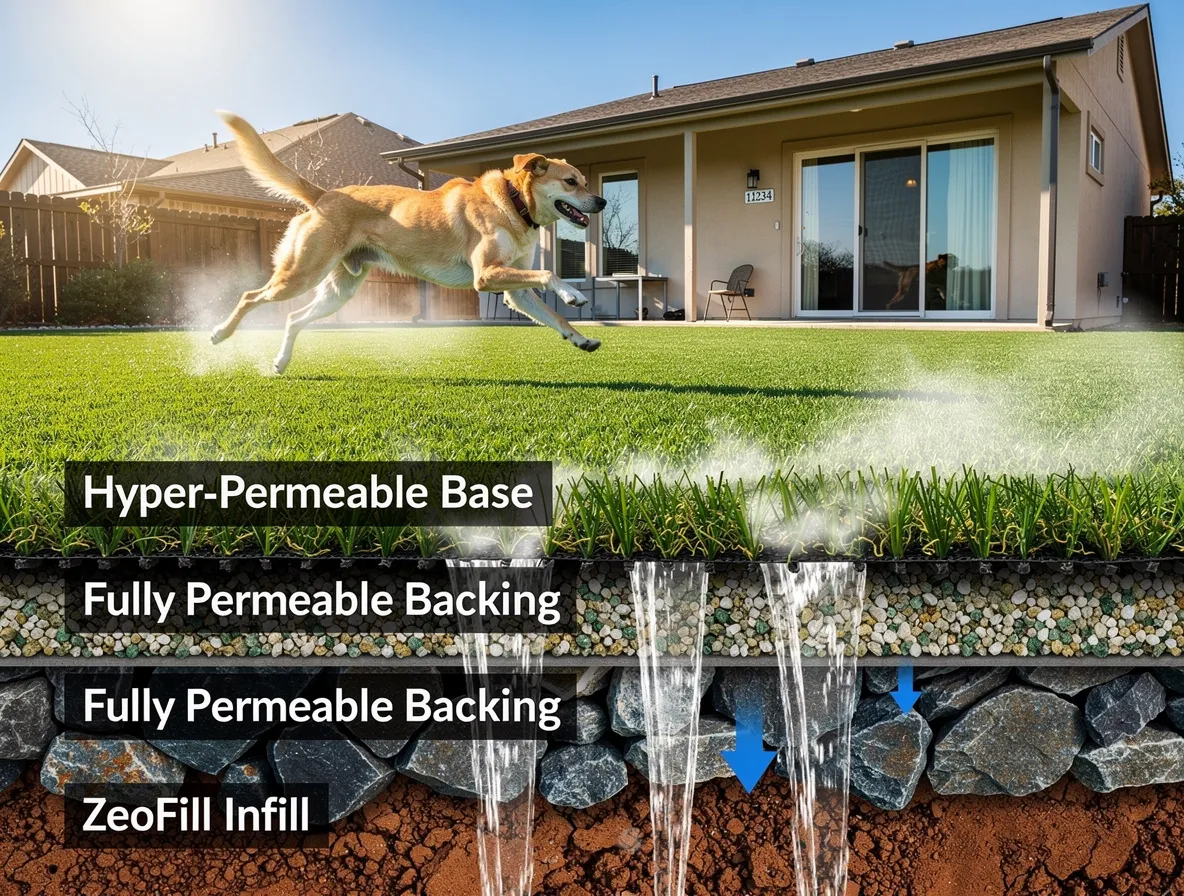
The best base material for artificial turf in Texas is a 3-to-4-inch layer of compacted Class II Road Base or a similar crushed rock aggregate. This specific foundation provides the critical drainage and stability needed to prevent shifting and wrinkling on our challenging local soil.
In this guide, we break down exactly why the sub-base is the most important part of any synthetic grass project for DFW homeowners.
Why Your Turf’s Foundation Matters in DFW
In North Texas, we don’t have forgiving soil. We have “Black Gumbo” clay—a dense, reactive soil that expands dramatically when it’s wet and shrinks, cracks, and becomes hard as concrete during our summer droughts. Laying turf directly on top of this soil is a recipe for disaster. A proper turf installation foundation is non-negotiable.
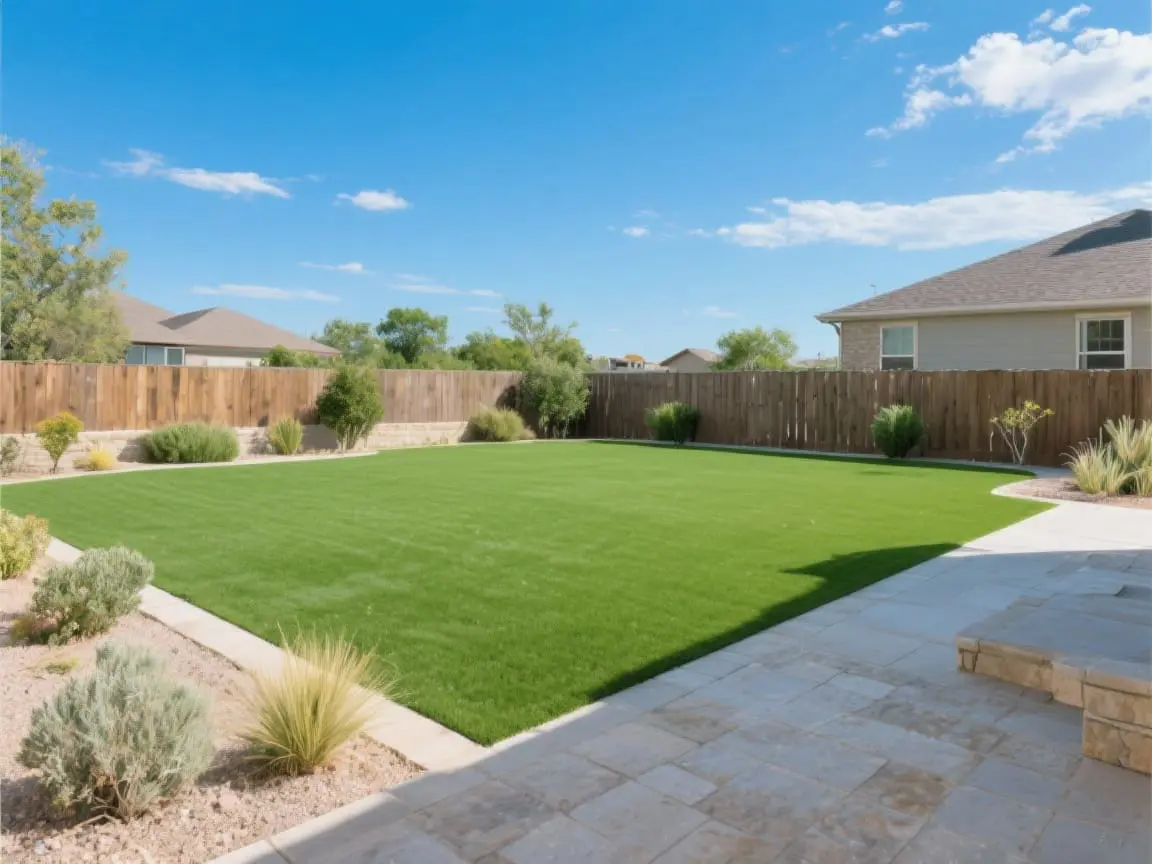
Without a correctly installed aggregate base, your beautiful new lawn will quickly develop wrinkles, low spots that hold water, and uneven seams. This is why many DFW homeowners who want a permanent, beautiful solution switch to our professionally installed residential turf systems.
Step-by-Step: The Right Base Installation Process
Building a durable artificial turf base requires more than just dumping some rocks. It’s an engineered system designed to last for decades.
Step 1: Proper Excavation
We begin by excavating 4-5 inches of the native clay soil. This depth is essential to create enough room for a robust base that can effectively manage water drainage and provide a stable footing that won’t be affected by the shifting soil underneath.
Step 2: Installing the Aggregate Base
The best sub-base for Texas turf drainage is a crushed aggregate like Class II Road Base. This material is a precise mixture of crushed rock and smaller particles (“fines”) that, when compacted, lock together to form a solid, porous foundation. We spread this material evenly across the excavated area.
Step 3: Compaction is Key
This is where many DIY projects fail. We use a heavy plate compactor to vibrate and compress the base material until it is at least 95% compacted. Proper base layer compaction ensures the foundation is perfectly level and will not settle or shift over time, creating a smooth surface for the turf.
Dealing with Turf Base Requirements in the DFW Climate
The extreme North Texas climate makes a professional base installation even more critical. In cooler, milder climates, a simpler sand base might suffice, but not here. The 100°+ summer heat can bake and shift a weak foundation, while our torrential spring downpours can turn a poorly draining lawn into a swamp.
Our permeable base material for synthetic turf is specifically designed to handle these extremes. It allows thousands of gallons of water to drain through rapidly, preventing mud and standing water, while its compacted structure remains stable through the hottest, driest months.
The Bottom Line: Your Lawn is Only as Good as Its Base
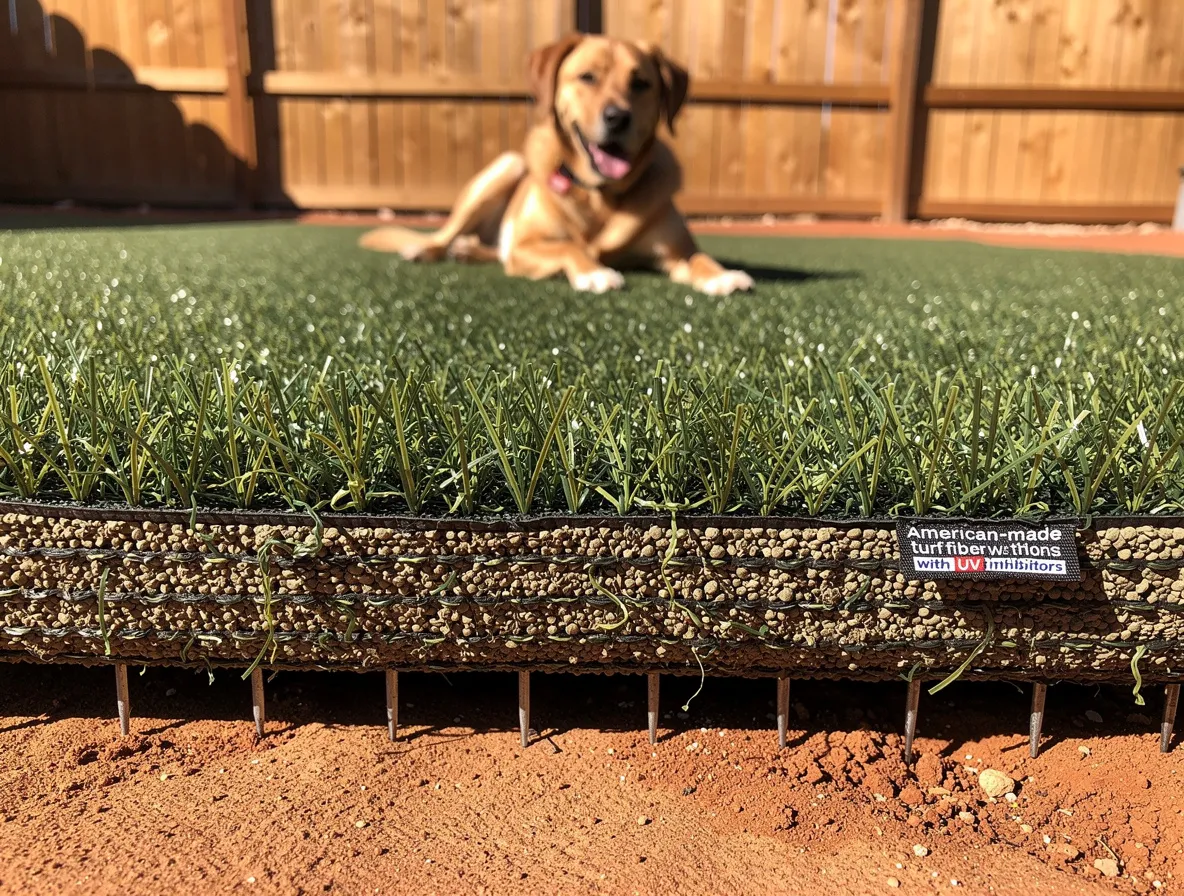
While the look and feel of the turf fibers are important, the unseen work underneath is what guarantees your investment will last. A professionally engineered and compacted sub-base is the key to a synthetic lawn that looks and performs perfectly year-round in the demanding DFW environment.
Don’t want to deal with the hassle of excavation and compaction? Let the pros handle it.