How Do You Clean Pet Urine and Waste from Artificial Turf in Texas?
The best way to clean pet turf is by promptly removing solid waste, rinsing liquid waste with a hose, and regularly applying a pet-safe, non-toxic enzymatic turf cleaner. For the intense Texas heat, using a specialized infill like Zeolite is critical for neutralizing ammonia odors before they start. In this guide, we break down exactly how DFW homeowners can keep their pet turf sanitary and smelling fresh year-round.
Why Regular Cleaning is Crucial for Texas Pet Turf
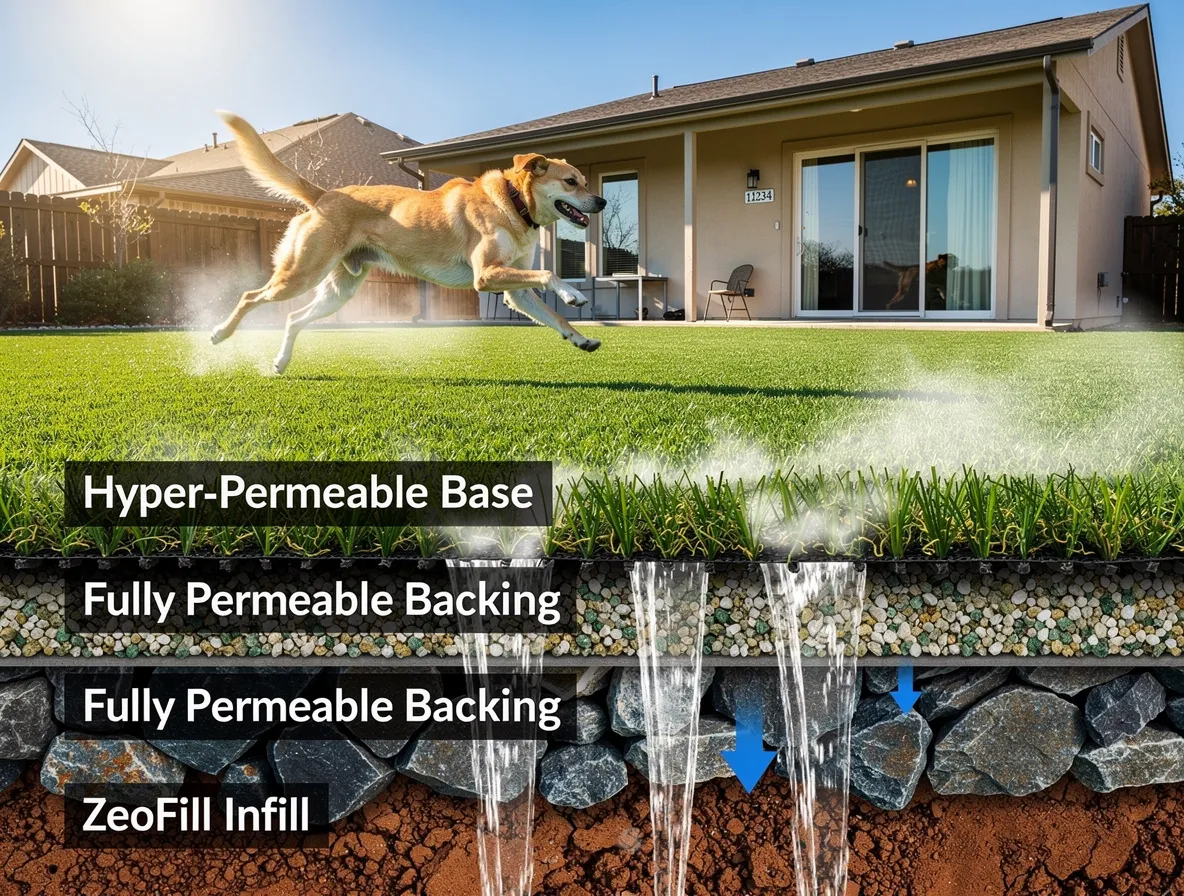
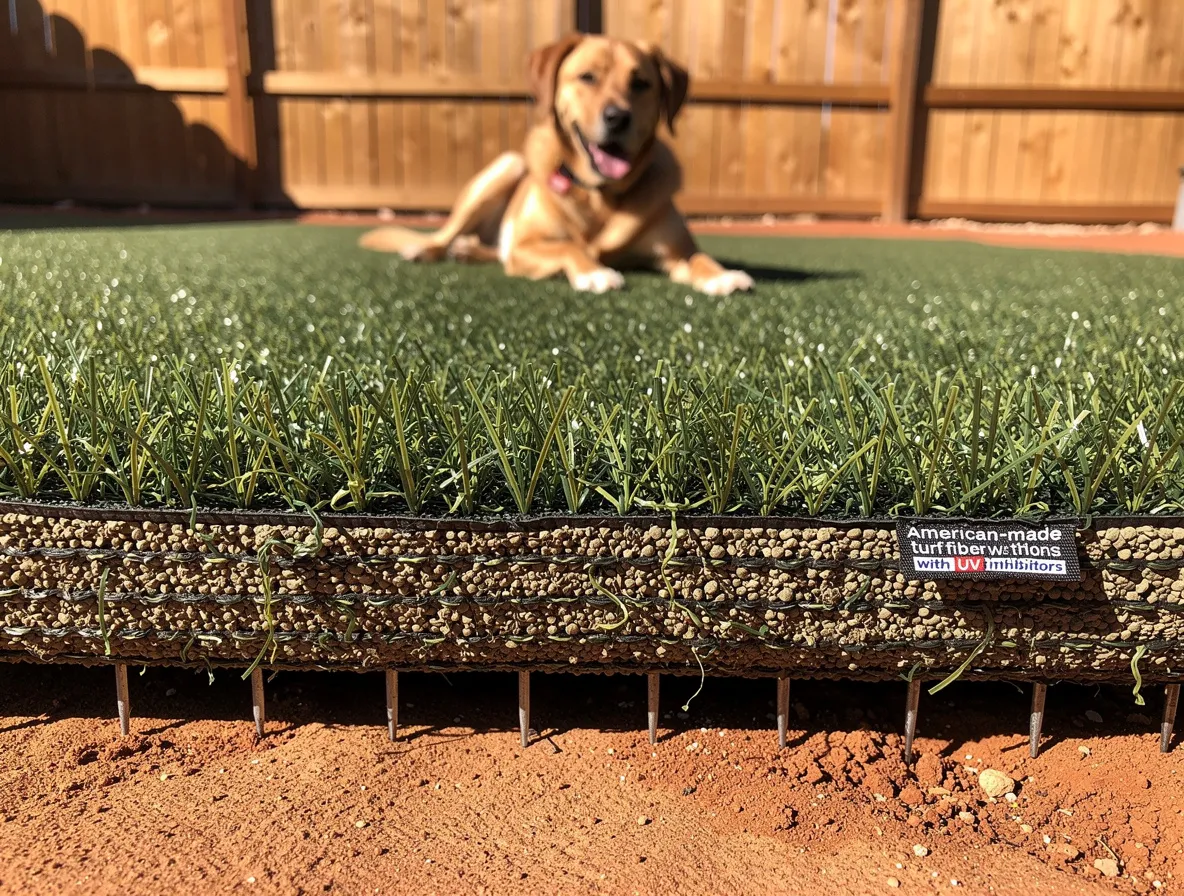
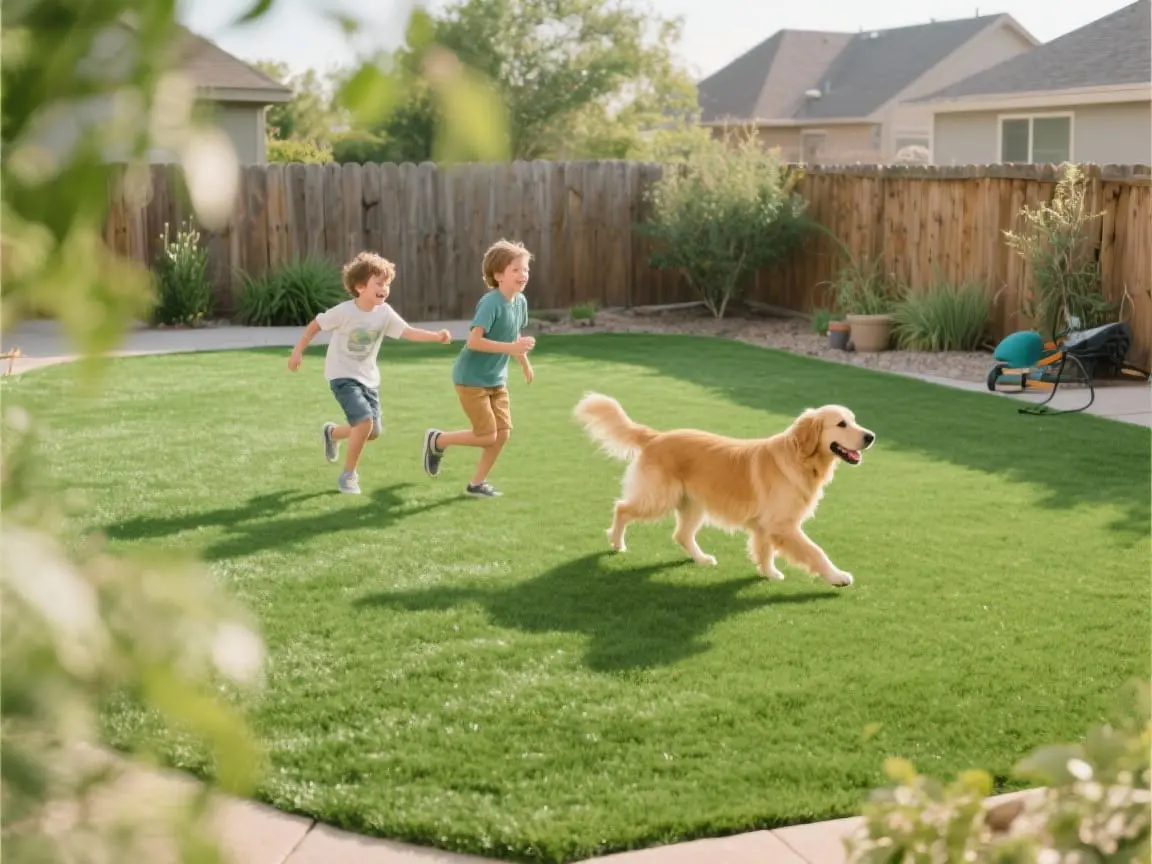
In North Texas, we don’t just get sun; we get a relentless, baking heat. When pet urine sits on artificial turf, the DFW sun can bake the uric acid crystals into the turf blades and backing. This amplifies the ammonia smell, turning your beautiful backyard into an unpleasant space. Unlike natural soil that absorbs and breaks down waste, synthetic turf requires a proactive cleaning approach to stay fresh for your family and pets. This is why having a professionally installed system is key. Many homeowners switch to our specialized Pet Turf & K9 Systems which are designed with rapid drainage and antimicrobial materials from the start.
A Step-by-Step Guide to Cleaning Your DFW Pet Turf
Maintaining a clean pet-friendly lawn is simple with a consistent routine. Follow these steps to prevent odor buildup and keep your turf looking its best.
Step 1: Remove Solid Waste Promptly
Just as you would with a natural lawn, pick up solid waste as soon as possible using a pooper scooper or doggy bag. Allowing it to sit, especially in the heat, makes cleanup more difficult and can lead to bacteria growth.
Step 2: Rinse Liquid Waste Thoroughly
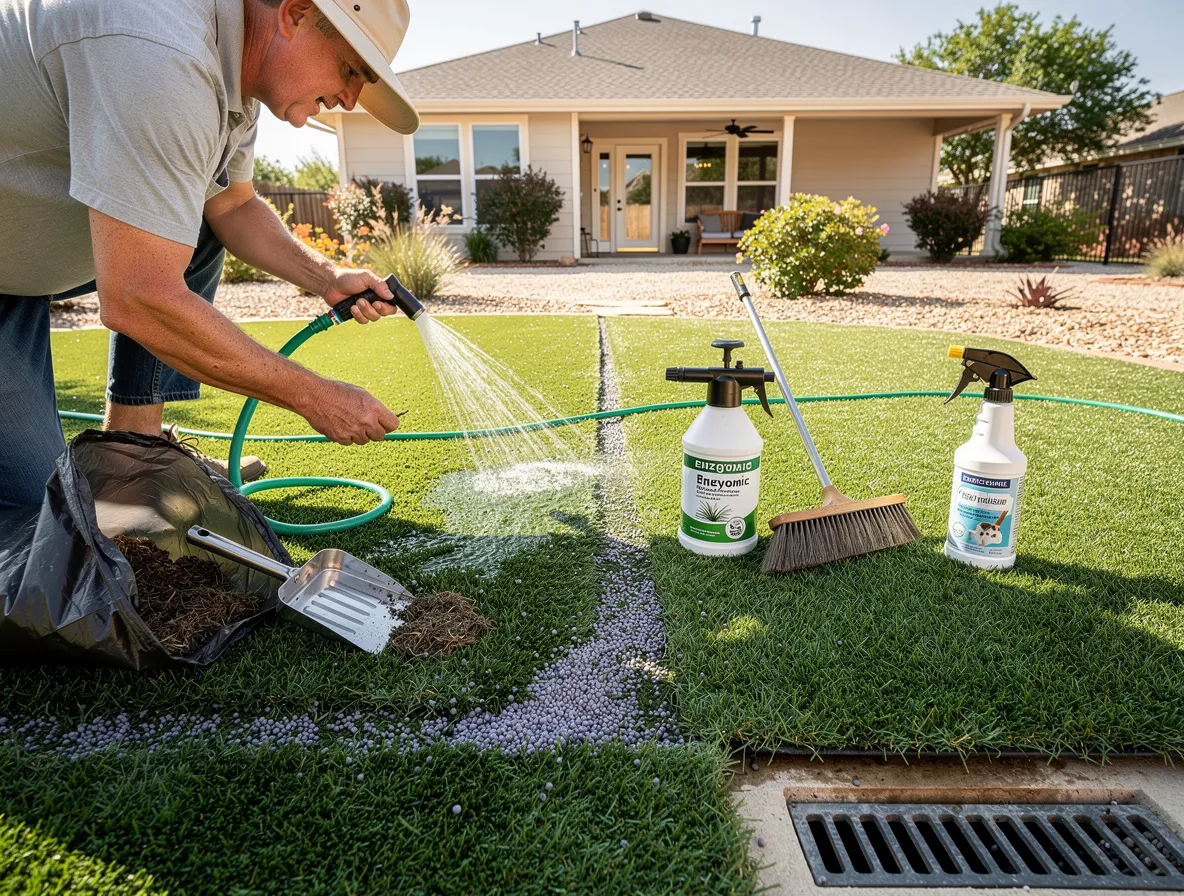
This is the most important daily or every-other-day task. After your dog urinates, give the spot a quick but thorough rinse with a garden hose. This dilutes the urine and washes it through the turf’s drainage system, preventing the concentration of odor-causing uric acid.
Step 3: Apply an Enzymatic Turf Cleaner
For a deeper clean, especially for lingering odors, use an enzymatic cleaner specifically designed for artificial turf. These products use beneficial bacteria to break down and consume the odor-causing particles in pet urine. Mix according to the directions and apply with a pump sprayer, then rinse after the recommended time.
Step 4: Cross-Brush the Turf Fibers Occasionally
After cleaning and rinsing, use a stiff, synthetic-bristle broom (never metal) to brush the turf fibers. Brushing against the grain helps the blades stand up, maintaining that fresh, fluffy look and feel. This also helps dislodge any trapped hair or debris.
Battling Pet Odors in the DFW Summer Heat
The 100°+ summer days in Dallas-Fort Worth present a unique challenge. In cooler climates, a simple rinse might be enough, but here, the heat requires a better strategy. The sun’s intensity accelerates the chemical reaction that creates ammonia odor from urine. Furthermore, our heavy clay soil base means that a properly installed drainage system is non-negotiable. Without it, urine and cleaning solutions can’t wash away effectively, leading to a smelly, soggy mess underneath your turf. Our installations account for DFW’s “gumbo” soil to ensure flawless drainage from day one.
The Bottom Line on Pet Turf Maintenance
A pristine, odor-free artificial lawn for your pets is achievable even in the demanding Texas climate. By establishing a simple routine of removing waste, rinsing frequently, and using the right cleaning products, you can ensure your investment remains a source of pride and enjoyment. Don’t want to deal with the hassle of deep cleaning and deodorizing? Our professional turf maintenance services can handle it for you.