Understanding HOA Rules for Artificial Turf in DFW
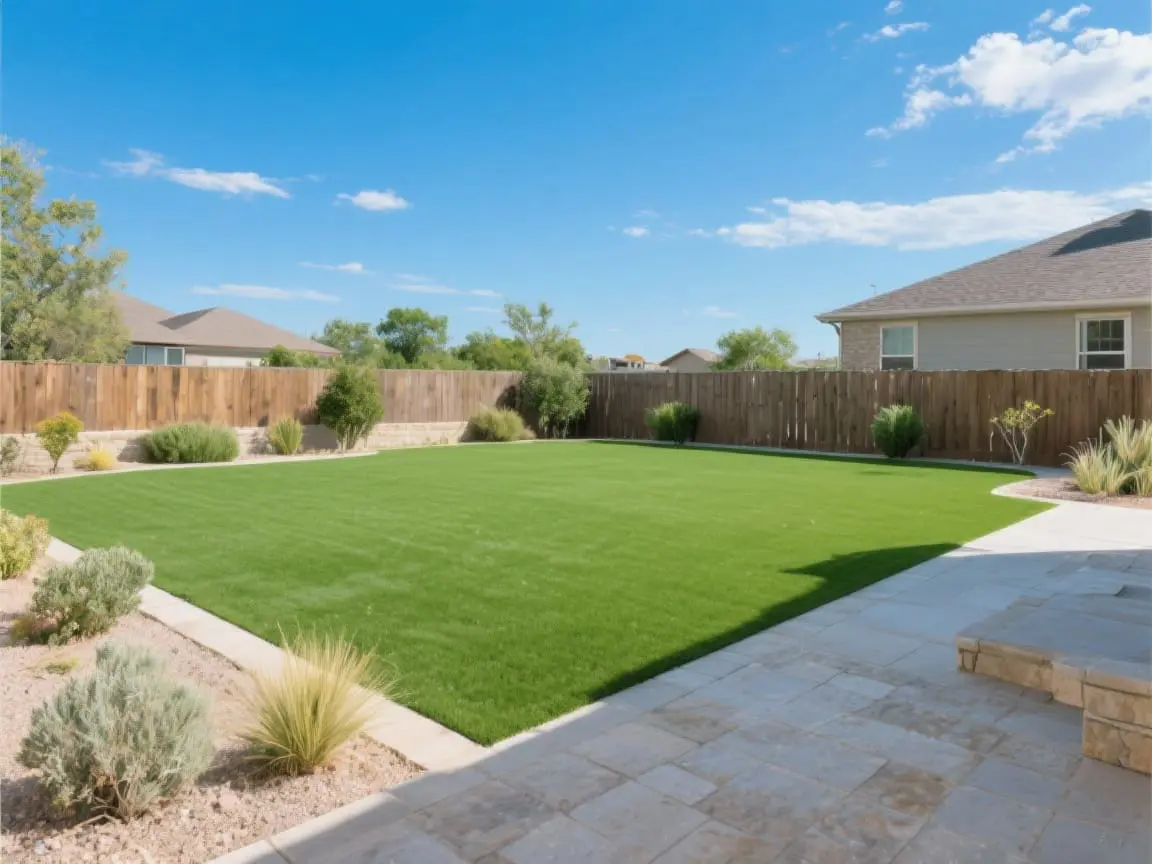
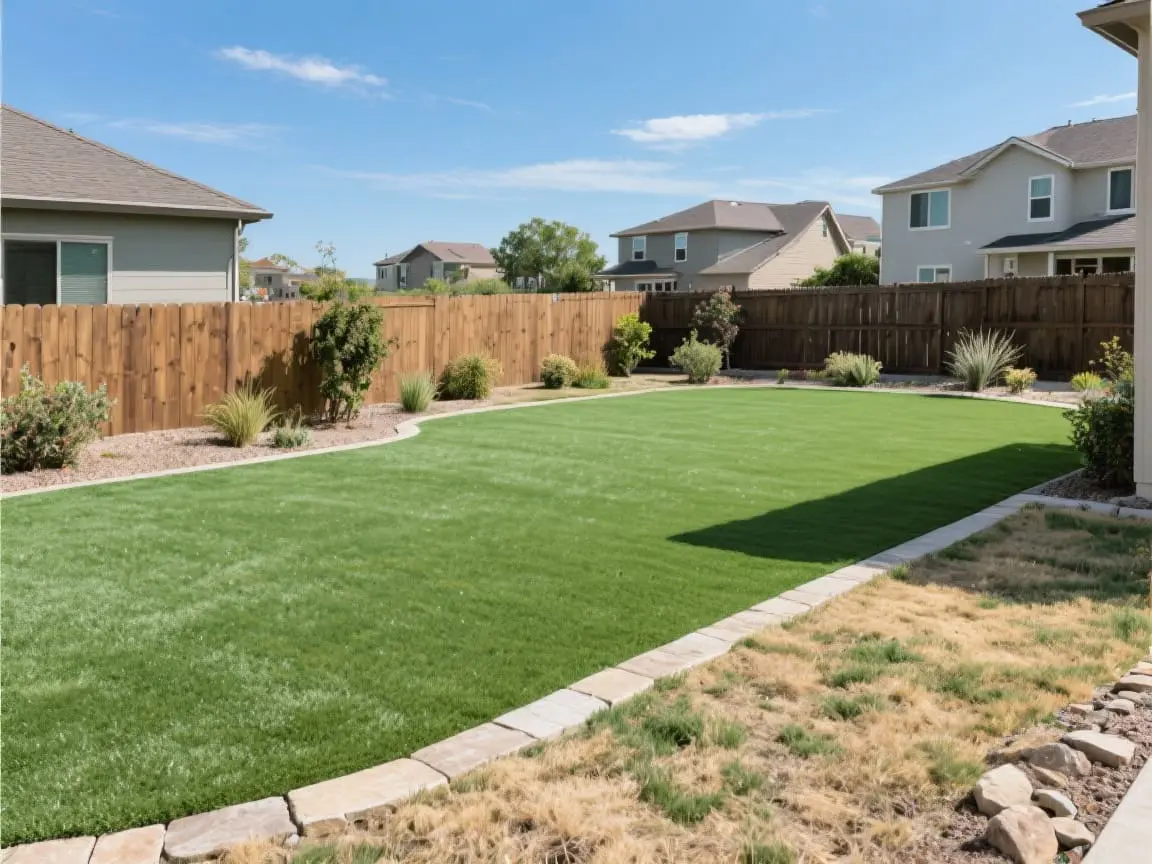
Yes, you can install artificial turf in most Texas HOAs, thanks to a state law promoting water-wise landscaping. However, your Homeowners Association can—and will—have specific rules regarding the quality, appearance, and installation method to ensure it meets community standards.
In this guide, we break down exactly how DFW homeowners can navigate the HOA approval process for synthetic grass and avoid any violations.
Why Texas HOAs are Embracing Synthetic Turf
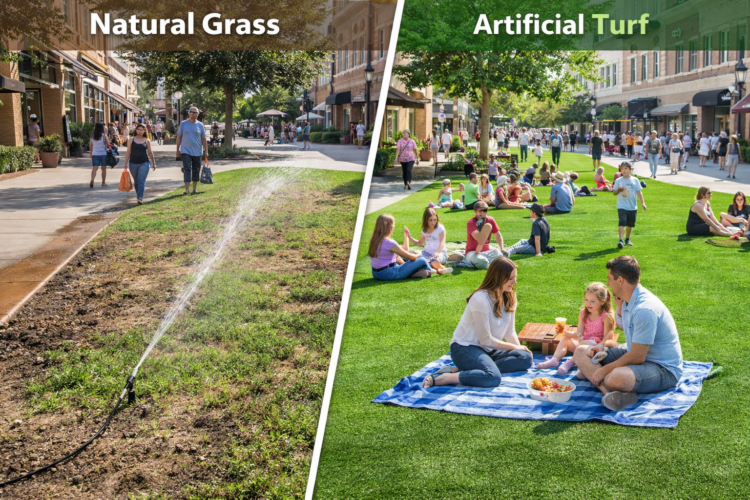
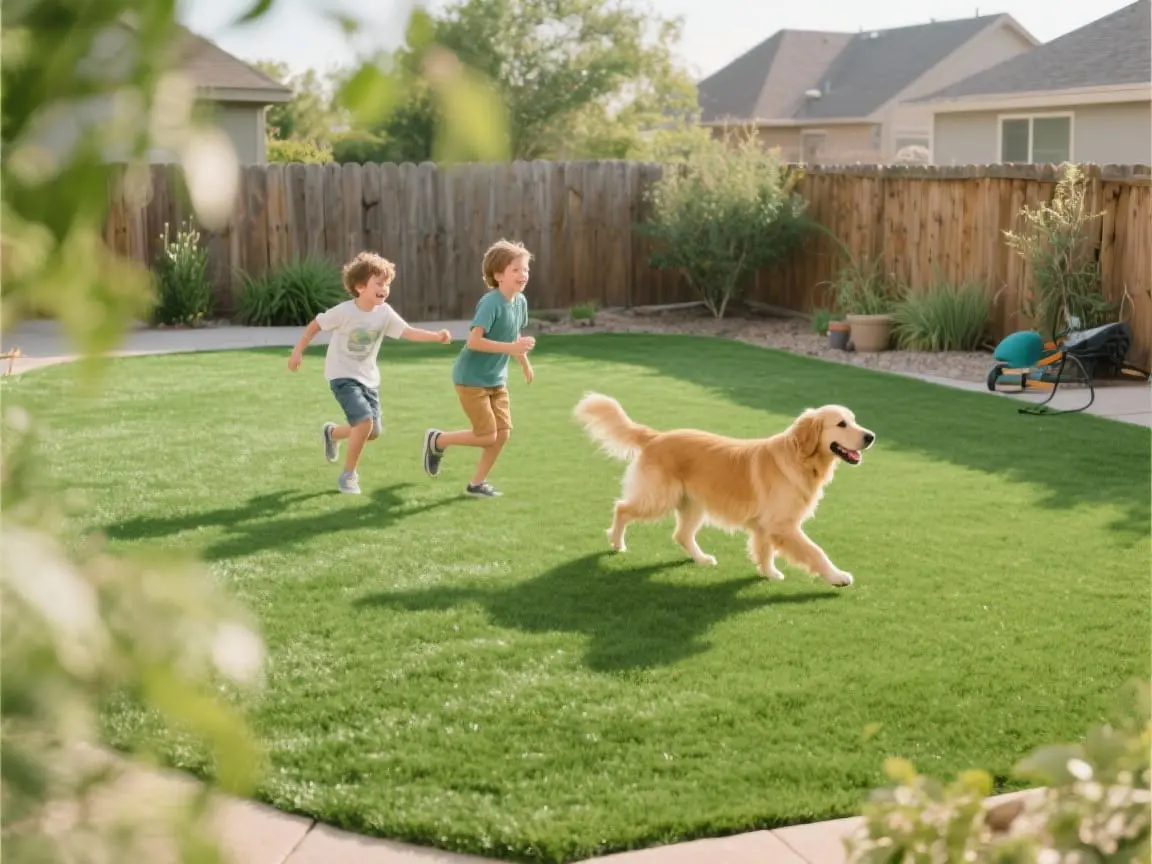
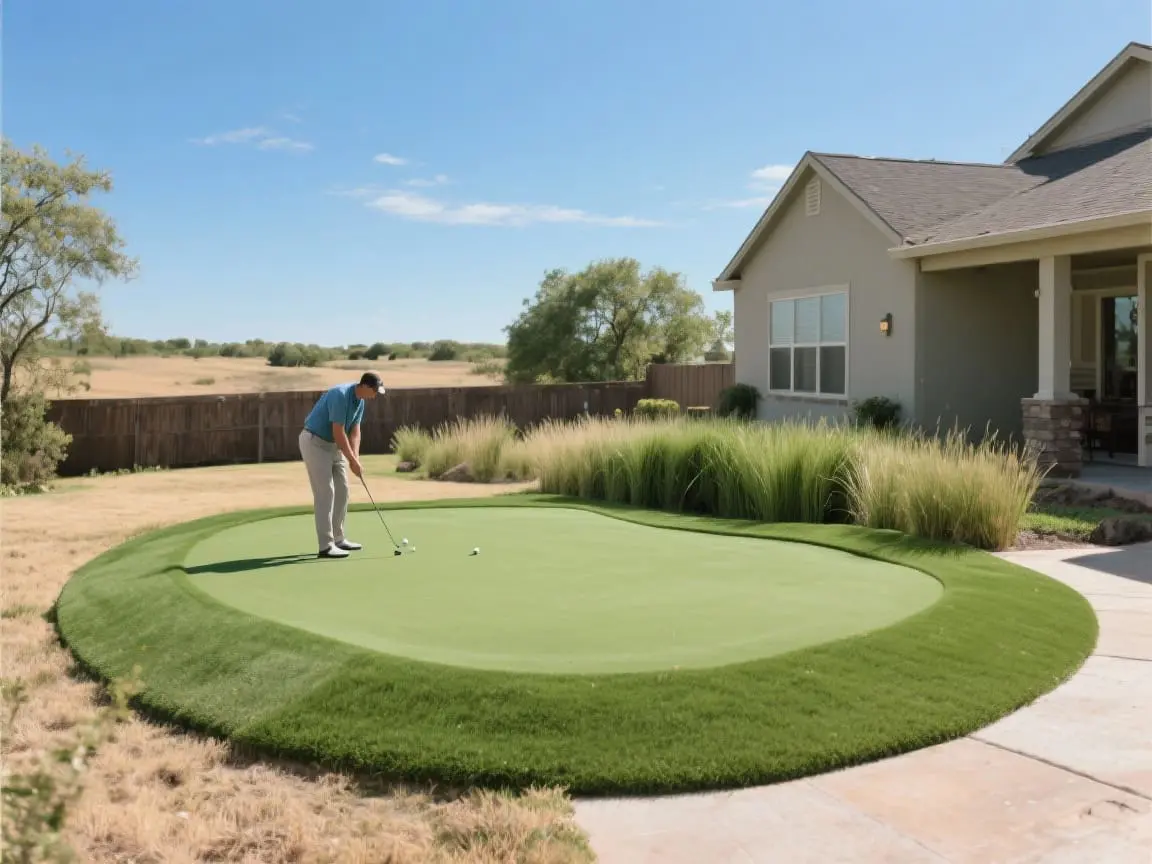
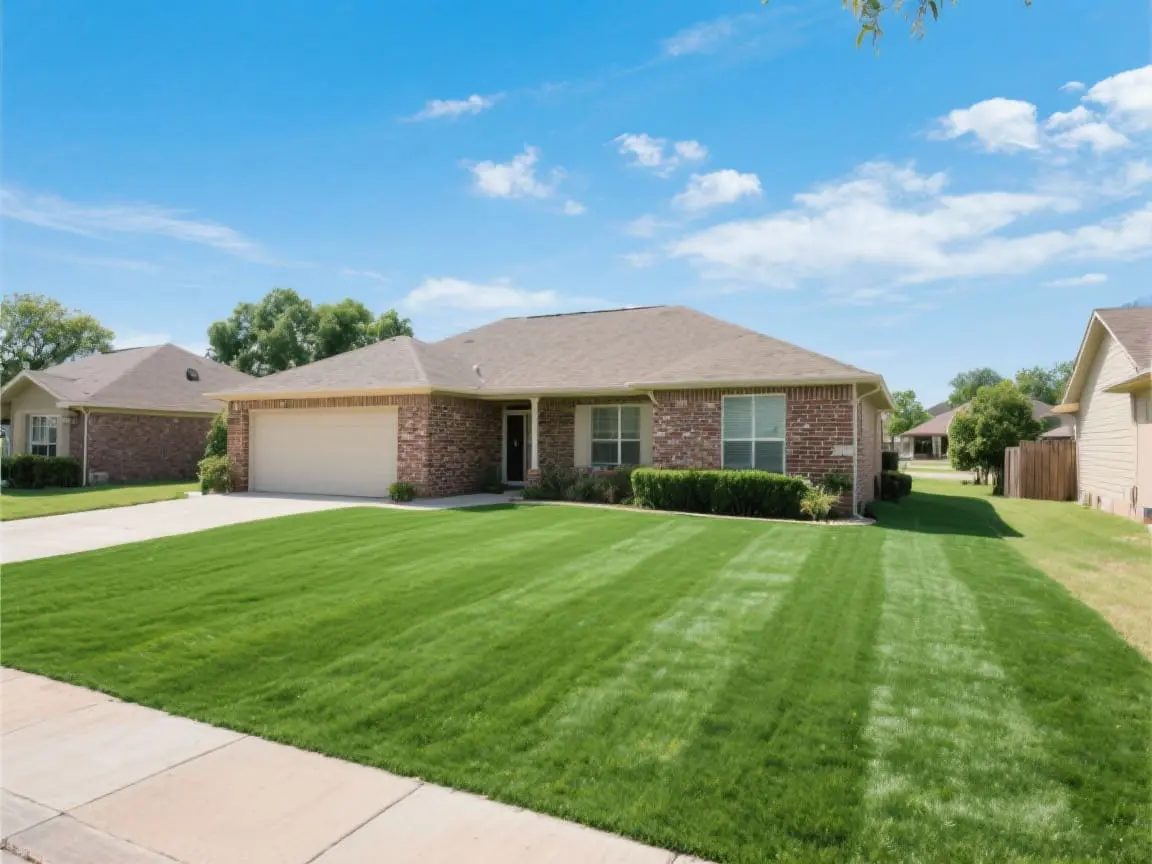
Keeping a natural lawn green in North Texas is a constant, expensive battle. Between blistering 100-degree summers, city-wide water restrictions, and our infamous “black gumbo” clay soil, homeowners are fighting a losing war. This is why many DFW communities are updating their guidelines. An expertly installed artificial lawn provides a permanent, lush green solution that reduces community-wide water usage and eliminates the eyesore of brown, patchy grass during droughts. It’s a win for the homeowner and a win for maintaining property values. For community-wide solutions, we often work directly with boards on our Commercial & HOA Turf projects.
A Homeowner’s Guide to Getting Turf Approved
While state law protects your right to install drought-resistant landscaping, you still have to follow your HOA’s established process. Here are the most common requirements you’ll encounter.
Step 1: Review Your Architectural Guidelines
Before you get a quote, find the section in your HOA’s covenants or bylaws related to landscaping or architectural changes. Look for specific language about “synthetic turf,” “artificial grass,” or “impermeable surfaces.” This document will outline the rules you need to follow.
Step 2: Submit a Formal Application
Nearly all HOAs require you to submit an application to the Architectural Review Committee (ARC). This package typically needs to include:
- A plot plan or drawing showing the exact location of the turf installation.
- A product sample of the turf you plan to install.
- Specifications from your installer detailing the materials used and the installation process.
Step 3: Meet Quality & Appearance Standards
This is the most critical part for the HOA. They want to prevent cheap, shiny, plastic-looking turf. Common rules include:
- Color: The turf must look like natural grass, usually requiring multiple blade colors (e.g., field green and olive green with a brown thatch layer).
- Pile Height: Most HOAs require a pile height between 1.5″ and 2.5″ to look realistic.
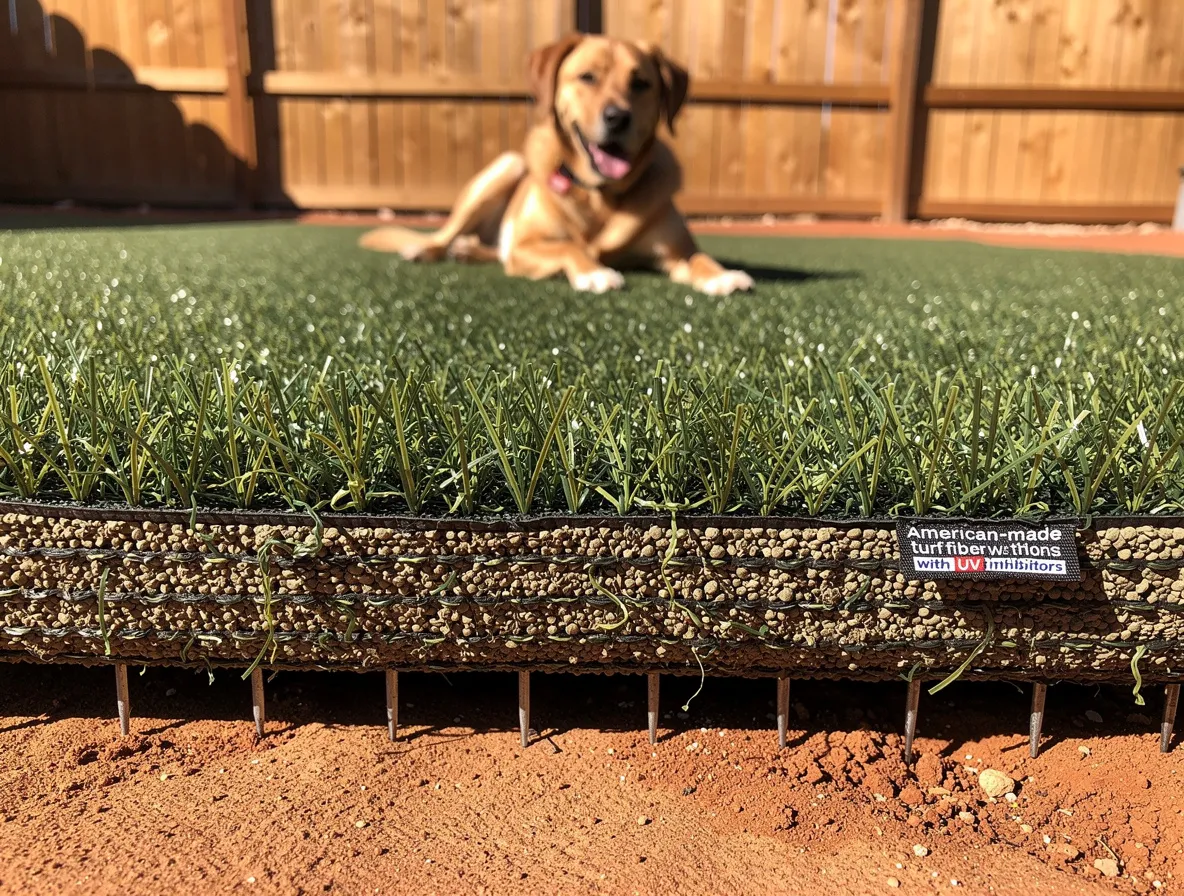
- Infill: Many HOAs now require specific infill types and prohibit certain materials like crumb rubber in front yards.
Step 4: Ensure Professional Installation
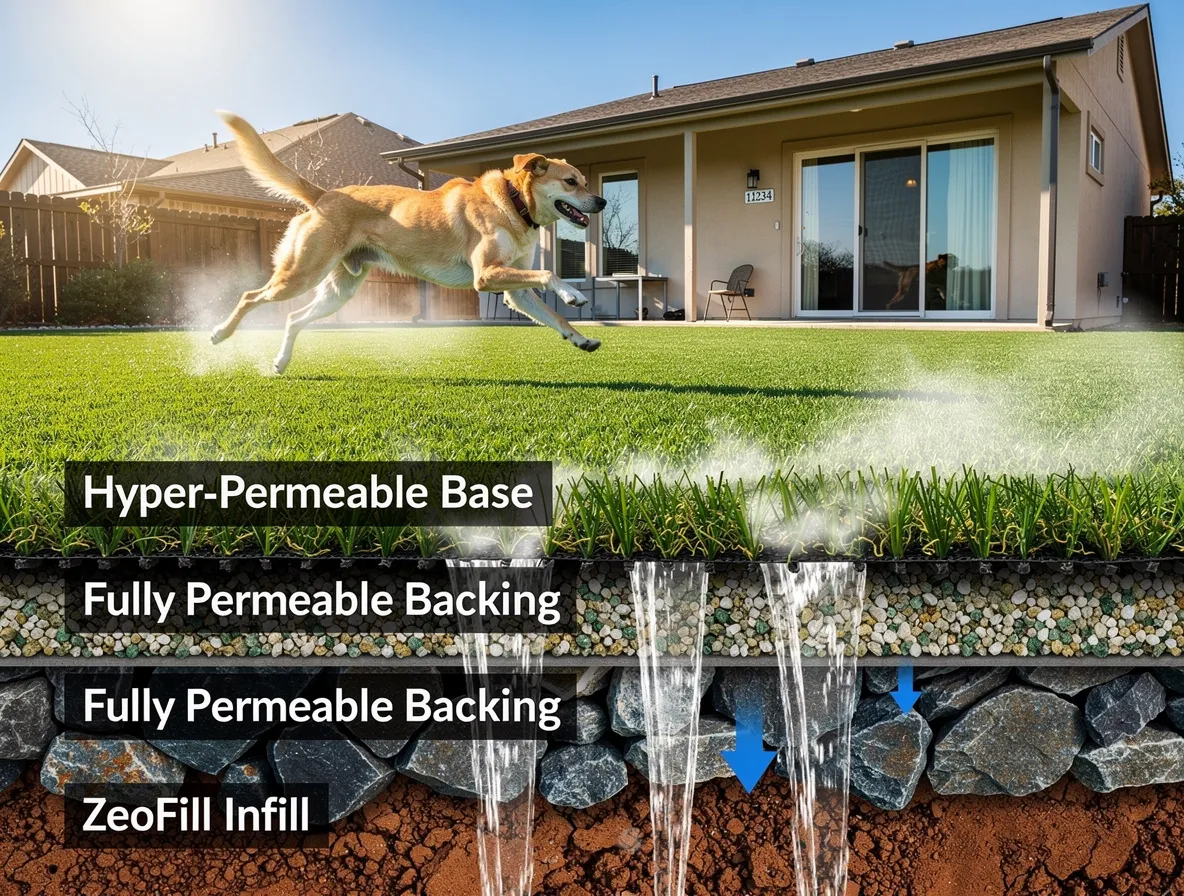
Your HOA will want assurance that the turf is installed correctly to prevent issues with drainage, weeds, and visible seams. They will look for a plan that includes a proper sub-base for drainage, securely fastened edges, and seams that are virtually invisible.
Navigating Turf Guidelines in the DFW Climate
In North Texas, a proper installation is even more critical, and your HOA knows it. Unlike in cooler climates, a poorly installed base here will turn into a disaster. The “gumbo” clay soil expands and contracts dramatically, which can cause cheap turf installations to wrinkle and buckle. A professional company like All American Turf excavates properly and installs a robust aggregate base that provides stability and ensures rapid drainage during our intense thunderstorms, preventing your yard from becoming a flooded mess.
The Bottom Line: Get it Approved the First Time
Don’t let the HOA process intimidate you. Most DFW associations are very receptive to high-quality artificial turf because it solves major landscaping problems for our region. The key is to work with an experienced installer who knows how to put together a professional proposal that will breeze through the approval committee.
Don’t want to deal with the paperwork and submission process? Let the pros handle it.