Can You Install Artificial Turf Directly on Soil?
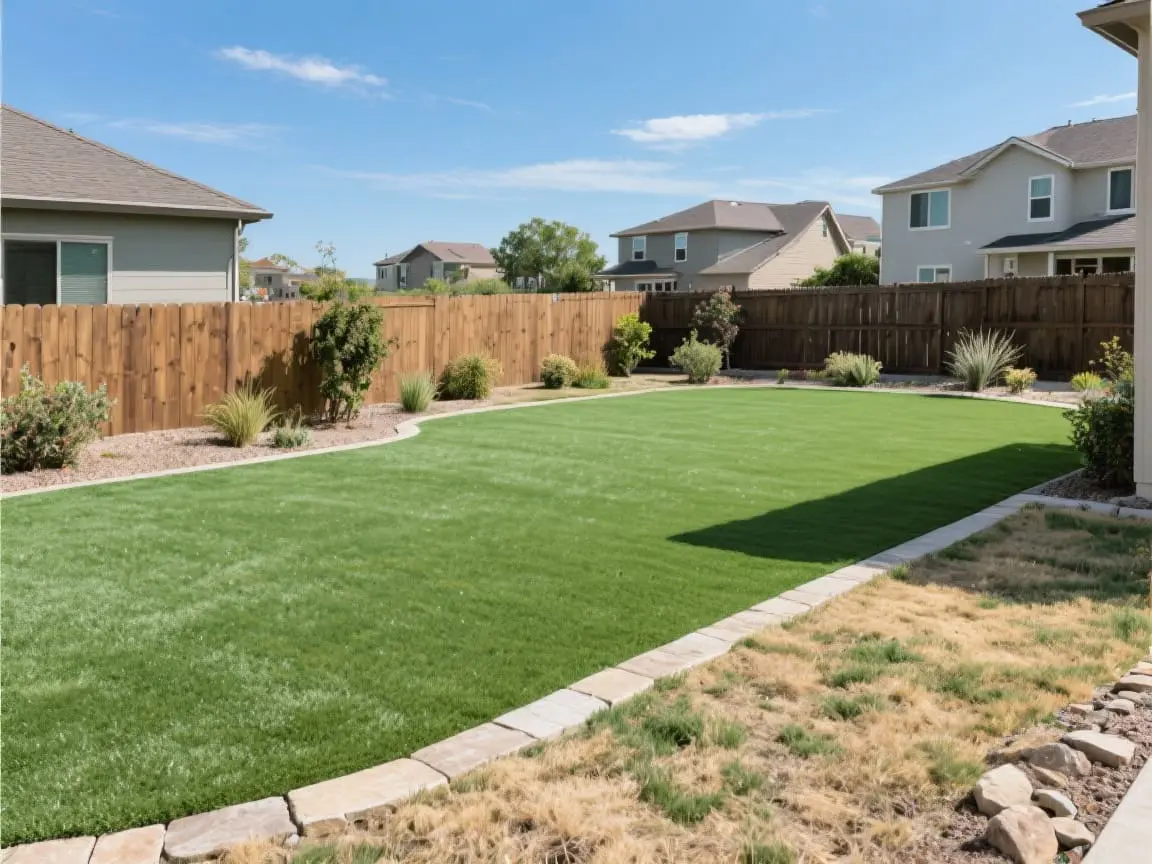
The short answer is no, you cannot properly install artificial turf directly on soil, especially in DFW. A successful, long-lasting installation requires excavating the soil and installing a compacted aggregate sub-base. This base is critical for drainage, stability, and preventing weeds.
In this guide, we break down exactly how our DFW turf installation experts prepare the ground to ensure your new lawn looks perfect for years to come.
Why Proper Soil Prep is Non-Negotiable in North Texas
The biggest mistake a homeowner can make is trying to cut corners on the foundation. In Dallas-Fort Worth, our native “Black Gumbo” clay soil is the enemy of a smooth, level lawn. This soil expands dramatically when wet and shrinks and cracks during our summer droughts. Laying turf directly on top of it will result in a lumpy, uneven surface that shifts over time and fails to drain properly. This is why a professional installation for our Residential Lawns focuses more on what’s underneath the turf than the turf itself.
A Step-by-Step Guide to DFW Turf Base Preparation
Preparing the ground for artificial turf is a multi-step process that ensures durability and proper function. Skipping any of these steps will compromise the entire project.
Step 1: Excavation and Grading
First, we remove the existing grass, weeds, and a top layer of native soil, typically 3-4 inches deep. We then grade the area to ensure there is a slight, consistent slope away from your home’s foundation. This is the first and most critical step for ensuring proper water drainage.
Step 2: Installing the Sub-Base
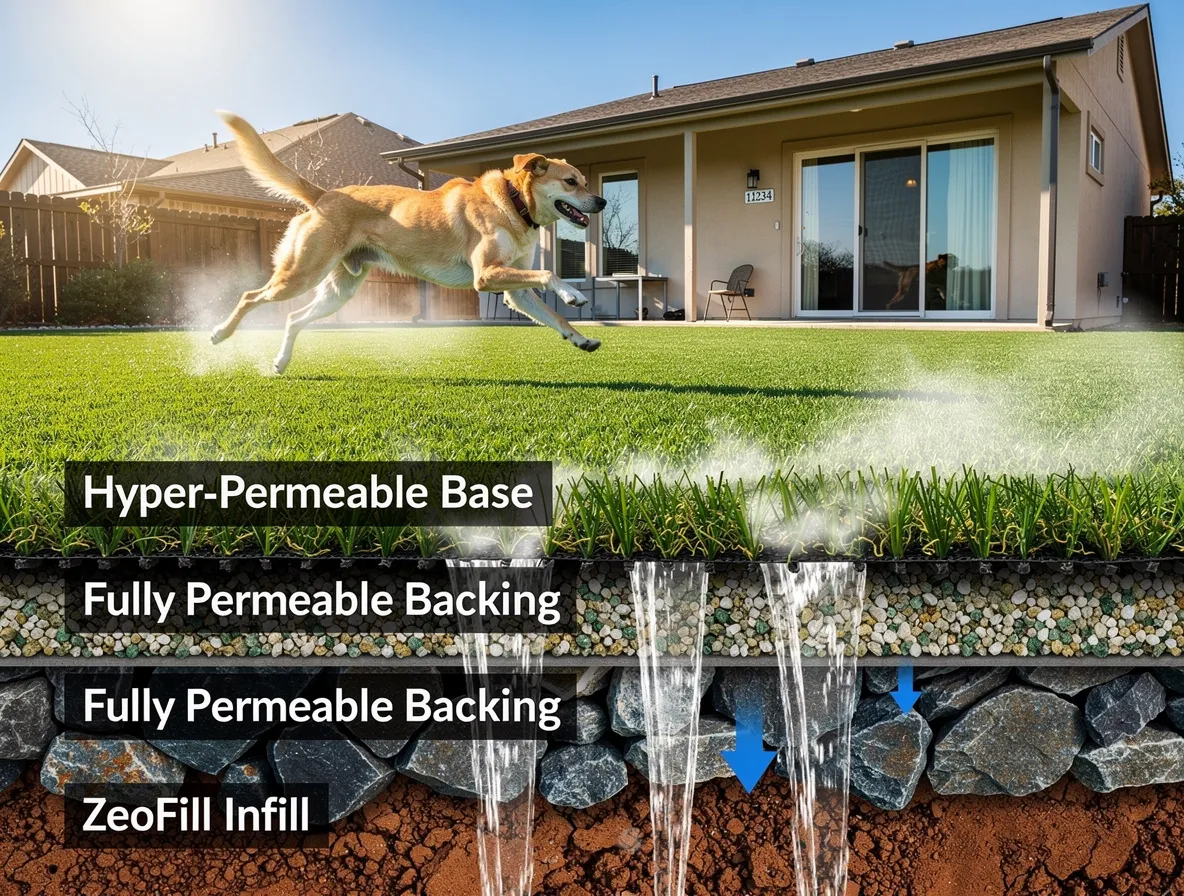
We install a specialized mix of crushed rock or decomposed granite. This aggregate material allows water to pass through freely while providing a stable foundation that won’t shift like clay soil. The type and depth of the base are customized based on your specific soil conditions and intended use (e.g., a pet area may require a different build-up than a putting green).
Step 3: Compaction and Leveling
Using a professional plate compactor, we compact the aggregate base until it is firm and stable. This prevents future sinking or depressions in your lawn. We meticulously level the surface to create a perfectly smooth plane for the turf to lie on, eliminating any lumps or bumps.
Step 4: Adding the Weed Barrier
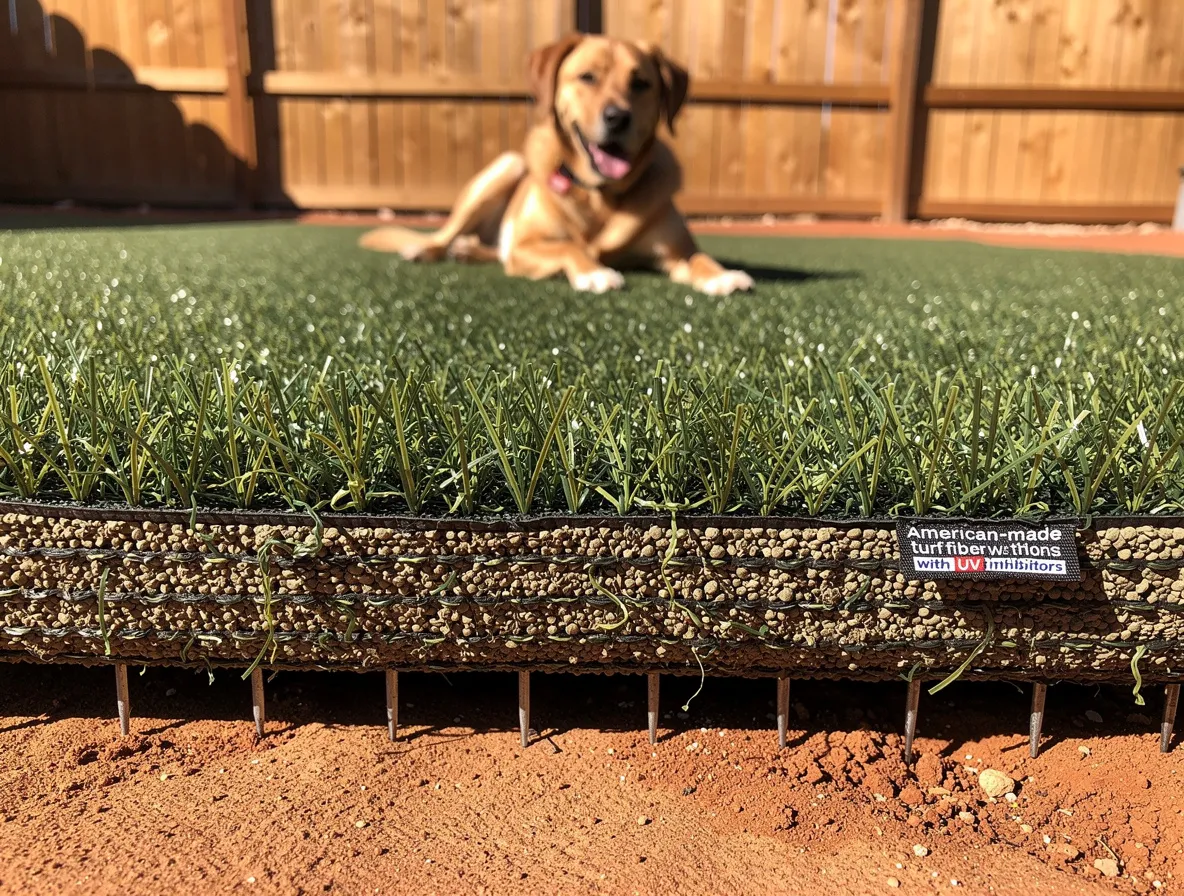
A high-quality, permeable weed barrier fabric is laid over the compacted base. This final layer prevents pesky weeds and grass from growing up through the turf’s drainage holes while still allowing water to pass through to the sub-base below.
Dealing with Turf Installation in the DFW Climate
Generic online guides often fail to account for the unique challenges of the North Texas environment. Here in DFW, the 100°+ summer heat can bake the ground solid, while torrential spring storms can turn a poorly prepared yard into a swamp. Our artificial grass sub-base requirements are stricter because our Texas clay soil has almost zero vertical drainage. The aggregate base we build essentially creates a French drain system underneath your entire lawn, channeling water away efficiently and keeping your yard mud-free year-round.
The Bottom Line: The Foundation is Everything
While it may seem like an extra step, preparing the ground correctly is the single most important factor in a successful artificial turf installation. It’s the difference between a beautiful lawn that lasts for 15+ years and a lumpy, weed-filled mess that fails in two. Don’t want to deal with the hassle of excavation and ground prep? Let the pros handle it.