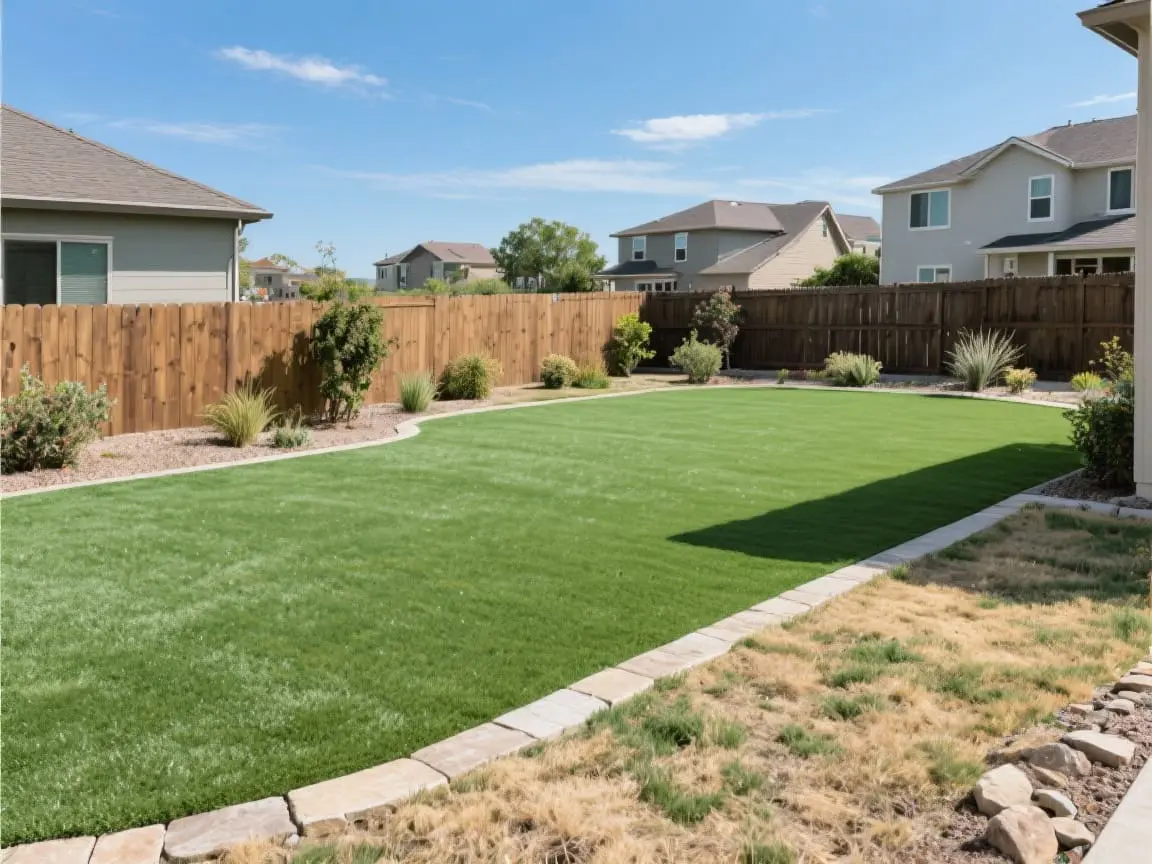

Can You Install Artificial Turf Directly on Soil in Texas?
No, you cannot properly install professional-grade artificial turf directly on soil in Texas. A compacted aggregate sub-base is absolutely essential for proper drainage, stability, and the long-term performance of your synthetic lawn, especially with the challenging DFW soil conditions.
In this guide, we break down exactly why the sub-base is the most critical part of any turf project and outline the correct ground prep for Texas homes.
Why Proper Ground Prep Matters for Texas Lawns
In North Texas, we don’t have soil; we have “gumbo” clay. This heavy, dense clay expands dramatically when it rains and shrinks and cracks during our 100°+ summer heat. Laying turf directly on this unstable surface will result in a lumpy, wrinkled, and poorly draining mess within a single season. A properly engineered base creates a stable foundation that isn’t affected by the shifting clay underneath. This is why many DFW homeowners who want a permanent, beautiful solution switch to a professionally installed artificial lawn system.
A Step-by-Step Guide to Proper Turf Base Installation
Step 1: Excavation
The first step is to remove the existing grass, weeds, and topsoil. For DFW’s clay soil, we recommend excavating 3 to 4 inches deep. This provides enough room for a robust base layer that can handle our heavy downpours and promote rapid drainage, preventing water from pooling.
Step 2: Installing the Aggregate Sub-Base
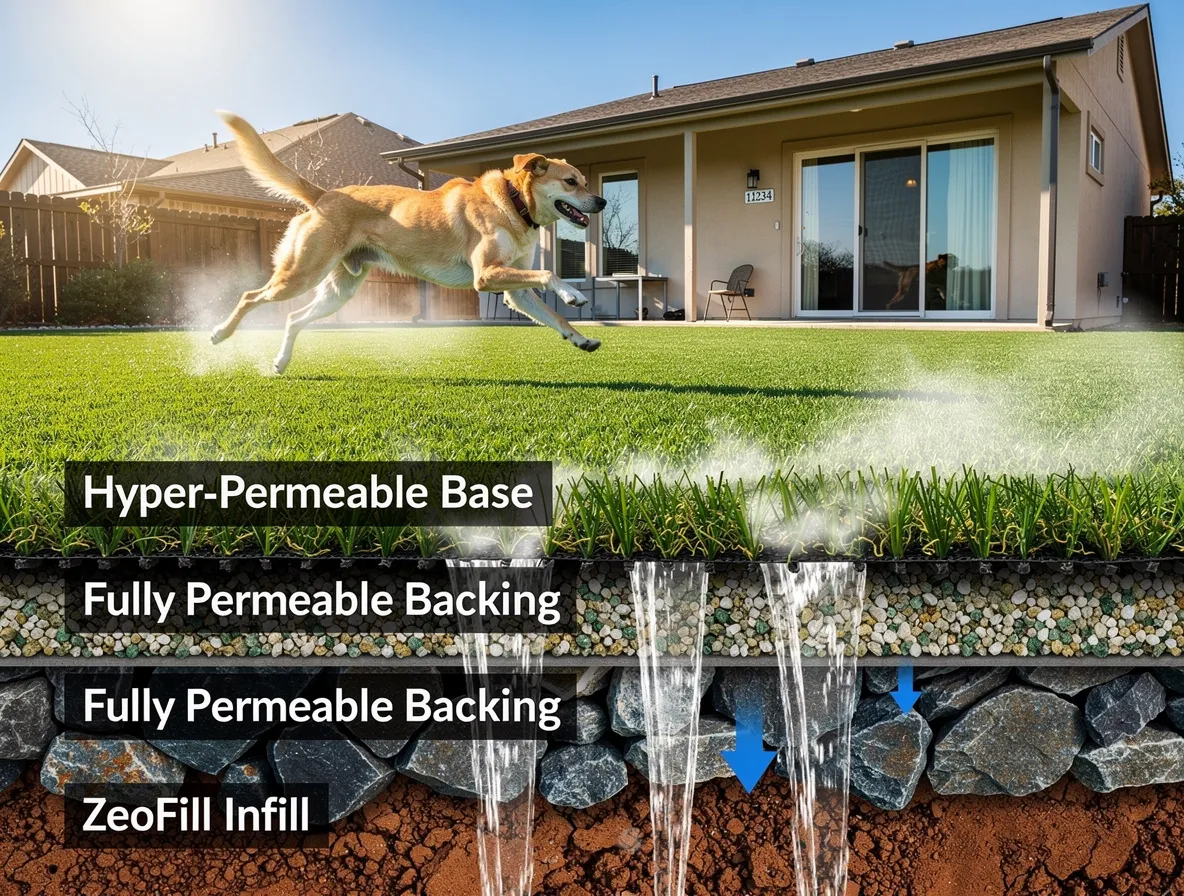
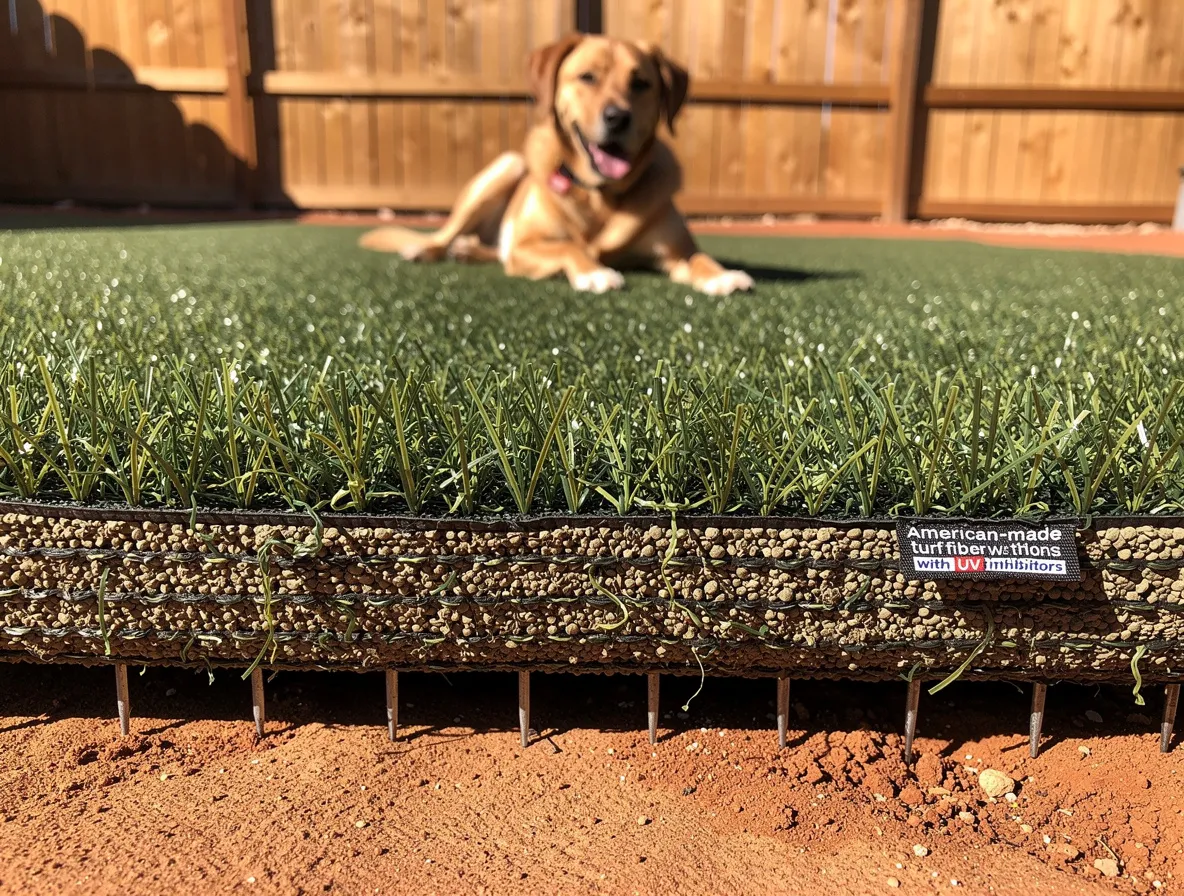
This is the most crucial step. We use a specialized mix of crushed limestone or decomposed granite. This aggregate is spread evenly across the excavated area. This rock layer creates the drainage field and the stable foundation your turf needs to remain smooth and even for years.
Step 3: Compaction and Grading
Once the sub-base material is laid, it must be professionally compacted using a plate compactor. We also grade the area with a slight, almost unnoticeable slope (typically 1-2%) to direct water runoff away from your home’s foundation and towards appropriate drainage points. A perfectly compacted and graded base is the secret to a lawn that looks natural and never puddles.
Step 4: Adding a Weed Barrier
Before the turf is rolled out, a high-quality, permeable weed barrier fabric is laid over the compacted base. While very few weeds can penetrate a 4-inch compacted rock base, this adds a final layer of protection to ensure your lawn remains maintenance-free.
Dealing with Turf Installation in the DFW Climate
You cannot use the same installation methods in Dallas that someone might use in a cooler climate with sandy soil. Our “gumbo” clay is the ultimate test. Skipping the excavation and sub-base to lay turf on dirt might seem like a cost-saver, but it guarantees failure. The turf will shift, tear, and hold water, creating a muddy swamp. A professional sub-base built for the DFW climate is the only way to ensure a return on your investment.
The Bottom Line: Don’t Skip the Sub-Base
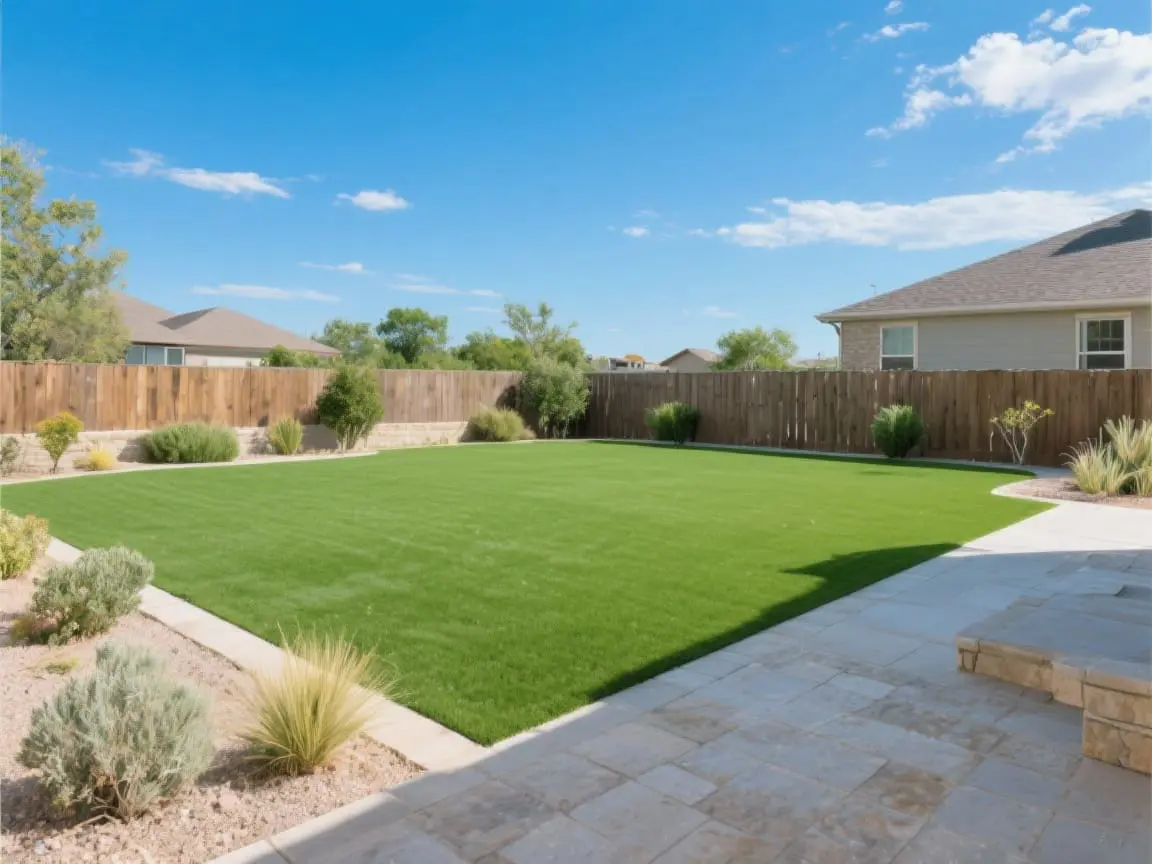
The foundation beneath your artificial grass is more important than the turf itself. Installing turf directly over dirt is a recipe for disaster in North Texas. The proper excavation and installation of a compacted aggregate base is the only way to guarantee a beautiful, durable, and well-draining lawn that can withstand our unique climate challenges.
Don’t want to deal with the hassle of heavy-duty ground preparation? Let the pros handle it.