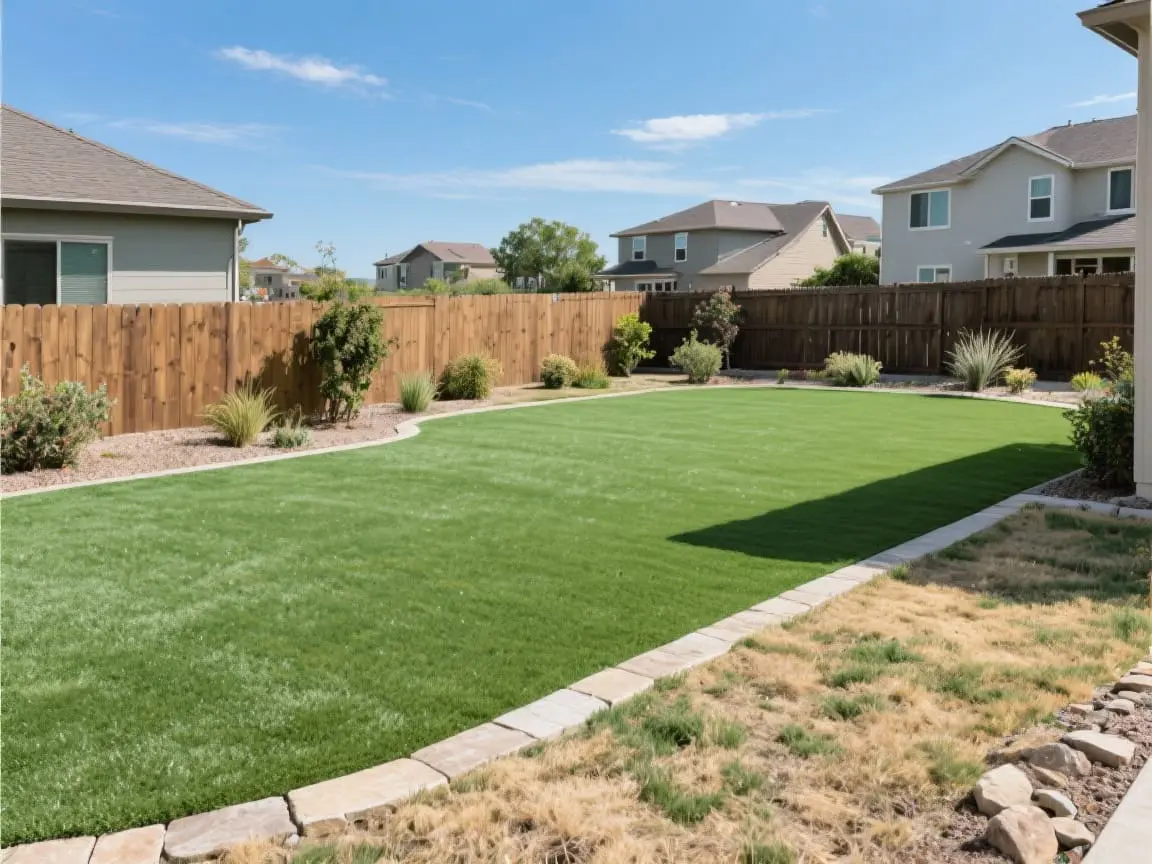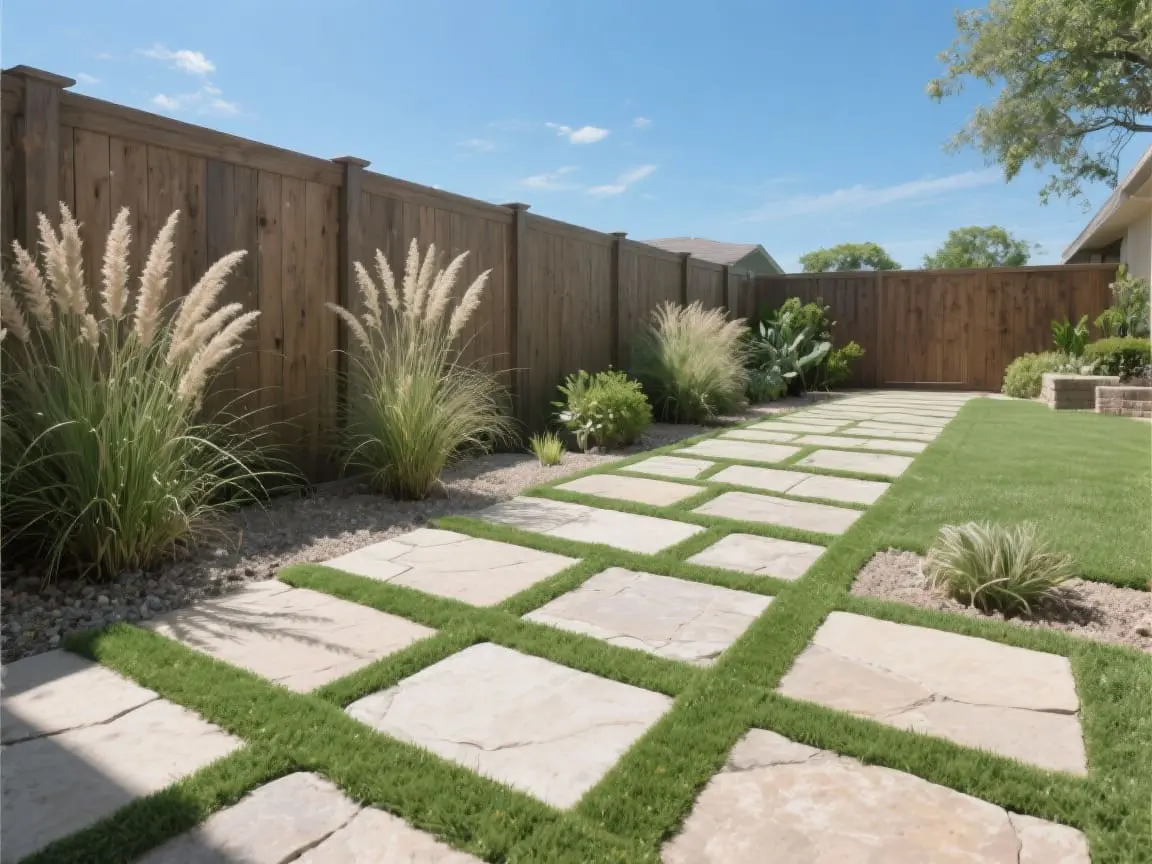
Nylon vs. Polyethylene: What’s the Best Artificial Grass Fiber for DFW?
The best artificial grass fiber for most DFW residential lawns is Polyethylene (PE) due to its ideal balance of softness, realism, and durability. For extreme high-traffic areas or putting greens, Nylon is the strongest, while Polypropylene (PP) is mainly used as a supportive thatch layer.
In this guide, we break down the artificial turf material science so you can select the right turf for your Texas property.
Why Your Turf Material Choice Matters in the Texas Heat
Not all artificial grass is created equal, and in North Texas, the sun is the ultimate test. The intense, prolonged heat and UV exposure in a DFW summer can cause inferior synthetic grass fibers to fade, melt, or become brittle. Selecting a high-quality material is the most important factor in the longevity of your investment. This is why many homeowners find that a professional residential turf installation using American-made materials is the only way to guarantee a lawn that lasts.
Comparing DFW Synthetic Turf Materials: PE vs. PP vs. Nylon
Understanding the difference between the three main types of turf fiber—Polyethylene, Polypropylene, and Nylon—is key to choosing a product that meets your performance and aesthetic needs.
Polyethylene (PE): The All-Around Champion
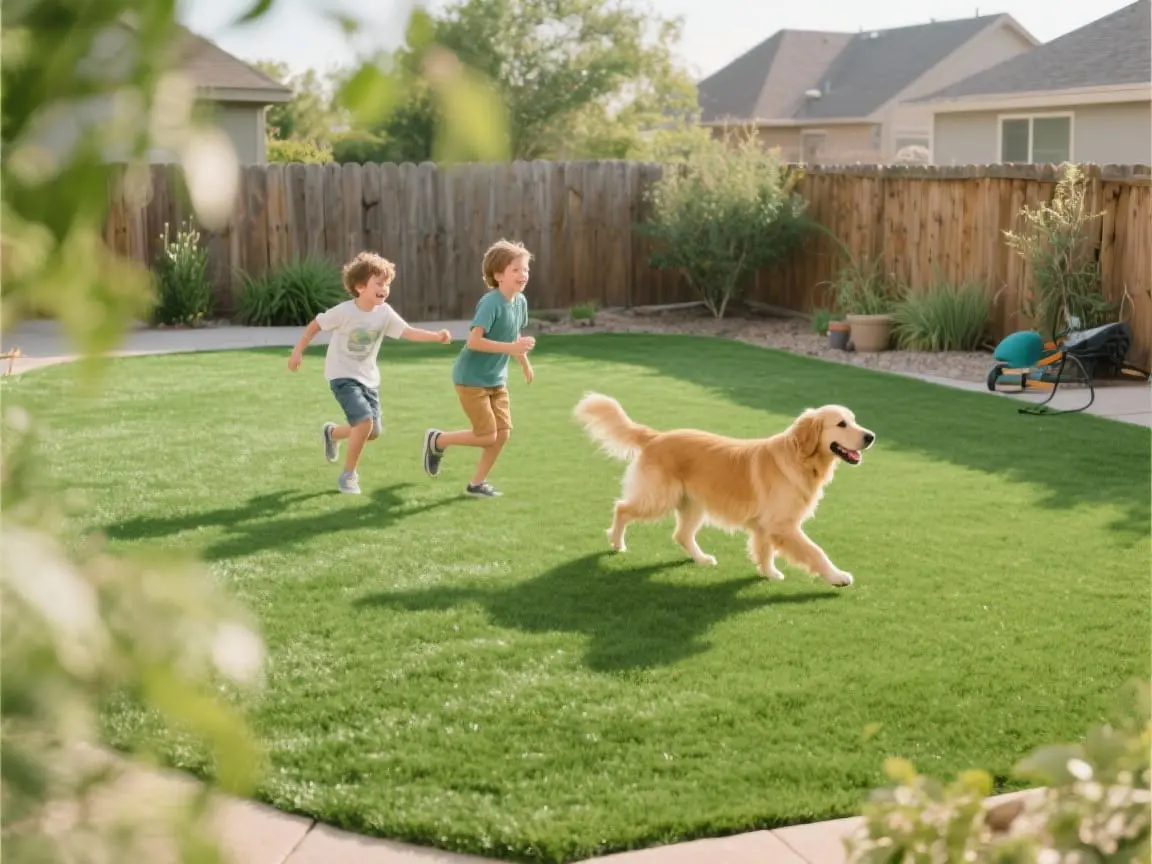
Polyethylene is the most popular material used for artificial grass blades today, and for good reason. It offers the most realistic look and is considered the softest artificial grass, making it perfect for residential lawns, playgrounds, and pet areas. While not as tough as Nylon, high-quality PE turf has excellent resilience and is engineered to withstand moderate to heavy foot traffic without losing its shape.
Nylon: The Unbeatable Strongman
When it comes to pure durability, nothing beats Nylon. It has the strongest and most resilient fibers with an exceptionally high melting point, making it the top choice for applications that see extreme use. The strength of Nylon turf in Texas makes it ideal for backyard putting greens (where it affects ball roll), commercial common areas, and sports fields. The main trade-off is that it’s stiffer to the touch and typically more expensive.
Polypropylene (PP): The Supporting Player
Polypropylene is a less durable fiber with a lower melting point. Because of this, it is rarely used for the main grass blades in the DFW climate. However, it serves an important function as the “thatch layer”—the curly, underlying fibers that provide cushioning and support for the taller blades. It’s also sometimes used for specialty putting green surfaces where a less resilient surface is desired.
Dealing with Turf Materials in the DFW Climate
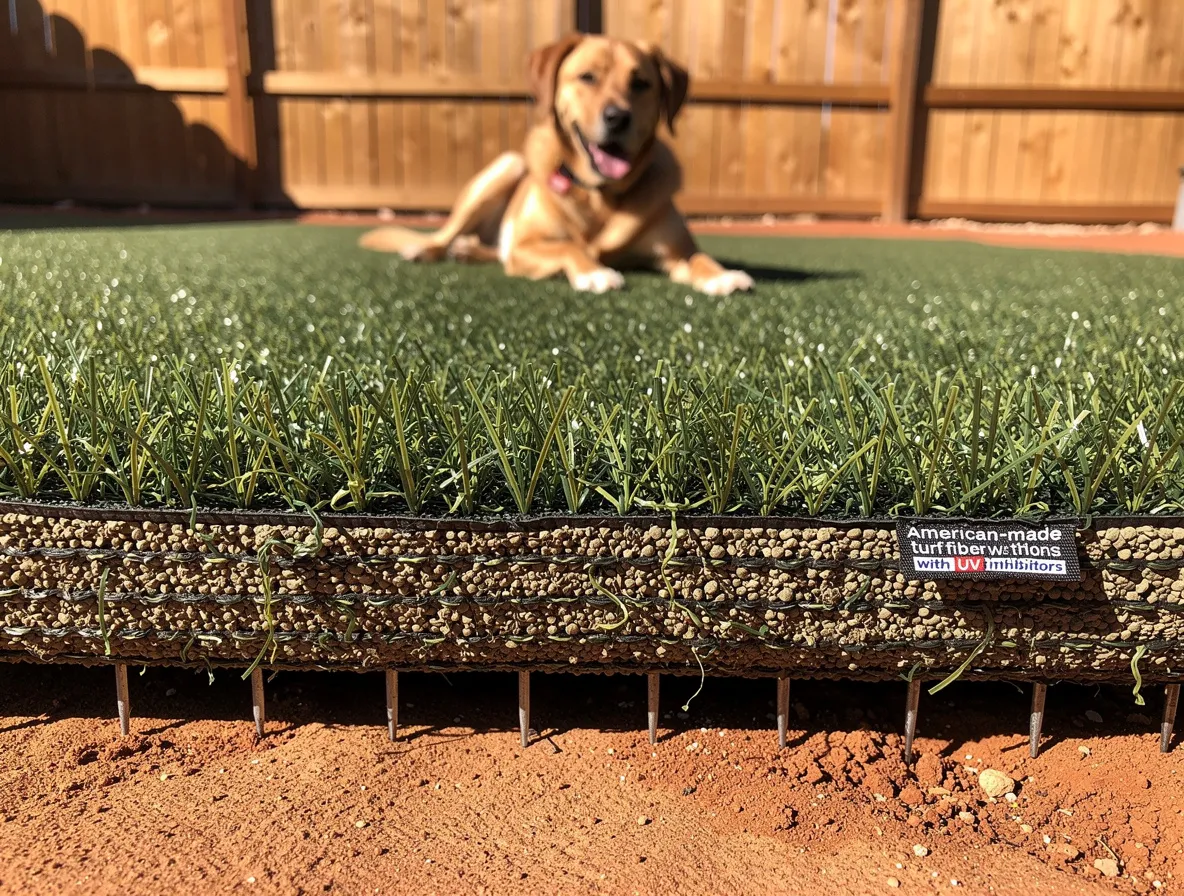
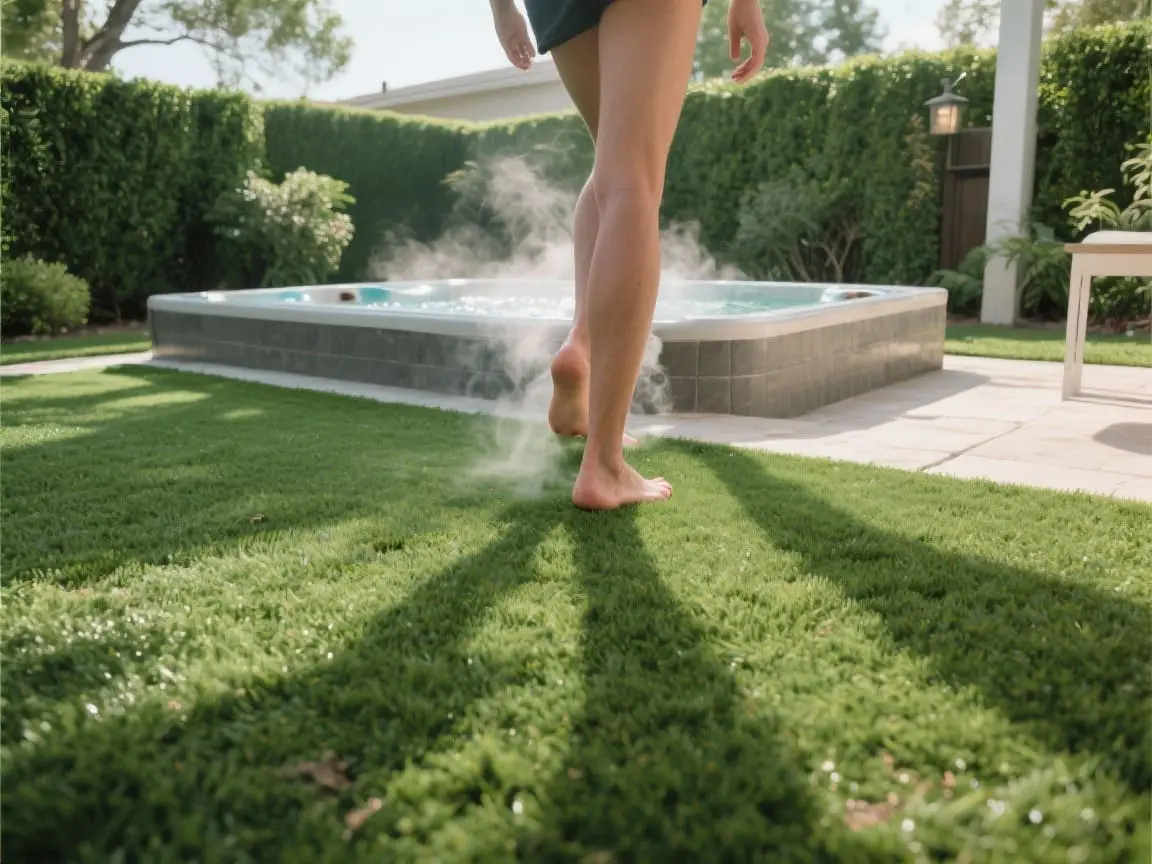
In a cooler climate, the difference in heat resistance might be less critical. But here in the Dallas-Fort Worth Metroplex, 100°+ summer days are the norm. This intense heat, especially when reflected off windows, can damage turf made with less-stable fibers. Nylon’s superior heat resistance makes it a bulletproof choice for problem areas. For general lawn applications, our modern Polyethylene products are infused with advanced UV inhibitors and heat-reduction technology to keep them durable and cooler to the touch, even in direct Texas sun.
The Bottom Line: Matching the Fiber to the Function
To summarize, Polyethylene is the best choice for a beautiful, soft, and durable DFW lawn. Nylon is the peak performer for high-traffic and specialty uses like putting greens. Polypropylene plays a crucial background role. Understanding these differences helps you invest in a lawn that will perform beautifully for years.
Don’t want to deal with the complexities of artificial turf material science? Let our DFW experts help you choose the perfect turf for your needs.