Which Turf Material is Best for Texas Heat: Nylon vs. Polyethylene?
The best artificial turf material for most DFW residential lawns is Polyethylene, which offers the perfect balance of realistic softness and proven durability. For specialty applications like putting greens, Nylon is the most resilient choice, while Polypropylene is typically used as a supportive thatch layer. In this guide, we break down exactly how DFW homeowners can choose the right material for a long-lasting investment.
Why Turf Material Choice is Critical for DFW Lawns
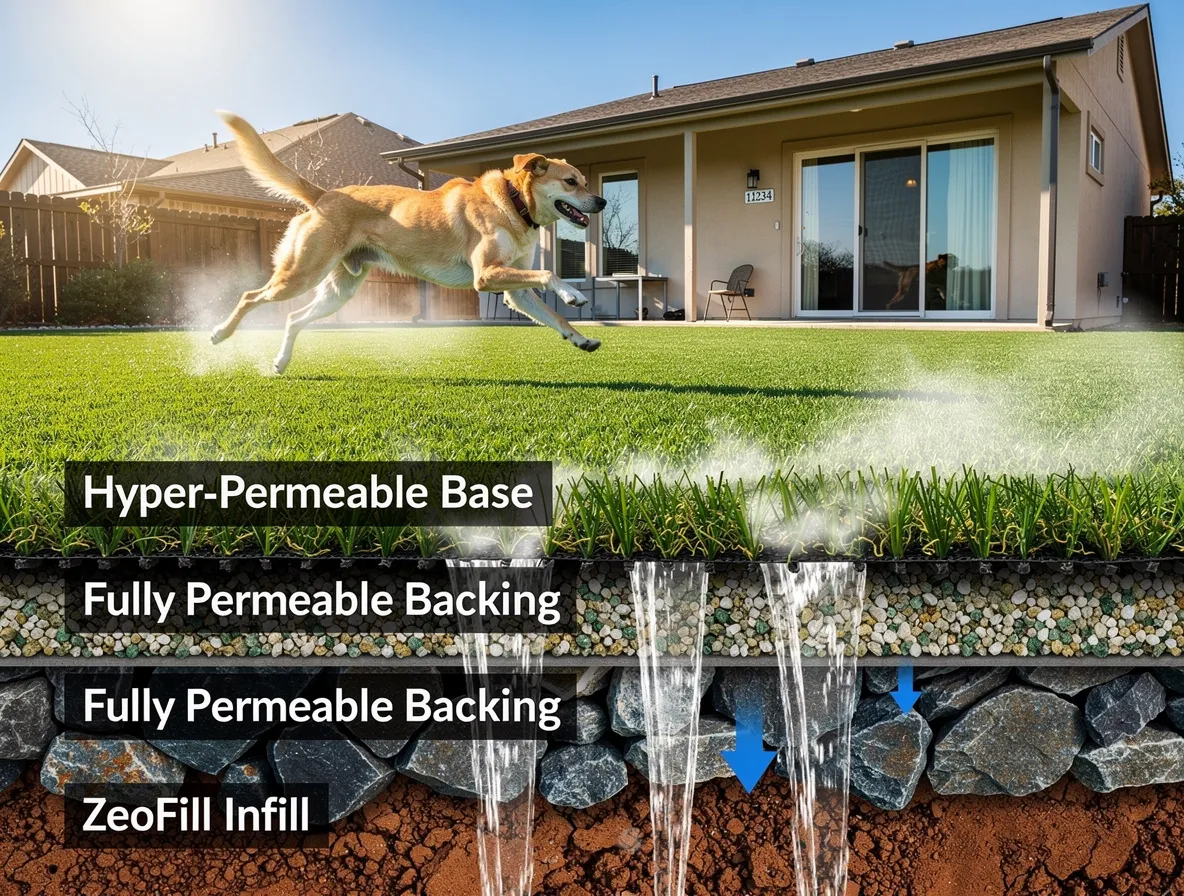
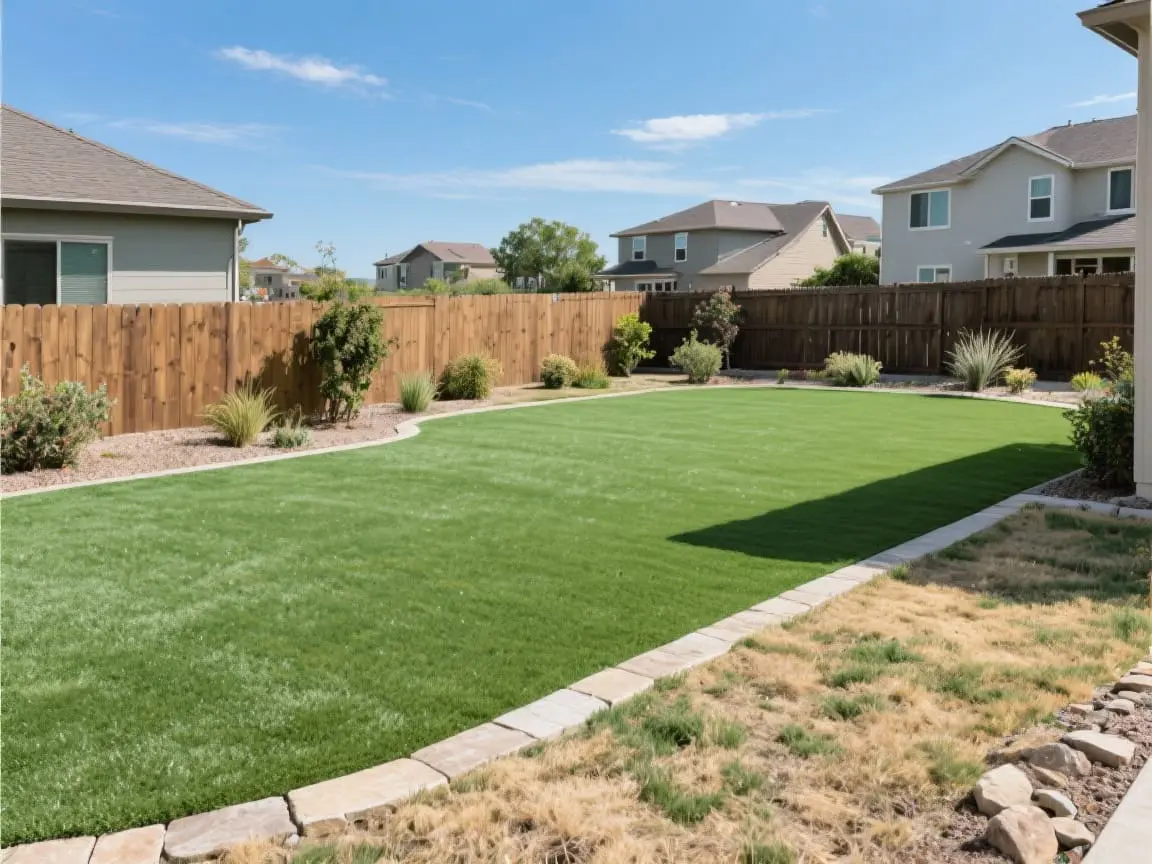
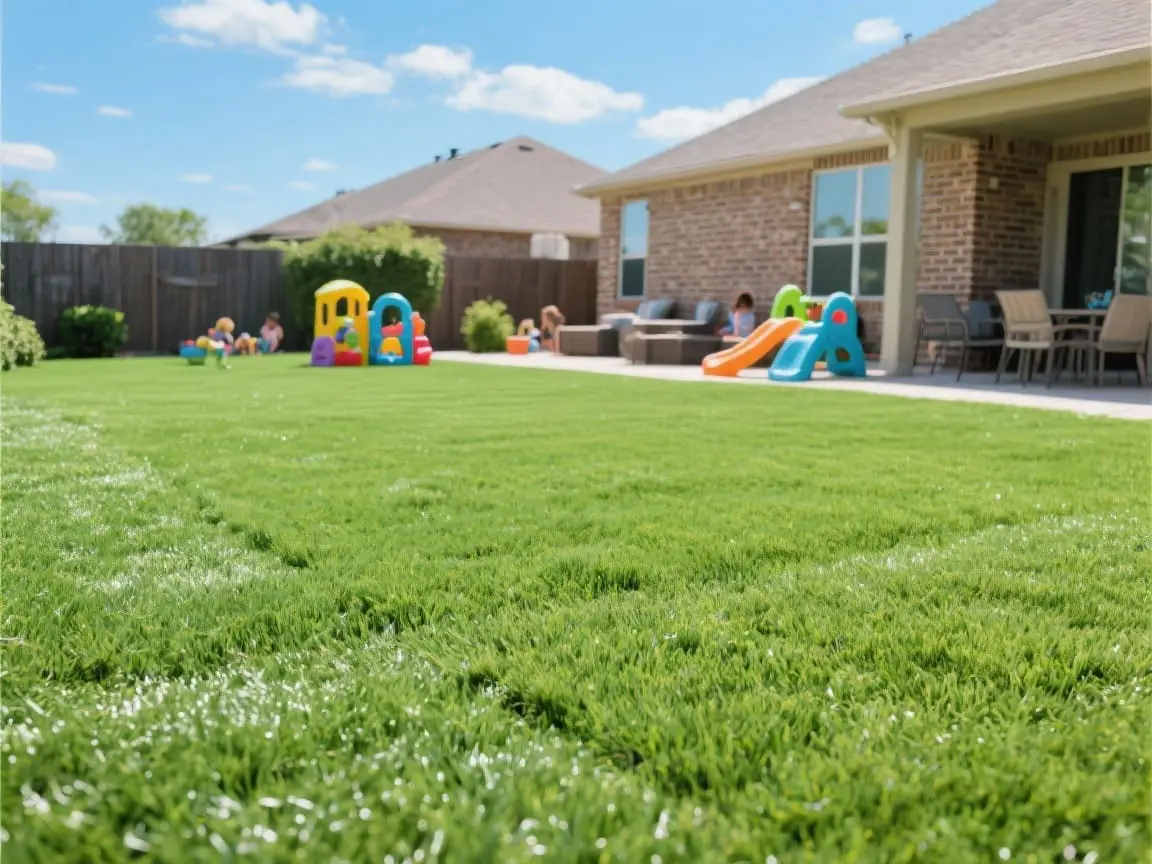
In North Texas, your lawn is under constant assault from scorching sun, heavy rain, and high foot traffic. Choosing the wrong turf fiber is a costly mistake. A low-quality material can fade, melt, or flatten under the 100°+ summer heat, turning your beautiful lawn into a matted, plastic mess. The material science of your grass is the single most important factor in its longevity. This is why many homeowners switch to our professionally installed premium residential turf systems designed for the DFW climate.
An Expert Comparison: Nylon vs. Polyethylene vs. Polypropylene
Not all turf is created equal. The plastic polymer used for the grass blades dictates its feel, durability, and ideal use. Here’s the breakdown of the three main types you’ll encounter.
Polyethylene (The All-Around Champion)
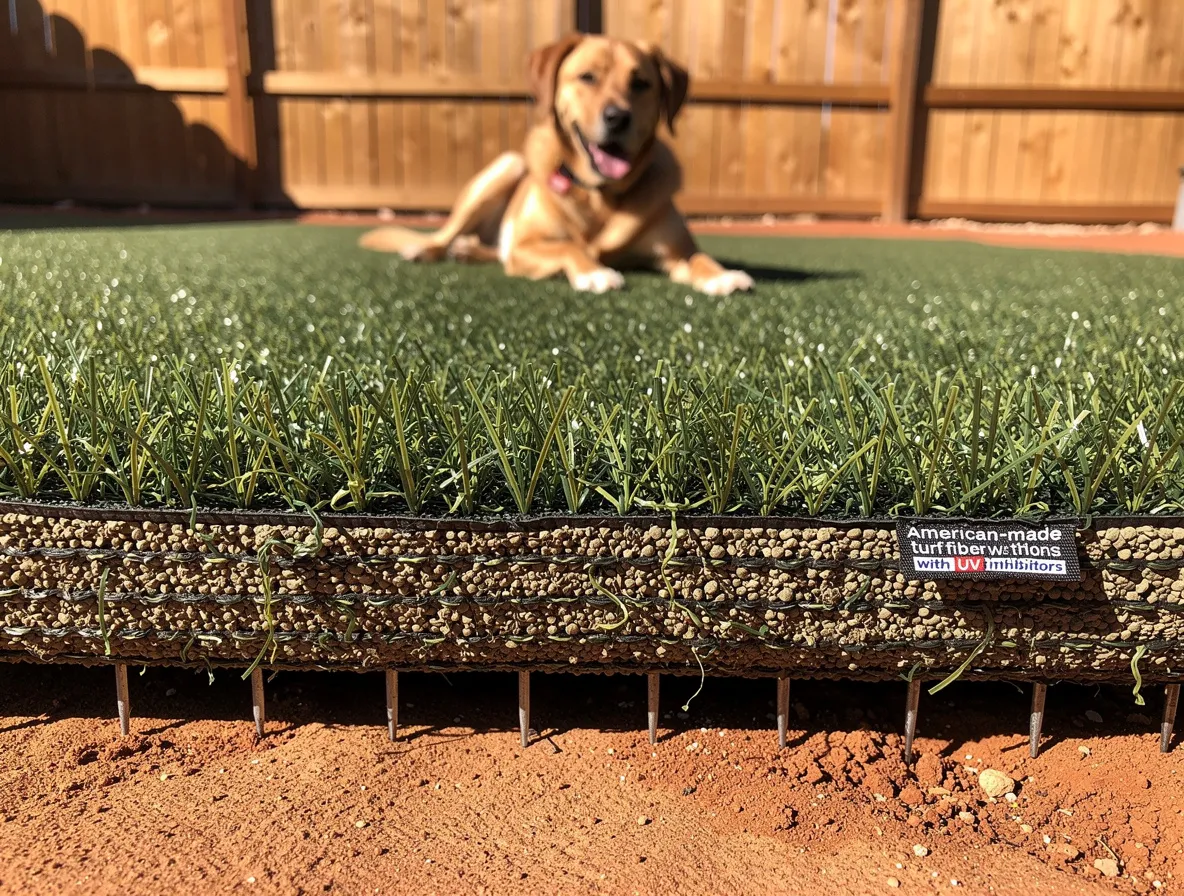
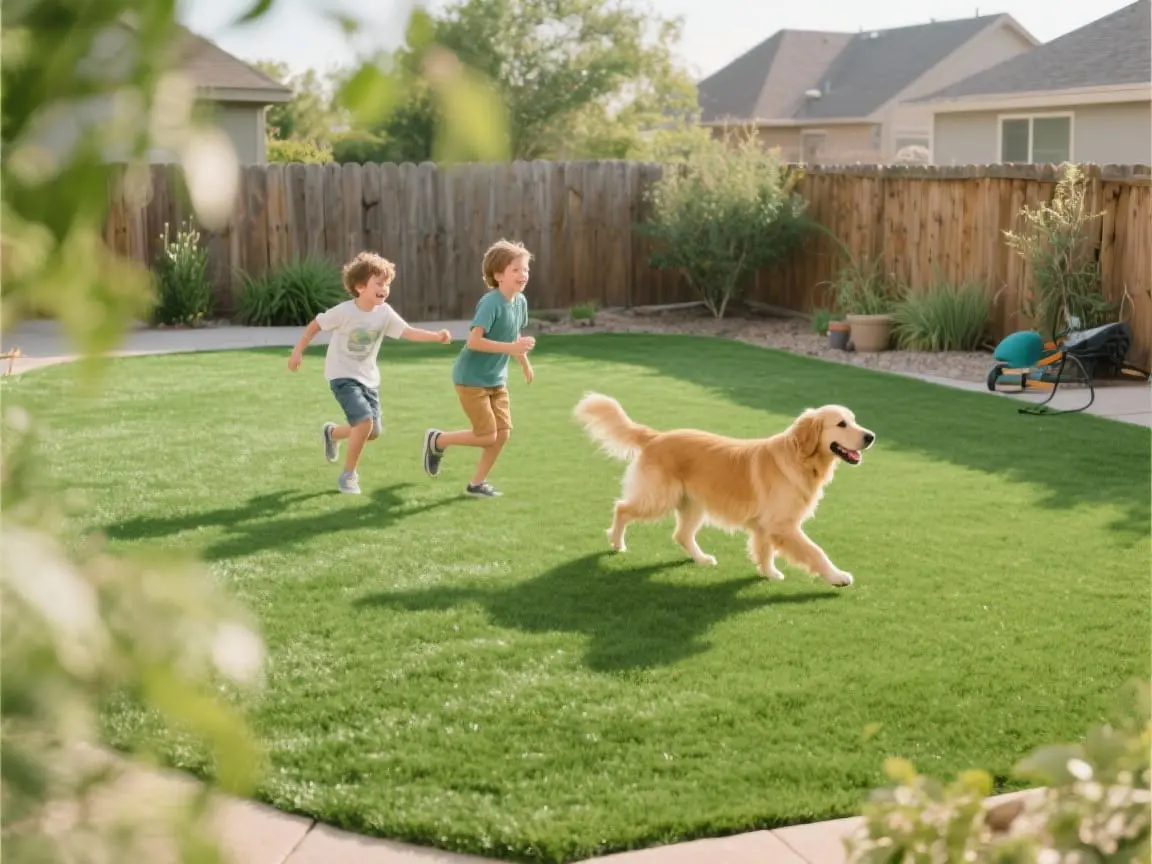
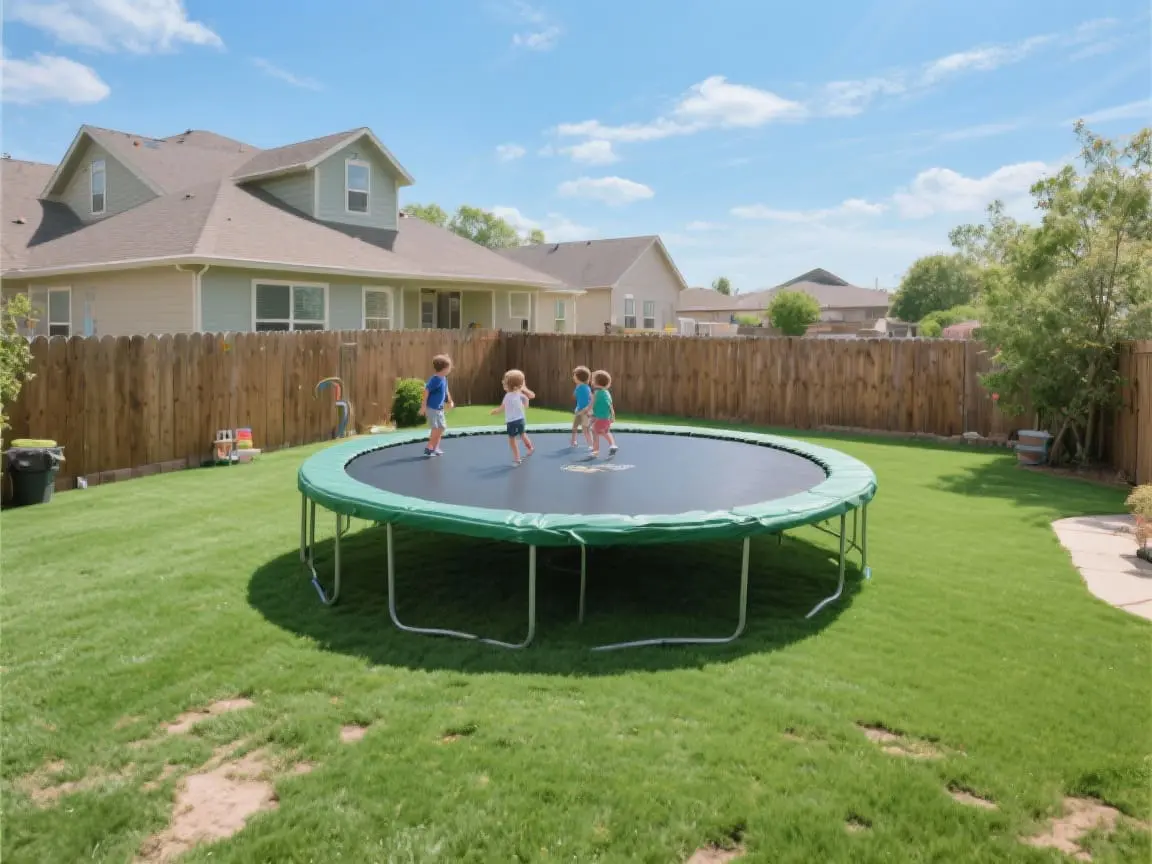
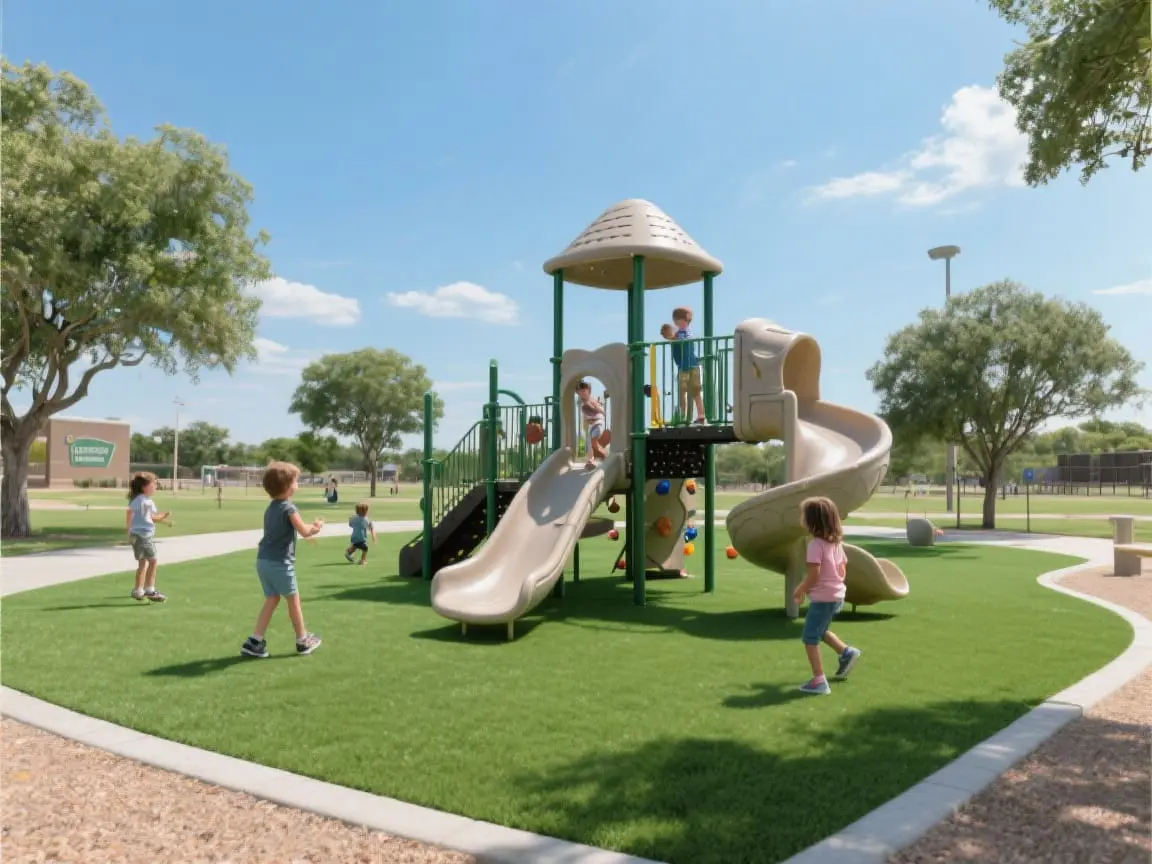
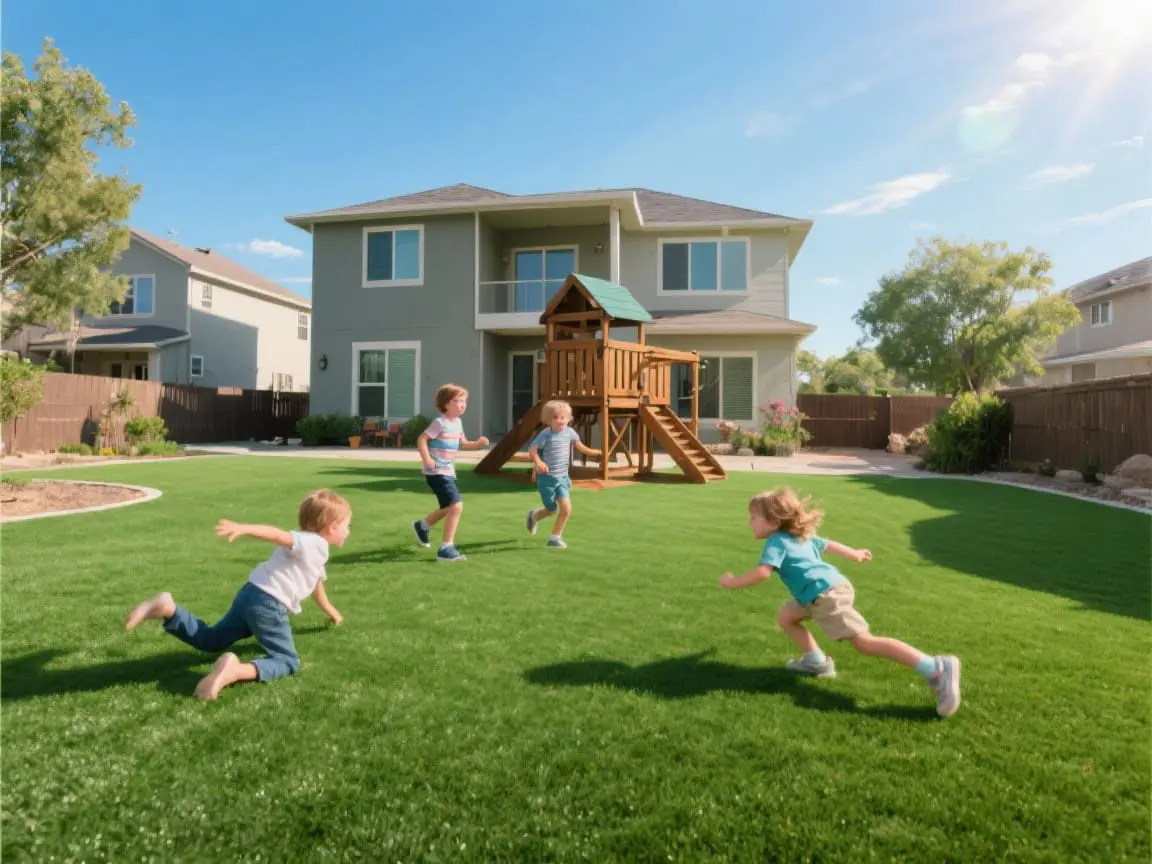
Polyethylene is the most popular material for artificial grass, and for good reason. It strikes the perfect balance between softness and strength, making it ideal for residential lawns, pet areas, and playgrounds. It has a natural, lush appearance and feels soft underfoot, which is great for kids and pets. High-quality polyethylene fibers have excellent memory and UV inhibitors to resist fading and matting in the brutal Texas sun.
Nylon (The Durability King)
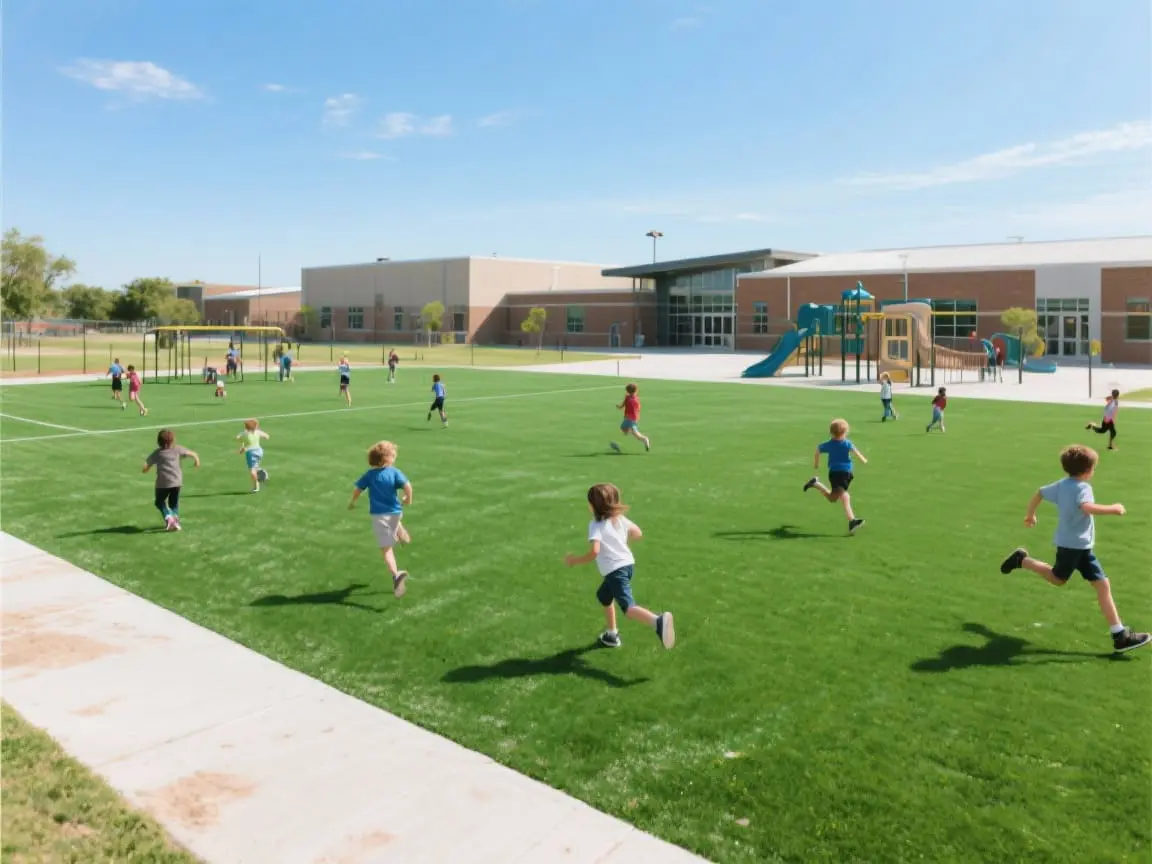
Nylon is the strongest and most resilient turf fiber available. It has an outstandingly high melting point and a stiff texture, which allows it to withstand extreme heat and heavy commercial traffic without losing its shape. However, this toughness makes it less soft and more abrasive than polyethylene, so it isn’t the top choice for a backyard play area. Its stiffness is its greatest asset for athletic applications, which is why it’s the gold standard for backyard putting greens where a true and consistent ball roll is essential.
Polypropylene (The Supportive Role)
Polypropylene is a less durable fiber with a lower melting point. For this reason, it is rarely used for the main, tall grass blades in a quality turf product. Where it excels is as a “thatch layer”—the curly, shorter fibers at the base of the turf. This thatch provides cushioning, supports the taller blades, and gives the turf a fuller, more realistic look. Be wary of any product that uses polypropylene for the primary grass blades, as it simply won’t last in the DFW climate.
Choosing a Turf Fiber for the Texas Heat
In cooler, less sunny climates, the difference between materials might be less obvious. But here in Dallas-Fort Worth, the sun is a destructive force. Intense UV radiation can break down the chemical bonds in cheaper plastics, leading to brittleness and color fading. The high surface temperatures can cause low-grade fibers to lose their shape permanently. This is why All American Turf Texas only installs turf made from premium Polyethylene and Nylon, ensuring your investment looks and performs beautifully for years, regardless of drought or heatwave.
The Bottom Line: The Right Fiber for the Right Job
To summarize, Polyethylene is the versatile workhorse for almost any DFW residential or pet-friendly application. Nylon is the high-performance specialist for putting greens and extreme traffic zones. Polypropylene serves as the hidden support system. Understanding these differences ensures you get a turf system engineered for your specific needs. Don’t want to deal with the technical details? Let the pros handle it.