Silica vs. Sand Infill: Which is Best for DFW Artificial Turf?
The best infill for most DFW artificial turf applications is rounded silica sand. Its uniform, spherical shape resists compaction, promotes superior drainage, and provides a softer feel compared to the angular, sharp edges of common sand, ensuring better long-term performance in Texas heat.
In this guide, we break down exactly why the type of sand you put in your turf is one of the most critical decisions for DFW homeowners.
Why Your Turf Infill Choice Matters in North Texas
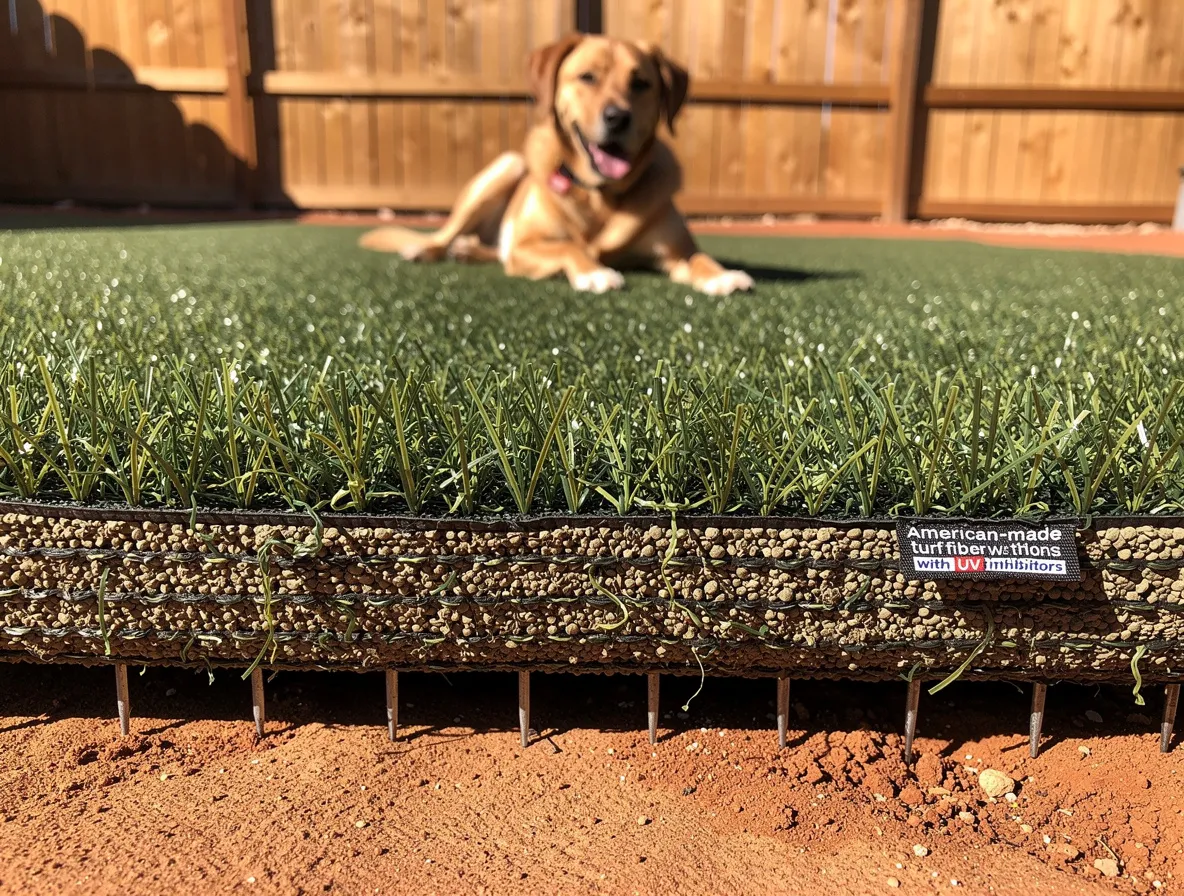
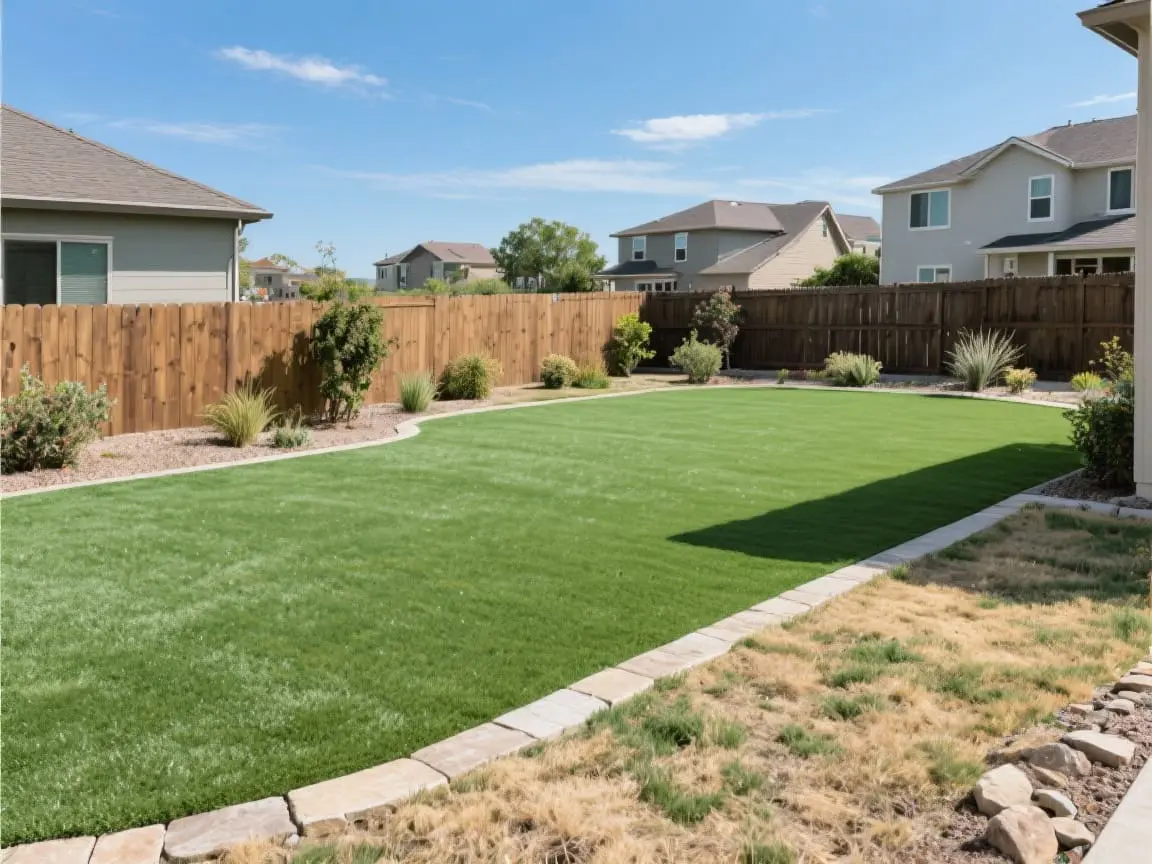
Infill isn’t just filler; it’s a core component of your artificial grass system. It supports the turf fibers, helps them stand upright, adds ballast to hold the turf down, and aids in drainage. In North Texas, where we face everything from scorching 100°F heatwaves to torrential downpours that overwhelm our clay soil, choosing the right infill is non-negotiable for the longevity and performance of your investment. An incorrect choice can lead to a hot, compacted, and poorly draining lawn. This is why many homeowners investing in a long-term solution start with our premium Residential Lawn systems that use only high-performance components.
A Head-to-Head Comparison: Silica vs. Standard Sand Infill
While both are “sand,” their performance characteristics are worlds apart. It all comes down to the shape and processing of the individual grains.
Shape & Structure: The Science Behind the Grains
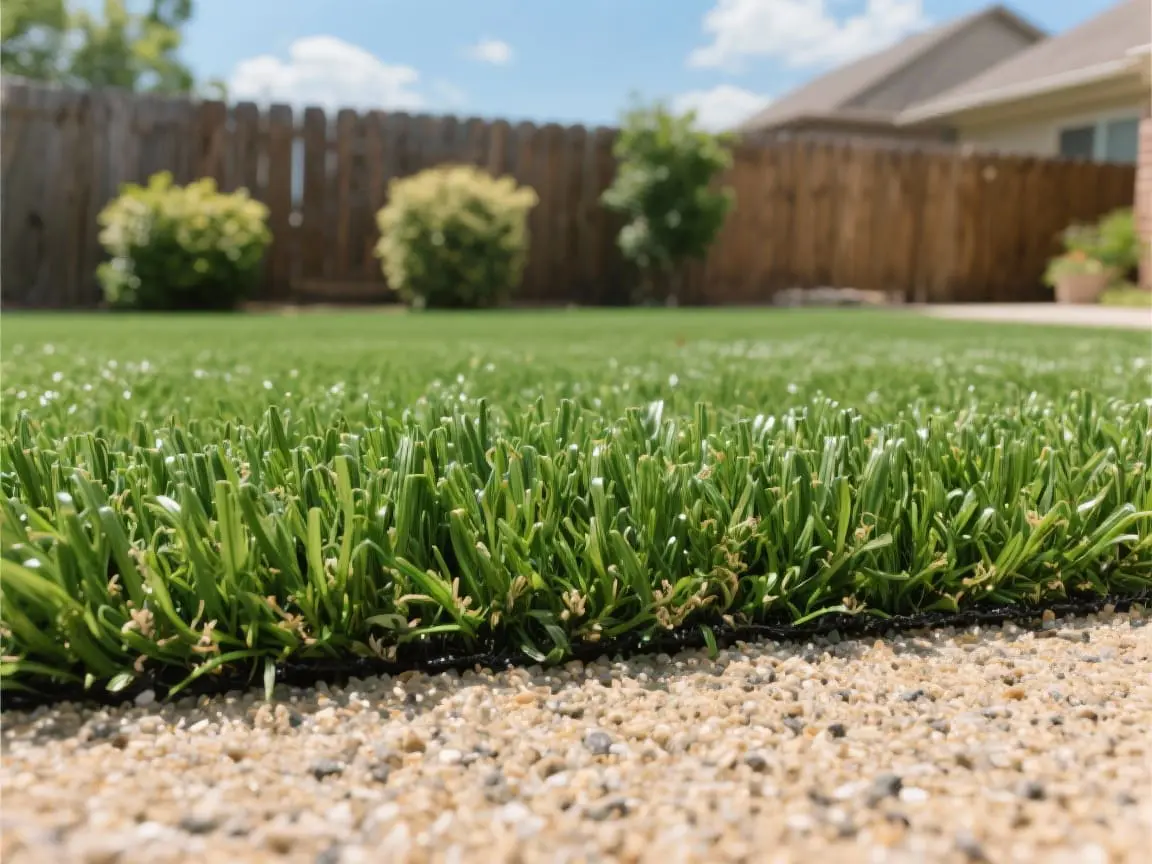
Standard sand, often called “play sand” or “masonry sand,” is made of irregular, angular grains with sharp edges. Silica sand, on the other hand, is comprised of highly uniform, spherical (round) grains. This might seem like a small detail, but it’s the most important difference.
Drainage & Compaction
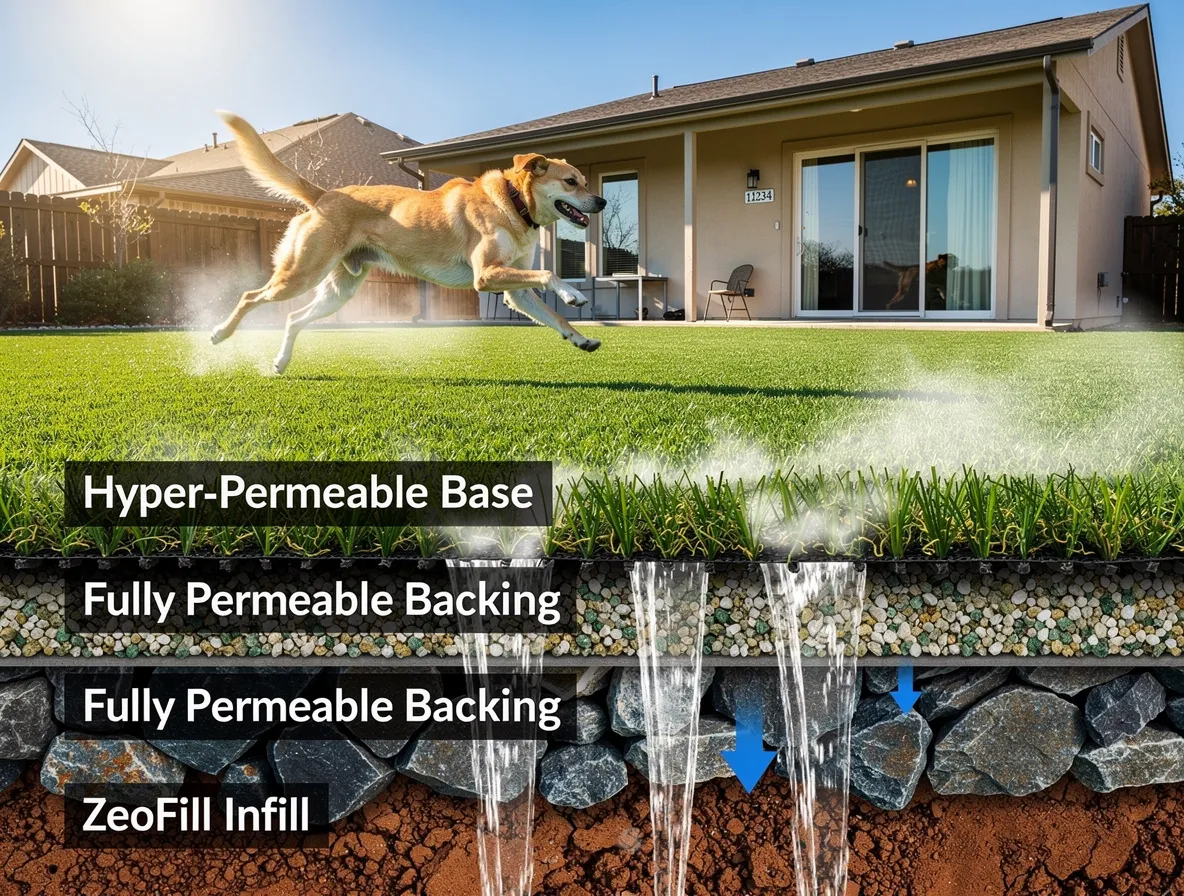
The sharp edges of standard sand lock together over time under foot traffic, much like the pieces of a jigsaw puzzle. This leads to heavy compaction, creating a hard surface that drains poorly. In DFW, poor drainage means your turf can hold water for longer after a storm. The round grains of silica sand cannot lock together, allowing them to shift and resettle. This maintains space between the grains, ensuring water drains through quickly and the surface remains soft.
Durability & Longevity
The constant grinding of angular sand particles against each other and the turf backing can cause premature wear and tear. It acts like sandpaper at a microscopic level. The smooth, round surface of silica sand grains rolls against each other, creating far less friction and preserving the integrity of your turf fibers for years longer.
Safety & Feel for Playgrounds and Pets
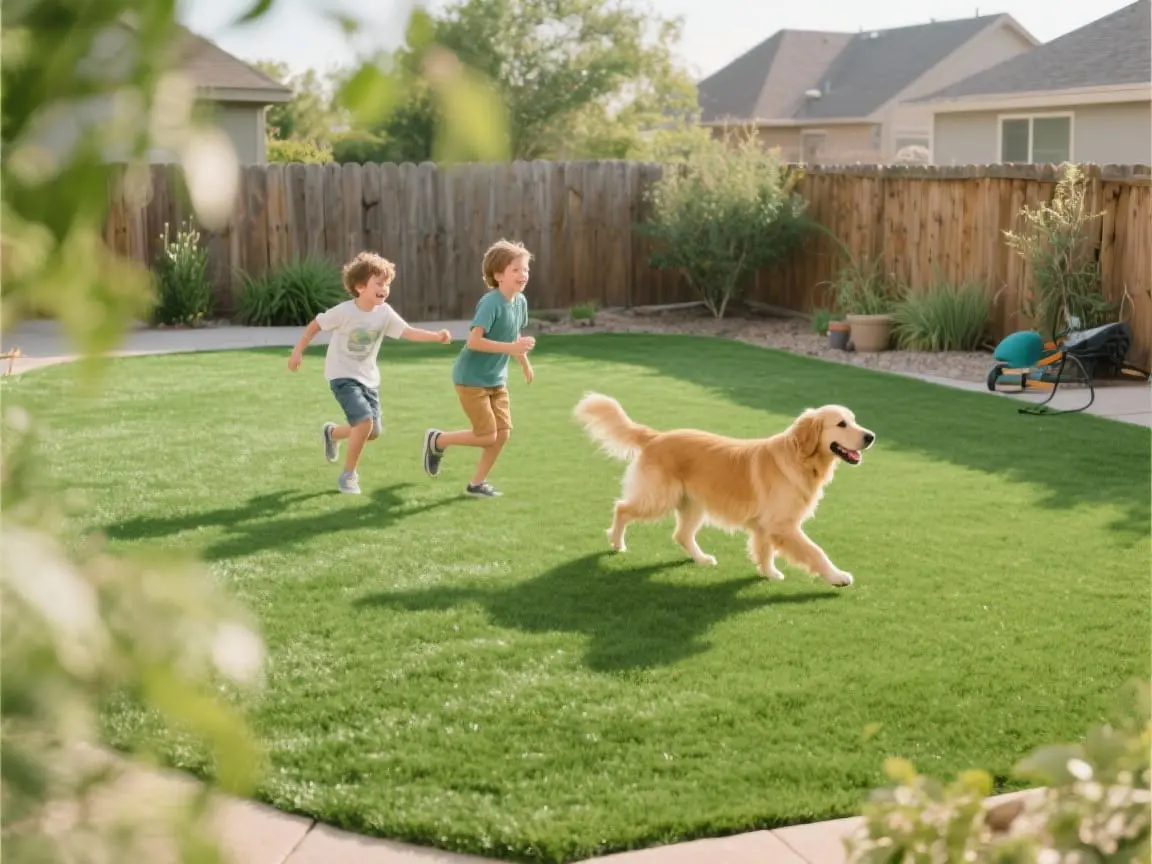
For areas where kids will be playing or pets will be running, silica sand is the safer, more comfortable option. Its sub-angular shape is less abrasive on skin during falls. Standard sand is sharper and can feel harsh underfoot. For dedicated pet areas, we often combine silica sand with specialized odor-absorbing infills in our Pet Turf & K9 Systems for maximum performance.
Dealing with Infill in the DFW Climate
The number one concern for any turf surface in a Texas summer is heat. While basic silica sand can get hot, its lighter color can help slightly compared to darker sands or rubber infills. More importantly, high-quality, coated silica sand products (like Envirofill) are designed with antimicrobial properties and heat-reducing technology. These premium options are ideal for the DFW climate, as they actively combat bacteria growth from humidity and can stay up to 25% cooler than standard sand, making the lawn usable even on hot August afternoons.
The Bottom Line: The Professional’s Choice
While standard sand may have a lower upfront cost, it is a poor long-term investment for a DFW turf system. The risks of compaction, poor drainage, and accelerated wear make it an unsuitable choice. High-quality, rounded silica sand is the professional standard, providing the durability, safety, and performance necessary to withstand the demanding North Texas climate.
Don’t let the wrong foundation ruin your new lawn. Let the pros engineer the perfect system for your property.