
The Definitive Texas Artificial Turf Installation Guide
The best way to properly install artificial turf in Texas involves a multi-step process: excavating the area, building a compacted aggregate base for drainage, precisely laying and seaming the turf, securing the perimeter, and evenly distributing infill before a final power brushing. In this guide, we break down exactly how DFW homeowners can understand the professional installation process from start to finish.
Why Proper Installation Matters for Texas Lawns
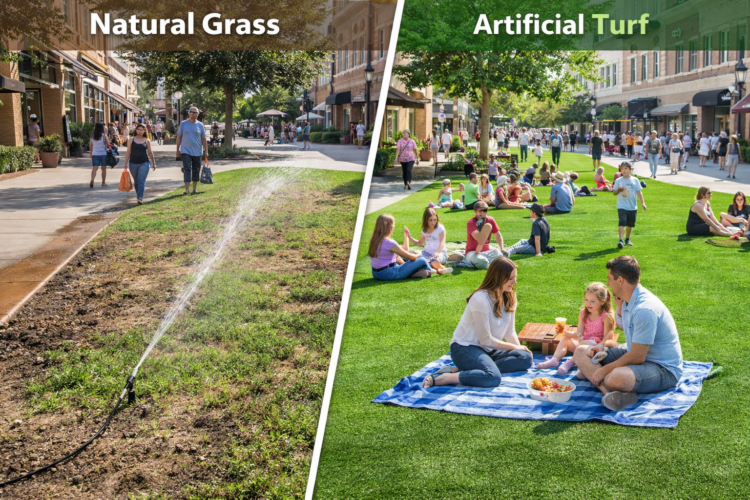
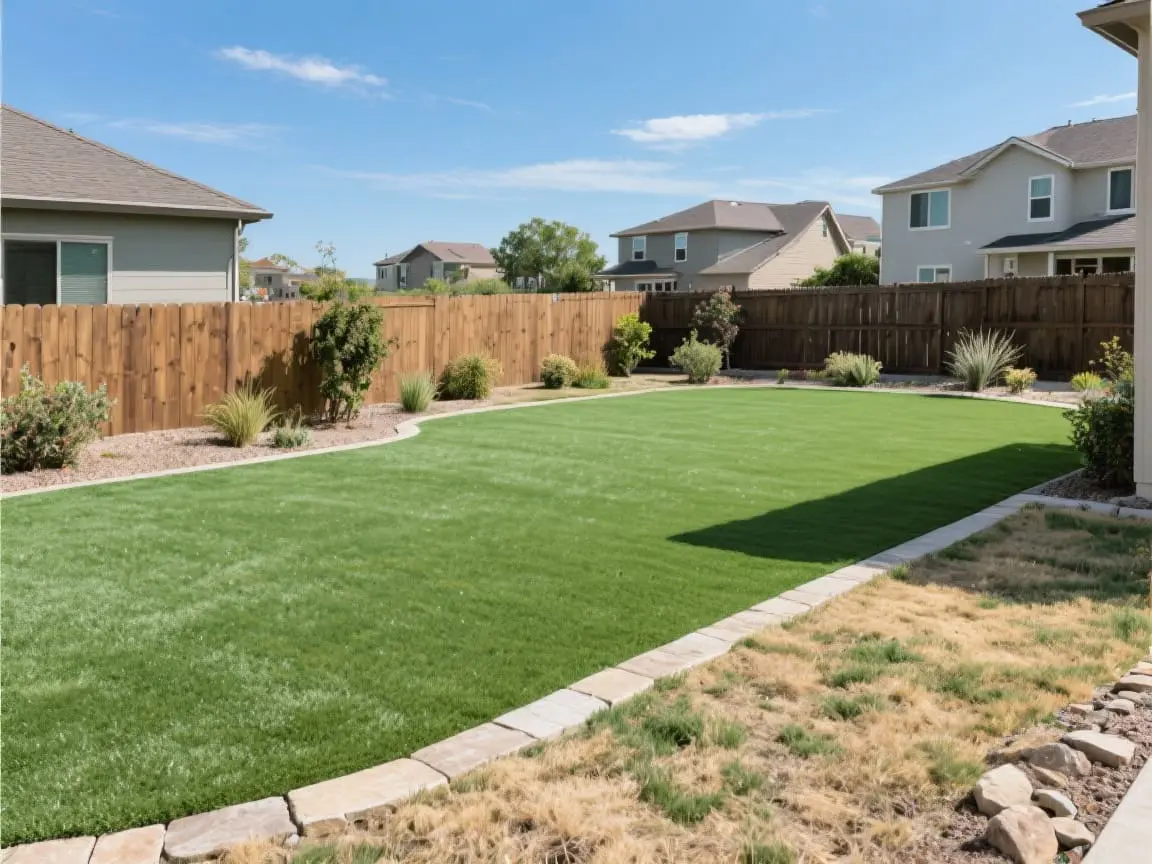
In North Texas, you can’t just roll turf out like a rug and expect it to last. Our infamous “gumbo” clay soil expands and contracts dramatically with moisture, and the blistering summer heat can wreak havoc on improperly installed materials. A professional installation isn’t just about looks; it’s about creating a stable, well-drained foundation that prevents wrinkles, dips, and drainage problems for years to come. This is why many homeowners fed up with muddy, patchy yards switch to a professionally installed residential artificial lawn.
A Step-by-Step Guide to Professional Turf Installation
Step 1: Excavation and Ground Preparation
The first step is the most critical. We excavate 3-4 inches of the native clay soil. This removes old grass, roots, and organic material that can decompose and create uneven spots later. We also establish a proper grade, ensuring water will flow away from your home’s foundation.
Step 2: Building the Sub-Base
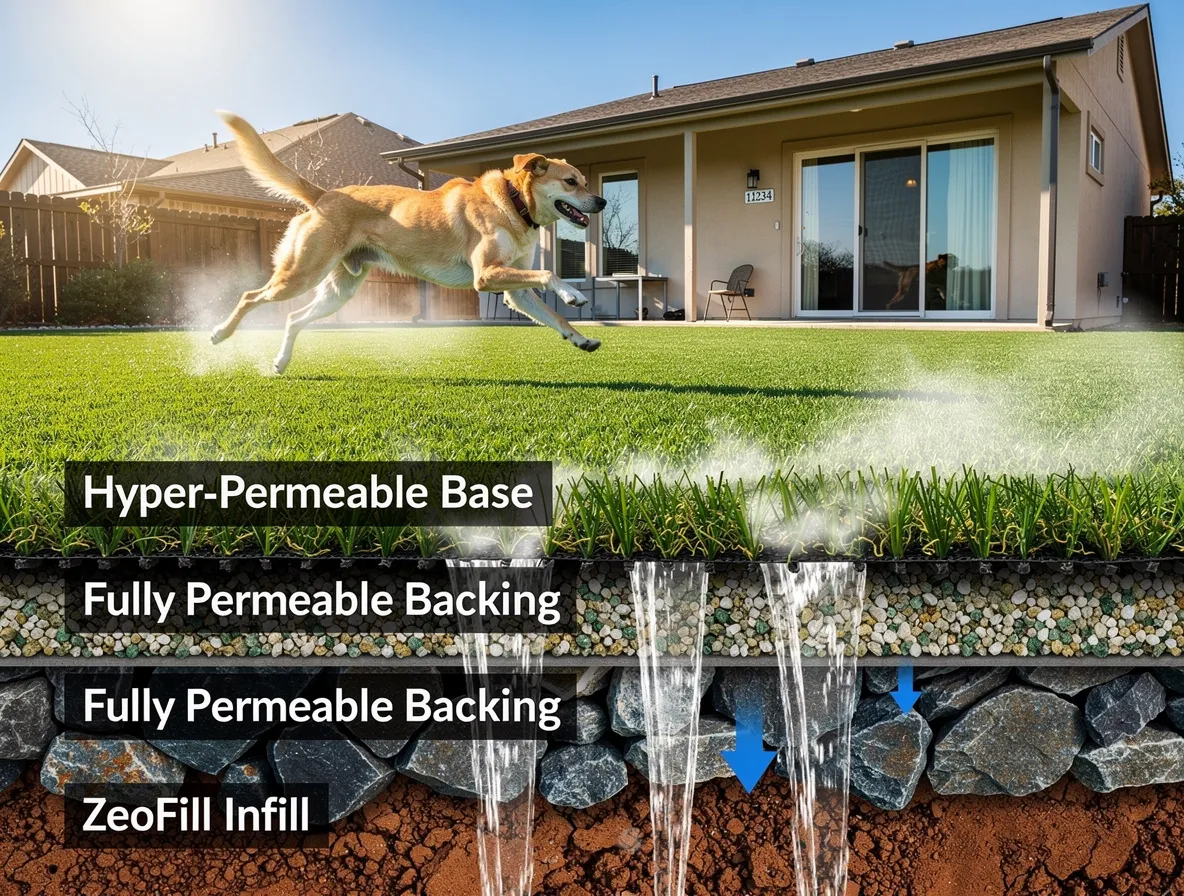
We install a specialized aggregate base, typically a mix of crushed granite or limestone. This material is spread evenly and then compacted with a heavy plate compactor. This creates a solid, porous foundation that is crucial for drainage and stability, preventing the turf from shifting on the unstable Texas clay beneath.
Step 3: Laying and Cutting the Turf
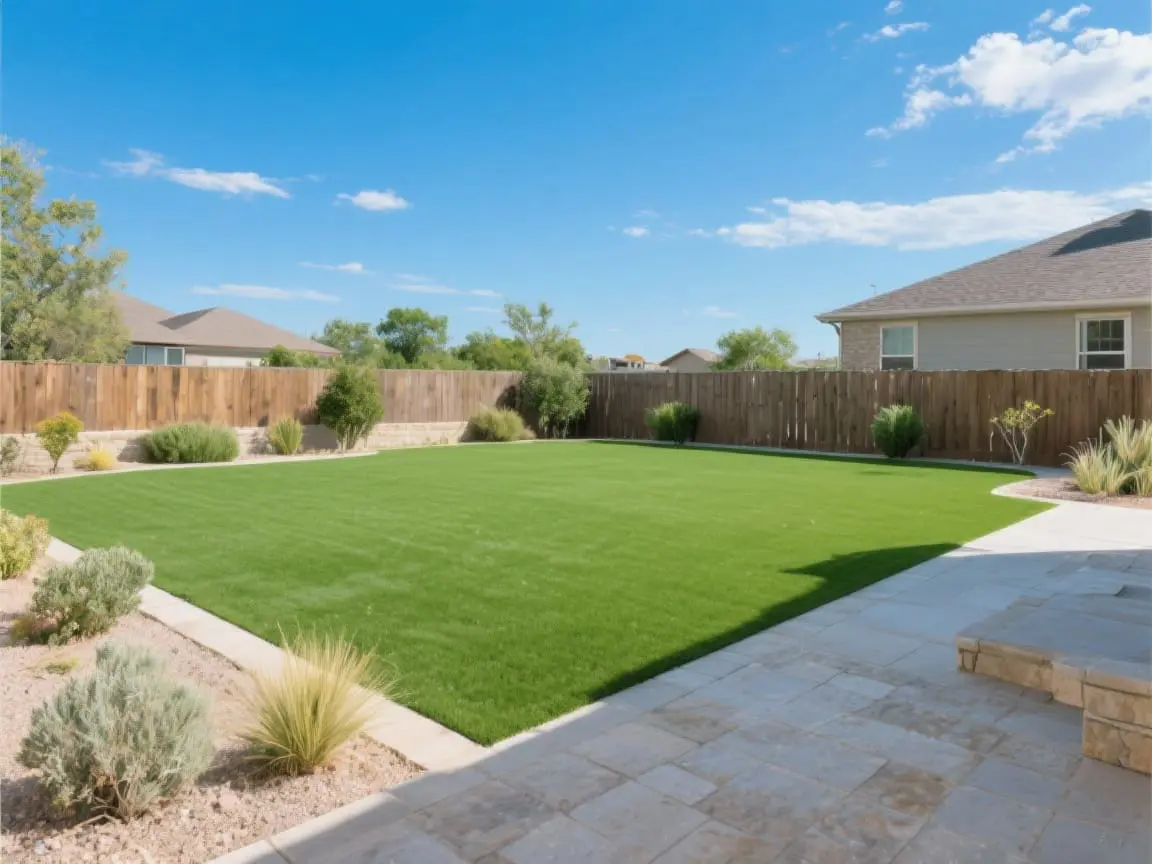
The rolls of artificial grass are carefully laid out, ensuring all the grass fibers (the “grain”) are pointing in the same direction for a uniform look. We then make precise relief cuts around obstacles like trees, planters, and paver patios for a perfect fit.
Step 4: Seaming the Turf Pieces
Where two pieces of turf meet, we use a specialized seaming tape and a strong, weather-resistant adhesive. The pieces are brought together carefully to make the seam virtually invisible, creating the appearance of a single, flawless piece of grass.
Step 5: Securing the Perimeter
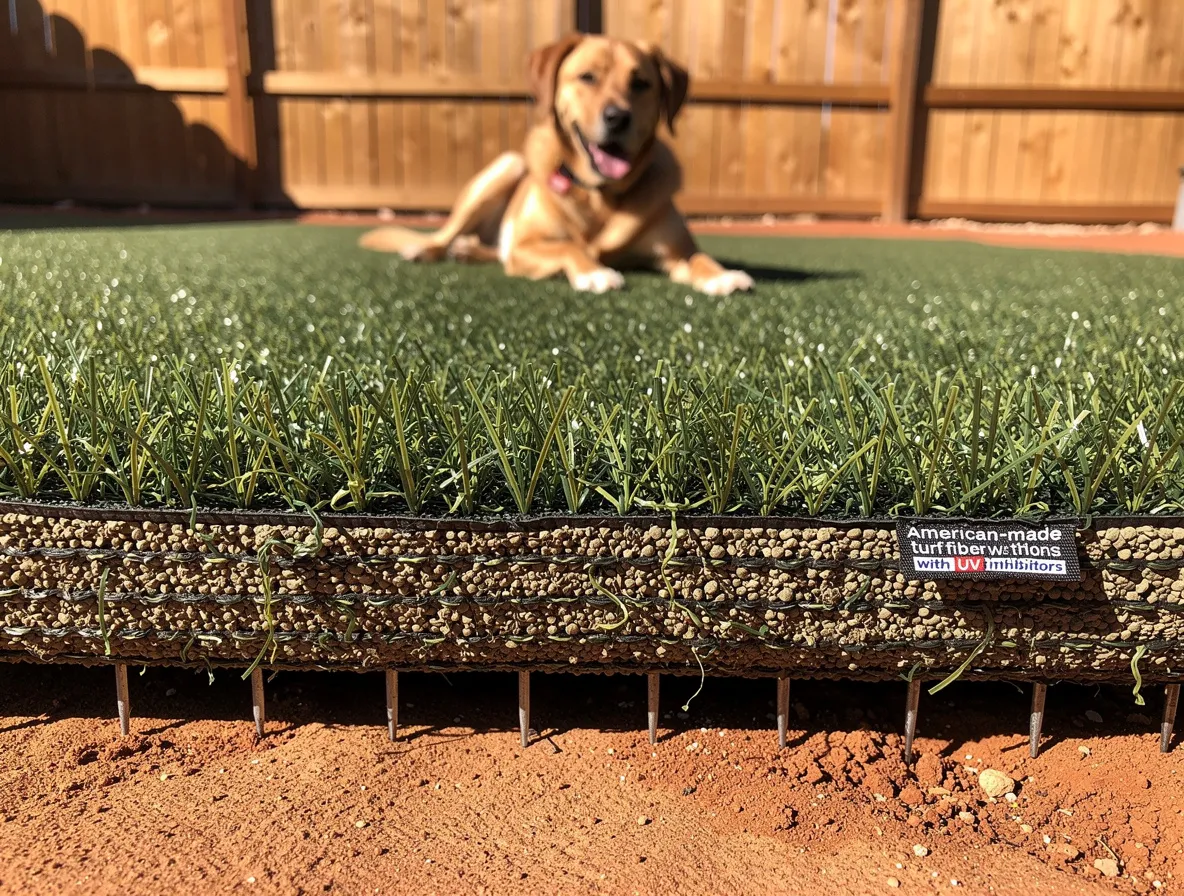
To prevent the edges from lifting over time, we secure the entire perimeter of the turf installation. We use non-galvanized landscaping spikes every 6-8 inches around the border, driving them deep into the compacted base material so they are completely hidden from view.
Step 6: Applying the Infill
Infill is a crucial component that helps the turf fibers stand upright, provides ballast to weigh the turf down, and adds a soft, cushioned feel. We use a commercial-grade drop spreader to apply a specialized infill, like antimicrobial sand or ZeoFill for pet areas, evenly across the entire surface.
Step 7: Final Grooming
The final step is to “bloom” the grass. We use a power broom, which is a heavy-duty rotary brush, to work the infill down into the base of the turf and brush the grass fibers into a natural, upright position. This gives the lawn a lush, full look and finishes the installation process.
Dealing with Turf Installation in the DFW Climate
The professional process is designed to handle unique North Texas challenges. In cooler climates, a shallower base might suffice, but here in Fort Worth and Dallas, the heavy clay demands a more robust foundation to manage drainage during our spring deluges. Furthermore, the 100°+ summers cause turf to expand. A pro installer accounts for this, leaving the right amount of space at the edges to prevent buckling when the Texas sun is at its peak.
The Bottom Line
While a DIY turf installation is possible, the professional process ensures longevity and durability against the harsh DFW climate. The right equipment and expertise in handling our unique soil are the difference between a lawn that lasts 5 years and one that lasts 15+. Don’t want to deal with renting a plate compactor or excavating tons of clay soil? Let the pros handle it.