
How to Keep Artificial Turf Cool in the Texas Summer Heat
The best way to keep artificial turf cool during a brutal Texas summer is by choosing a lighter-colored grass, using a specialized cooling infill, and giving it a quick rinse with a hose during peak sun. These techniques work together to significantly reduce the surface temperature of your lawn.
In this guide, we’ll break down the exact turf temperature reduction methods DFW homeowners can use to ensure their lawn is comfortable for family and pets, even when the thermometer hits 100°.
Why Turf Temperature Matters for Texas Lawns
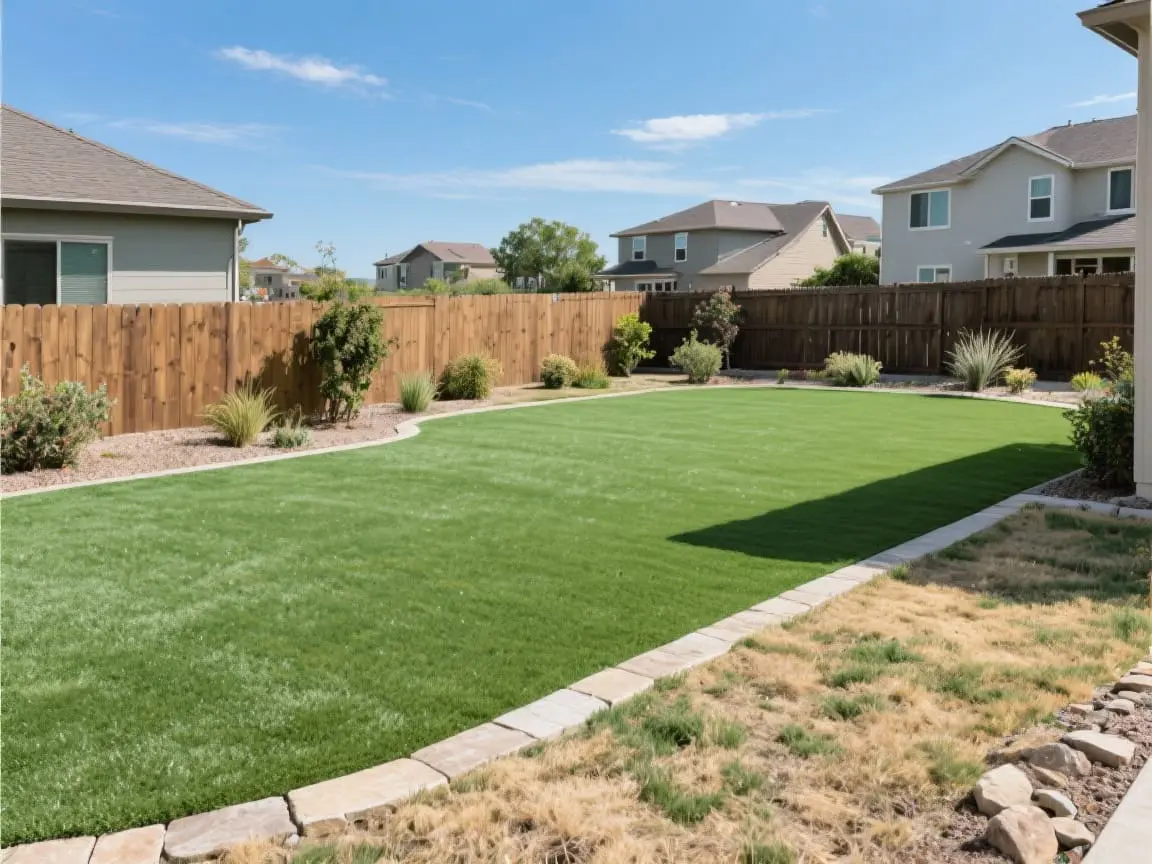
Let’s be honest: any surface in Dallas-Fort Worth is going to get hot in August. From concrete patios to dark-colored cars, the Texas sun is relentless. Artificial turf is no different. The main challenge is that traditional, dark green turf with black crumb rubber infill can absorb and hold that heat. This is a problem many homeowners don’t consider until their pet refuses to walk on the lawn at 3 PM. This is why many homeowners now factor in heat-resistance when they decide to switch to a modern residential artificial lawn.
A Step-by-Step Guide to Cooler Synthetic Turf
Keeping fake grass cool is all about smart choices during installation and simple maintenance on the hottest days. Here are the most effective methods for heat management.
Step 1: Choose Lighter Colors and High-Quality Fibers
Just like wearing a white shirt instead of a black one, lighter-colored turf reflects more sunlight and absorbs less heat. We offer a variety of turf options that blend lighter green and tan thatch fibers. This not only looks more realistic, mimicking the native grasses of North Texas, but it also stays cooler to the touch.
Step 2: Use a Specialized Cooling Infill
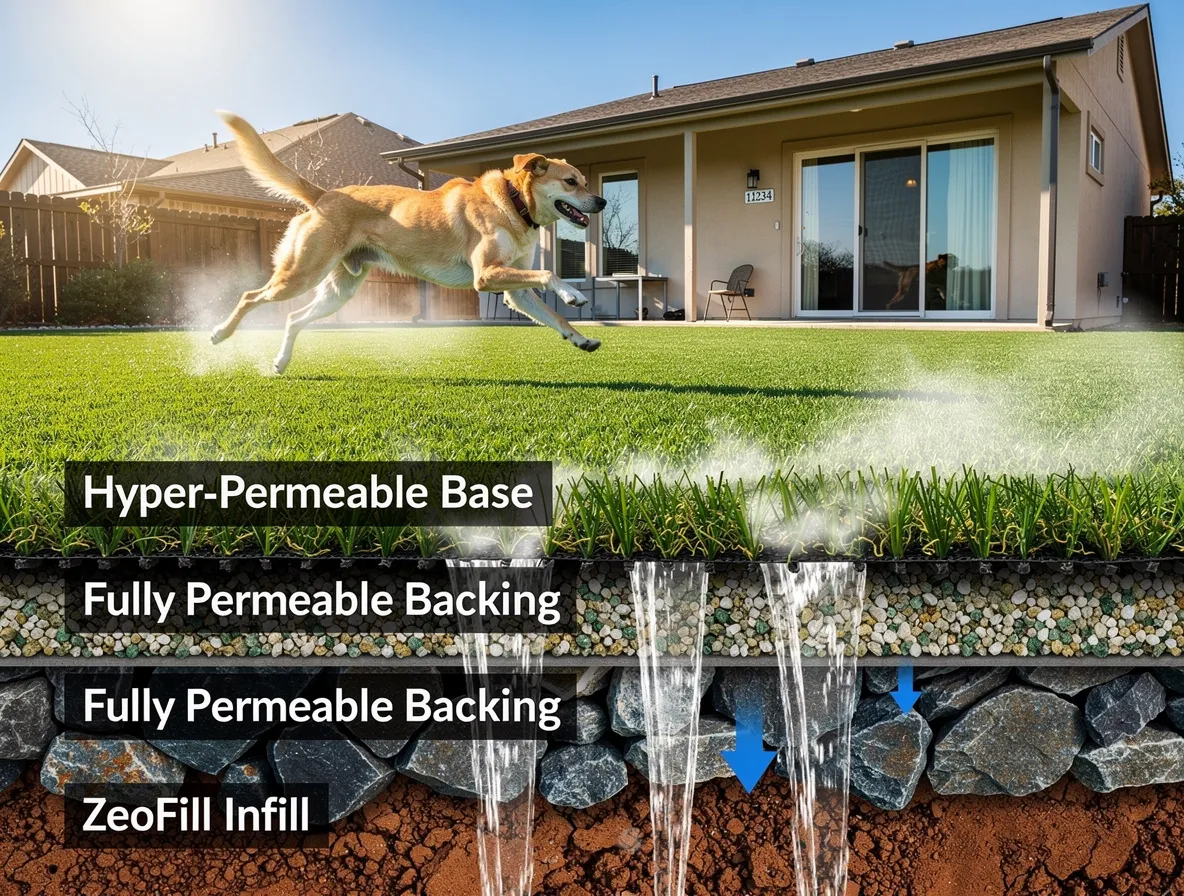
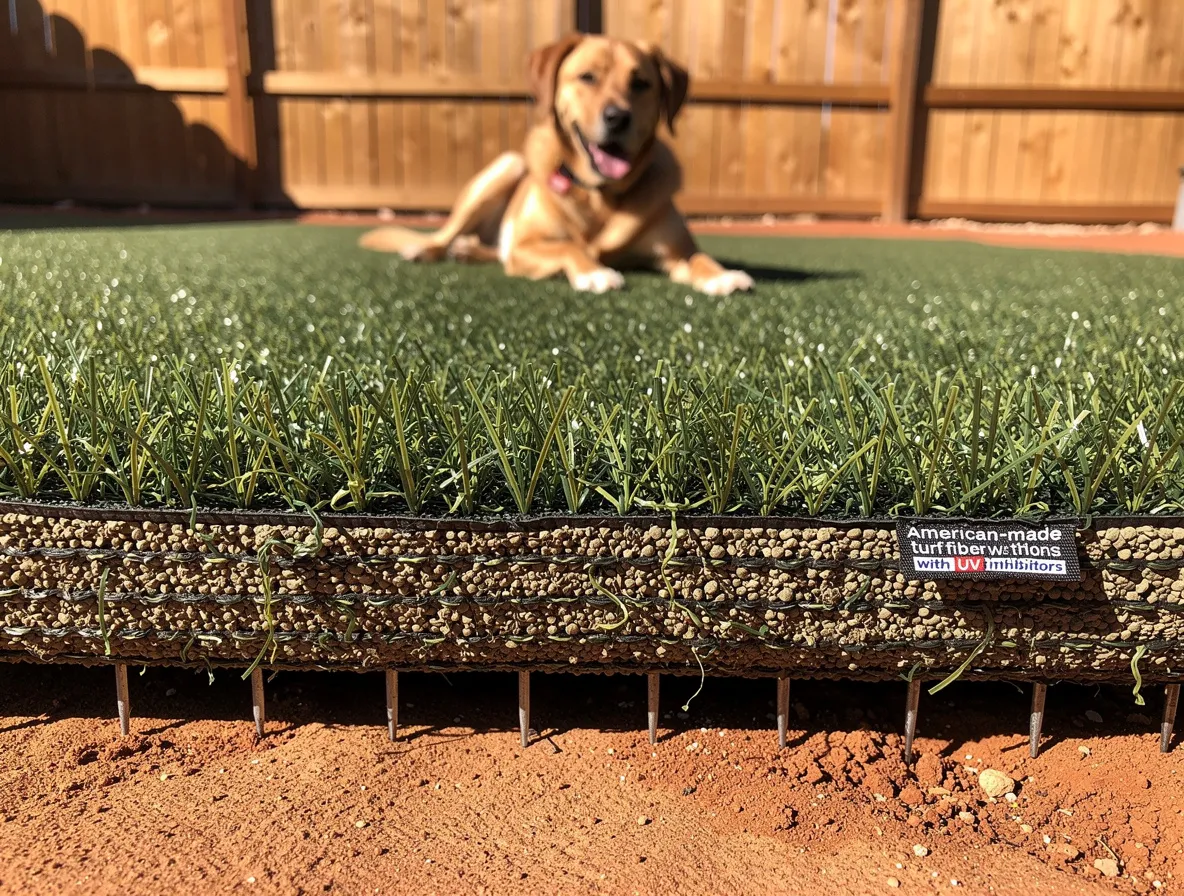
This is the single most important factor in synthetic turf heat management. Standard black crumb rubber infill acts like a heat magnet. We strongly recommend using a coated, green sand infill or a specialized product like T°Cool®. This type of infill is designed to capture moisture and release it slowly throughout the day, creating an evaporative cooling effect that can lower turf temperatures by up to 50 degrees.
Step 3: A Quick Rinse with Water
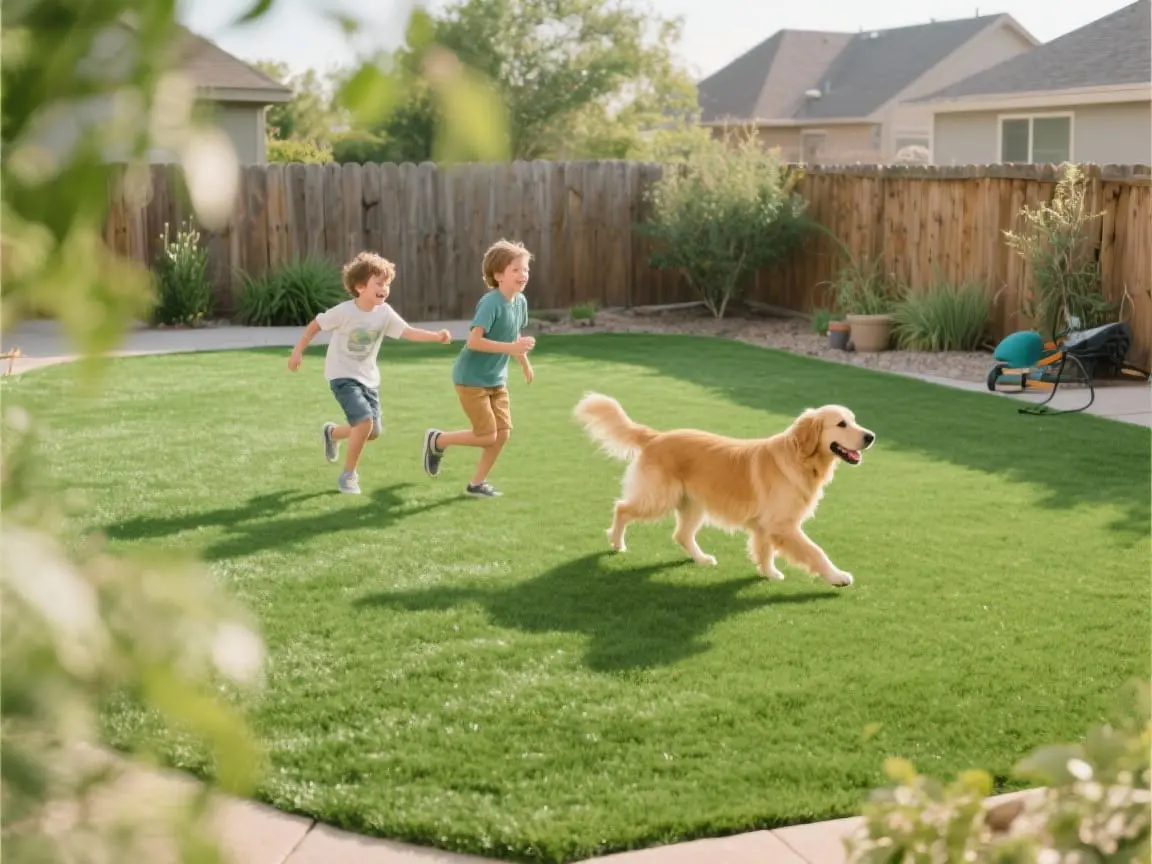
On the most extreme DFW summer days, a quick spray with the garden hose is a fast and effective solution. It doesn’t take much water—just a light misting is enough to cool the surface down rapidly through evaporation. The effect is immediate and makes the lawn comfortable for bare feet or paws right away.
Step 4: Incorporate Natural Shade
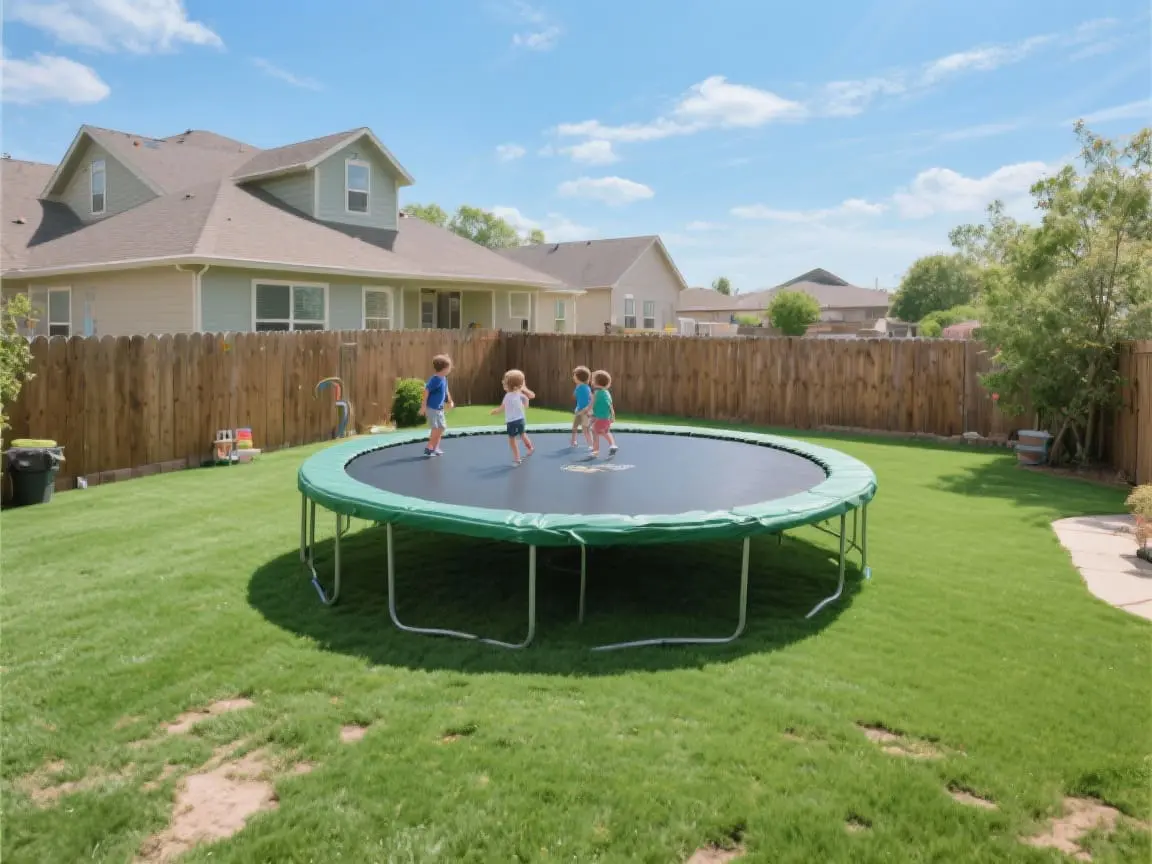
While not always possible, incorporating shade from trees, pergolas, or shade sails can make a huge difference. If you’re designing a new backyard space, consider the path of the sun. Planting a shade tree or planning your turf installation near an existing shady area can create a naturally cooler zone for play during the afternoon heat.
Dealing with Turf Heat in the DFW Climate
In cooler, less sunny climates, infill choice might be a minor detail. But here in Fort Worth and Dallas, it’s a critical component. The intense, direct sun combined with consistent 100°+ days means we have to engineer our turf systems differently. Our installations account for the “gumbo” clay soil for drainage, but we also focus heavily on heat-resistant artificial grass solutions that are specifically tested for the Texas climate. A system that works in Seattle will fail here, which is why a local expert is essential.
The Bottom Line on Turf Cooling
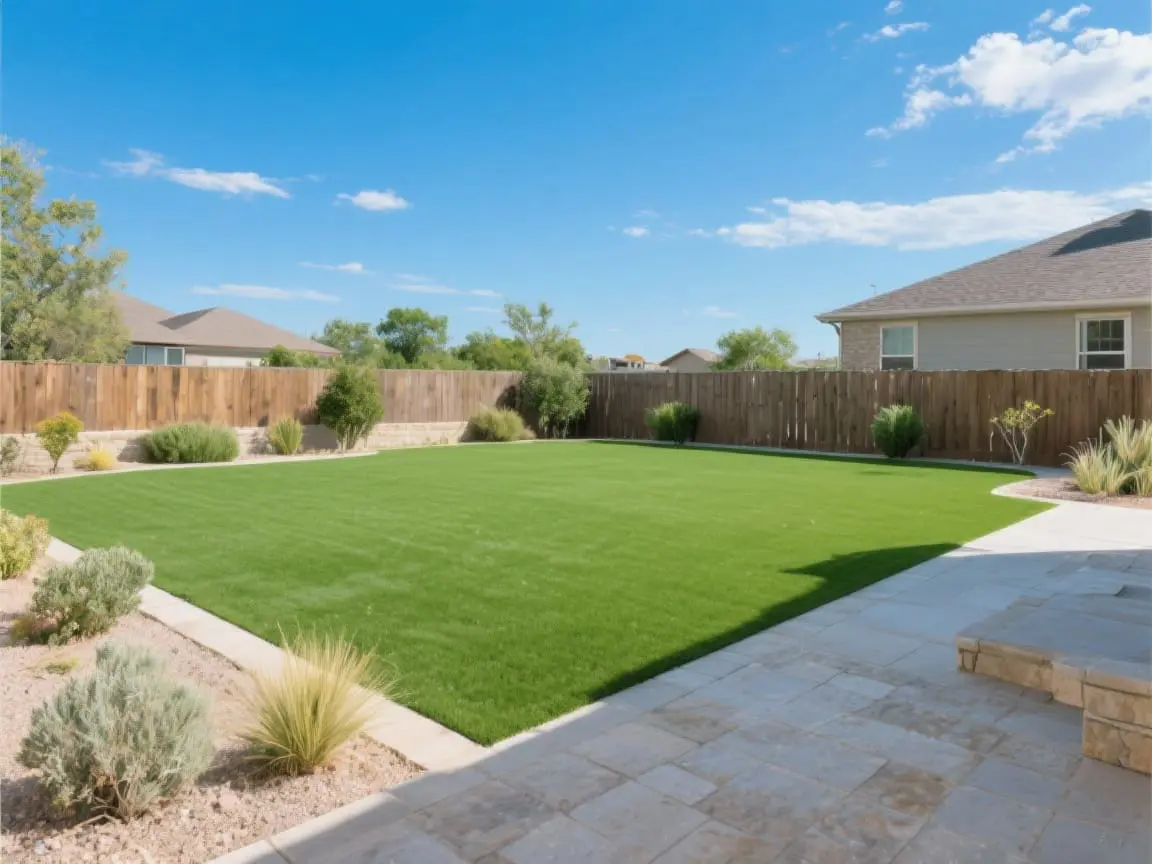
You can absolutely have a beautiful, low-maintenance artificial lawn that stays comfortable throughout the scorching Texas summer. The key is planning ahead by choosing the right materials and infill. By combining smart product selection with simple maintenance, your turf will remain a functional and pleasant part of your home year-round.
Don’t want to deal with the guesswork? Let the pros design a heat-resistant turf system for your home.