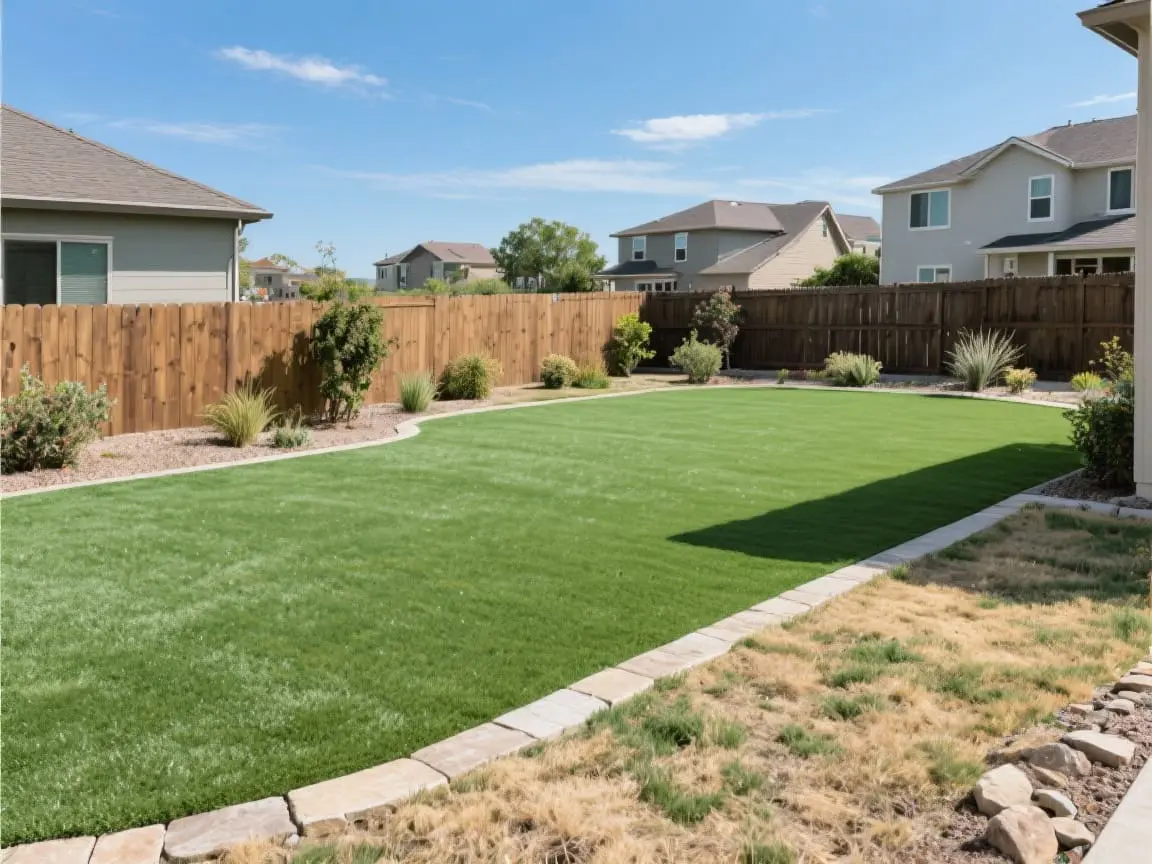
How Do You Stop Weeds from Growing Through Artificial Turf in Texas?
The most effective way to stop weeds in artificial turf is by installing a professional-grade weed barrier beneath the turf, ensuring a deeply compacted base, and performing regular surface cleaning to remove organic debris before it can germinate. This multi-layer defense is the key to a long-term, weed-free lawn.
In this guide, we break down exactly how DFW homeowners can solve weed growth in their synthetic lawn for good.
Why Weed Prevention Matters for Texas Lawns
In North Texas, weeds are relentless. Our notorious “gumbo” clay soil is a breeding ground for stubborn weeds like crabgrass and nutsedge, which can thrive in the intense summer heat. While artificial turf is a low-maintenance solution, airborne seeds can still land on the surface and try to take root in the infill. A proper installation is your primary defense against this constant threat. This is why many homeowners switch to a professionally installed Residential Turf System that accounts for these aggressive local weeds from the very first step.
A Step-by-Step Guide to Preventing Weeds in Fake Grass
Step 1: Install a Professional-Grade Weed Barrier
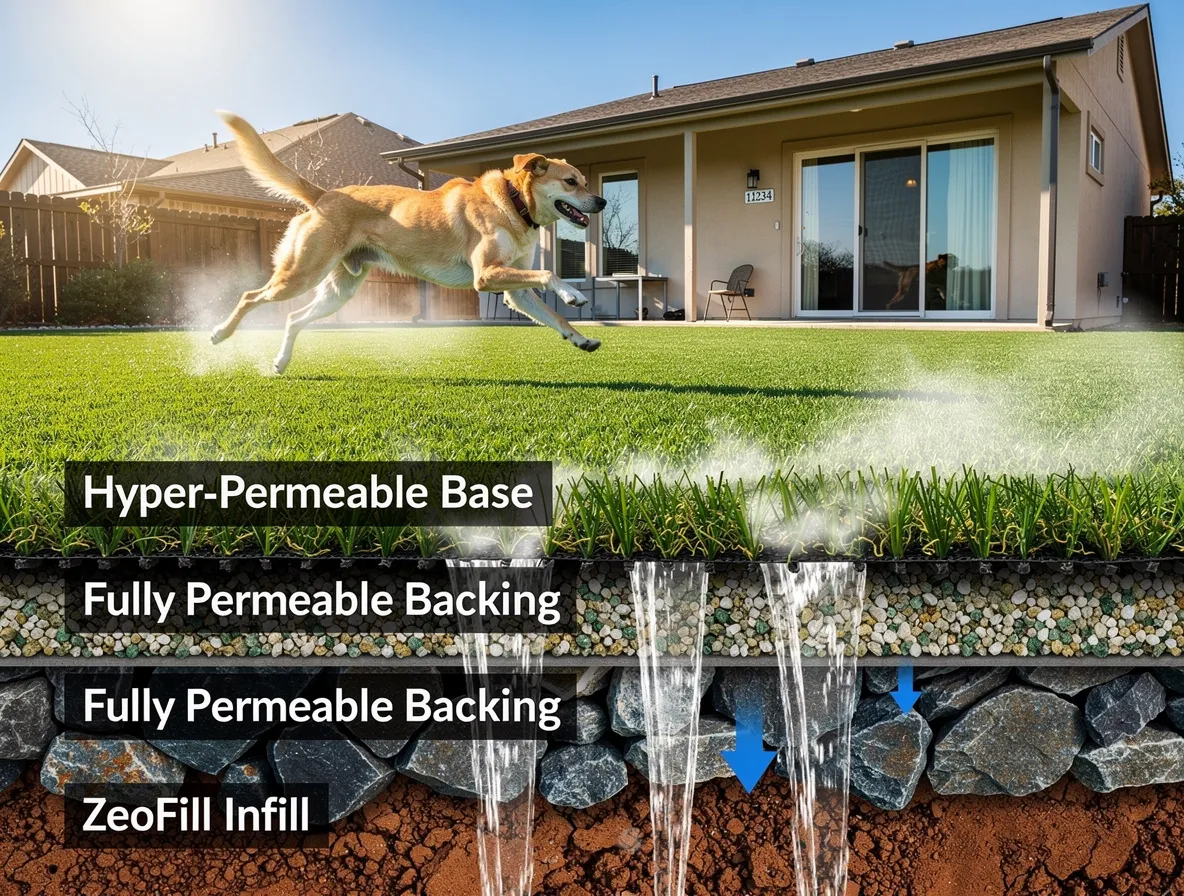
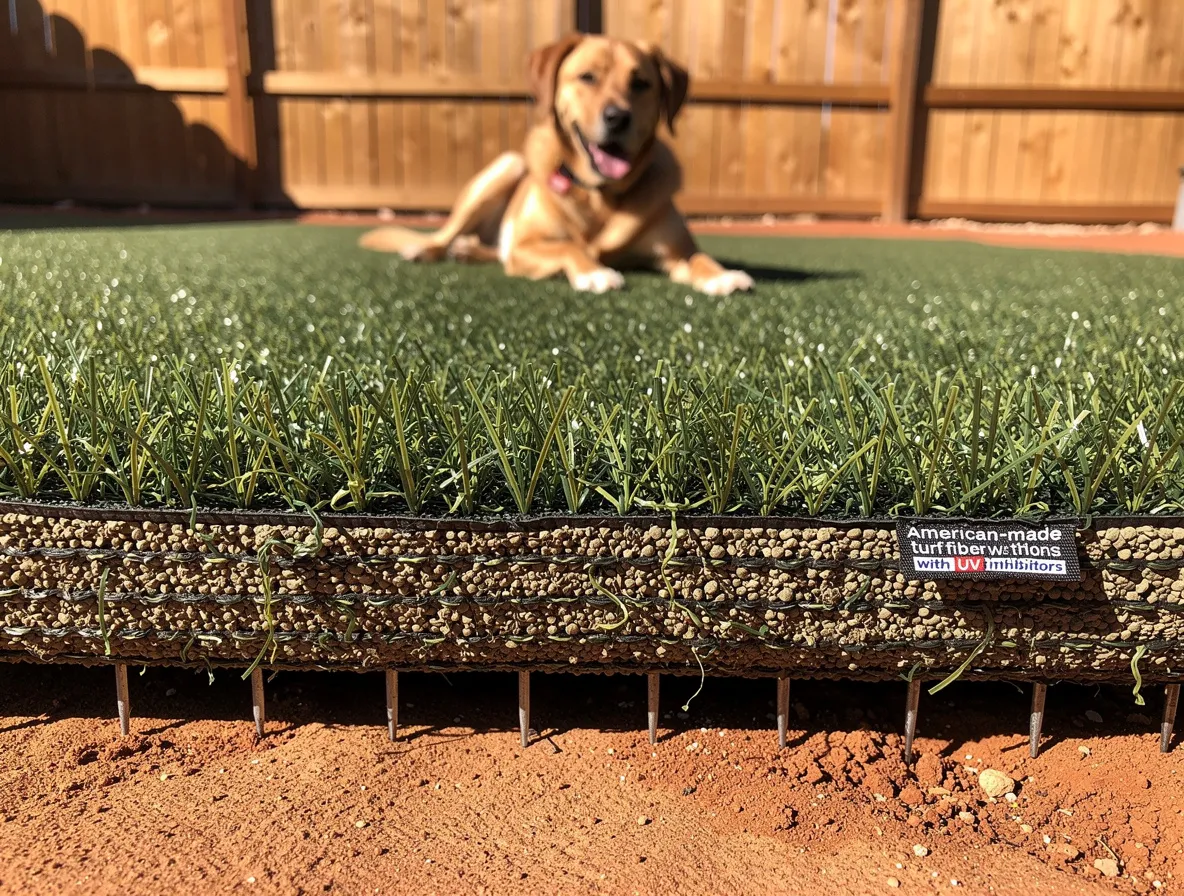
This is the non-negotiable foundation of weed prevention. We don’t use flimsy landscape fabric from a big-box store. A high-quality, permeable geotextile weed barrier is installed over the prepared native soil. This creates a powerful physical shield that prevents weeds from growing up from the soil beneath your turf system.
Step 2: Build a Deep, Compacted Base
After clearing the area, we install a multi-inch layer of crushed aggregate (road base). This base is heavily compacted to create a stable, semi-impenetrable layer. Not only does this ensure proper drainage, but it also makes it incredibly difficult for any determined weed root from below to push its way through to the surface.
Step 3: Keep the Surface Clean
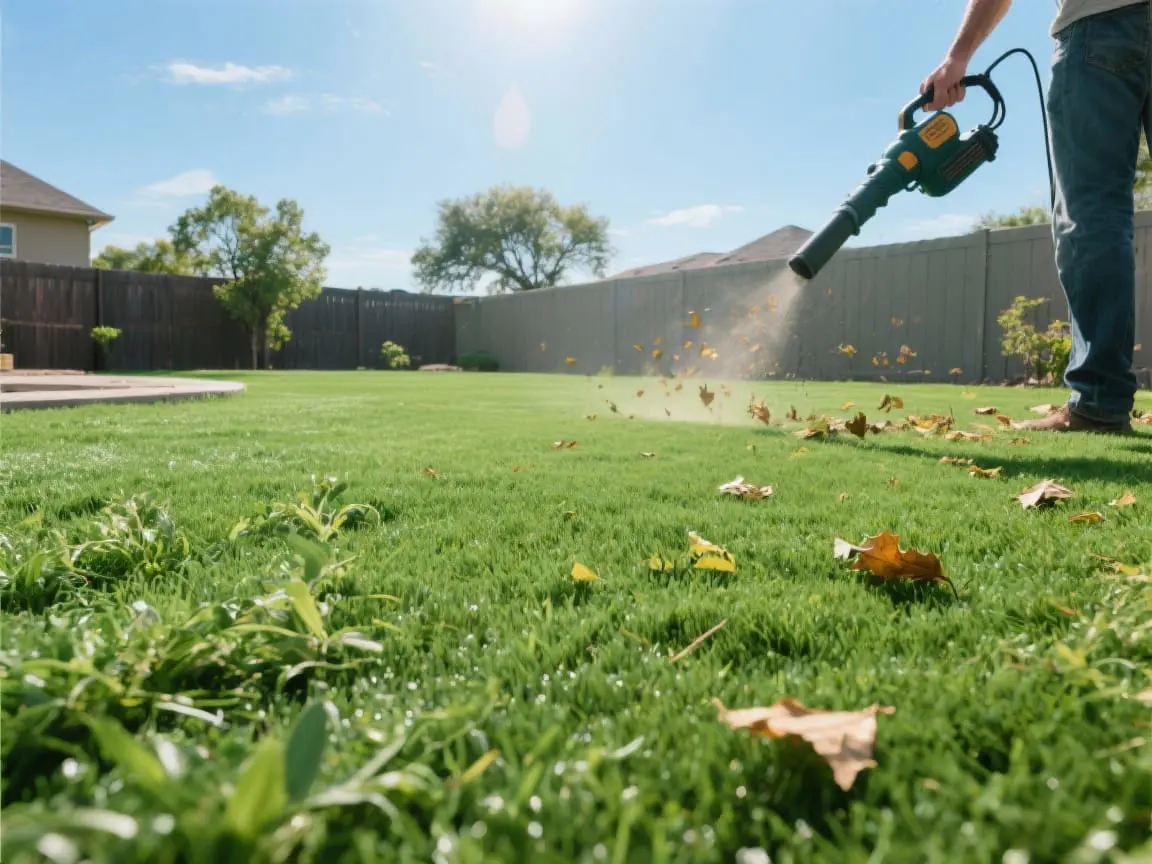
Most “weeds” you’ll see in artificial turf didn’t grow *through* it; they grew *on* it. Airborne seeds from neighboring trees or lawns land on your turf and can germinate in leaves, dust, and debris that accumulate on the surface. Regularly using a leaf blower or a stiff-bristled broom to remove this organic matter is the easiest way to prevent these surface weeds from ever starting.
Step 4: Treat Occasional Weeds Immediately
If you do spot a small weed along an edge or on the surface, pull it by hand immediately. For more stubborn spots, you can use a residential-grade, water-based weed killer. Be sure to choose one that is safe for synthetic materials and rinse the area with water after application to remove any residue from the turf fibers.
Dealing with Weeds in the DFW Climate
The intense DFW sun is a major factor. In our 100°+ summers, fallen leaves and seeds can quickly bake into your turf’s infill, creating a perfect germination spot after the next rainstorm. This is why consistent, weekly blowing is more critical here than in cooler climates. Furthermore, our heavy clay soil holds moisture, making a robust weed barrier essential to stop aggressive Texas weeds that thrive in damp, compacted earth from ever reaching your turf’s backing.
The Bottom Line
A beautiful, weed-free artificial lawn in Dallas-Fort Worth isn’t magic—it’s the result of a professional installation process that prioritizes a multi-layer defense system. From the weed barrier to the compacted base, every step is designed to combat Texas’s unique challenges. While minimal maintenance is required, a proper foundation does 99% of the work for you.
Don’t want to deal with the risk of future weeds? Let the pros build your defense system from the ground up.