How Do You Stop Weeds from Growing in Artificial Turf?
The most effective way to prevent weeds in artificial turf is through a professional installation that includes a compacted base and a high-quality weed barrier. For any surface weeds that appear from airborne seeds, regular rinsing and the use of a turf-safe weed killer will keep your lawn pristine. In this guide, we break down exactly how DFW homeowners can achieve a flawless, weed-free lawn for good.
Why Weed Control Matters for DFW Synthetic Lawns
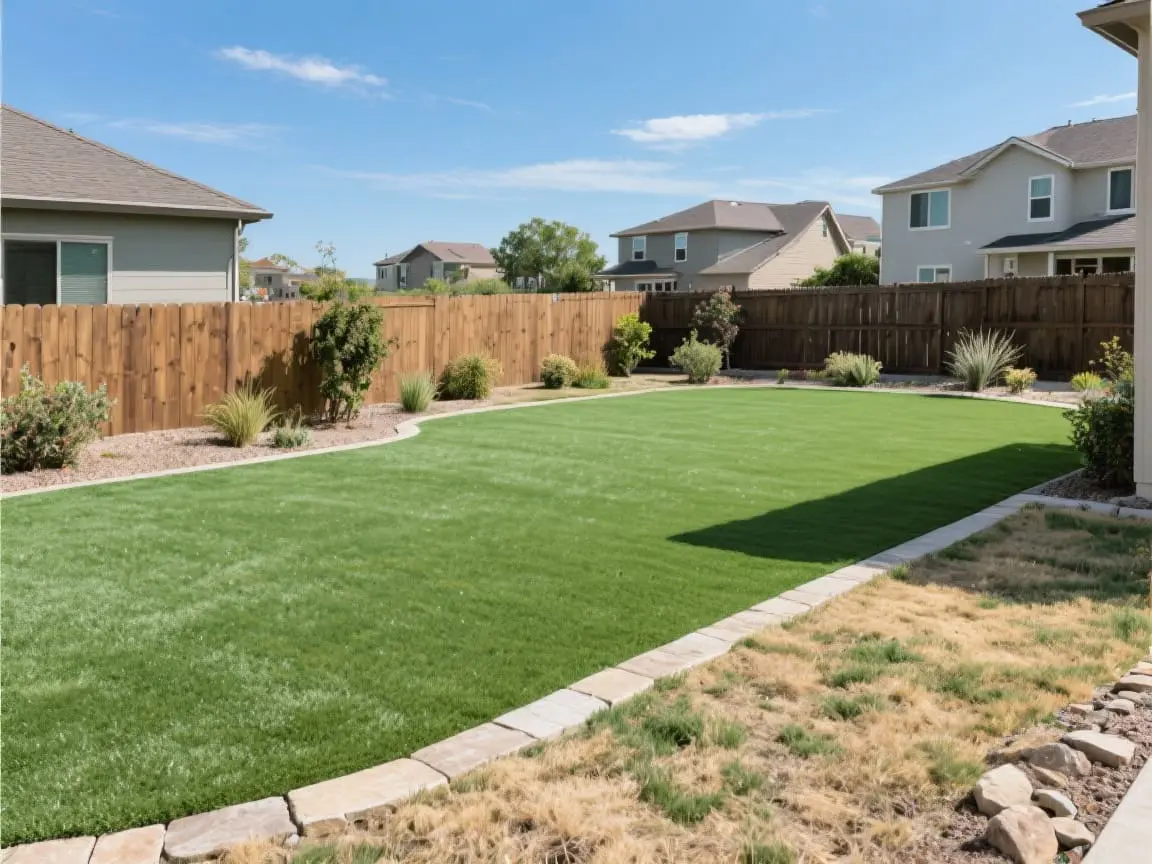
In North Texas, the battle against weeds is constant. Aggressive local weeds, intense summer heat, and seeds blowing in from neighbors’ yards mean that even a synthetic lawn needs a defense plan. Weeds don’t grow *through* a professionally installed turf system; they attempt to grow on the surface or creep in from the edges. This is why a proper installation is the foundation of a maintenance-free lawn, making our Residential Turf Systems the best long-term solution for DFW homeowners.
A Step-by-Step Guide to Preventing Weeds in Fake Grass
Achieving a perfect, weed-free lawn comes down to two things: a stellar installation and simple, periodic upkeep. Here’s how we ensure weeds are never a problem.
Step 1: A Flawless Base Installation
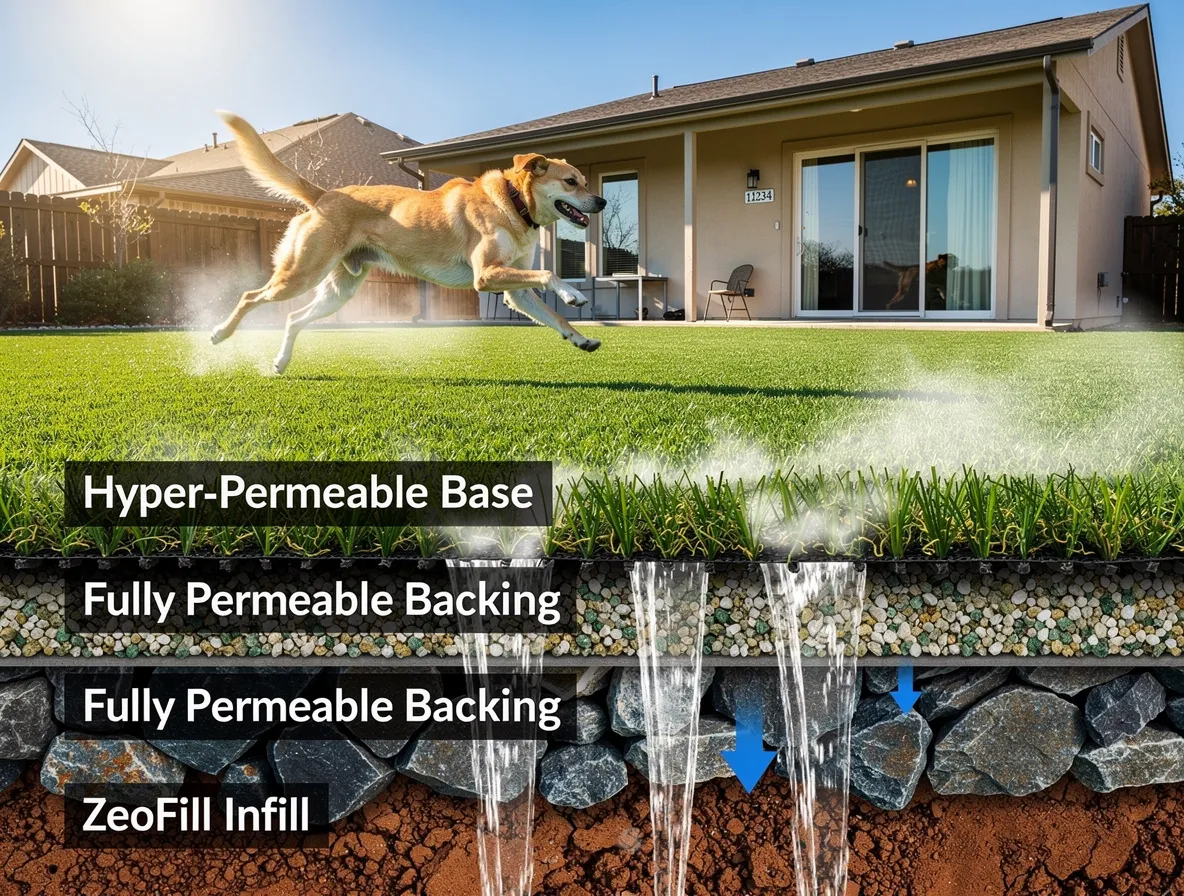
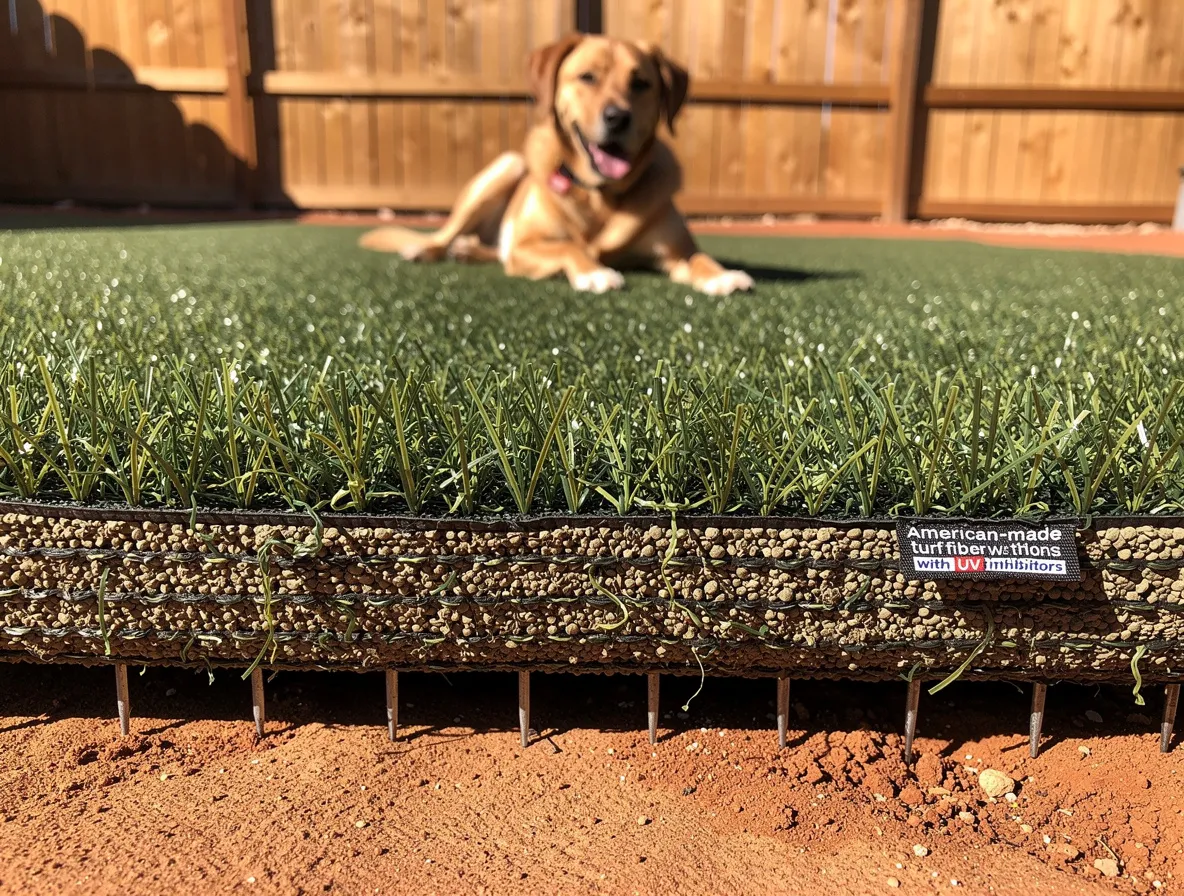
The real secret to weed prevention lies beneath the turf. We excavate the existing soil and install a multi-layer base of crushed rock aggregate. This base is heavily compacted to create a stable, solid foundation that is nearly impossible for weeds from the soil below to penetrate.
Step 2: A Professional-Grade Weed Barrier
On top of the compacted base, we lay down a commercial-grade, permeable weed barrier fabric. This isn’t the flimsy material you find at a big-box store. Our barriers are tough, UV-stabilized, and designed to block root growth from below while still allowing for rapid water drainage—a must-have for heavy Texas thunderstorms.
Step 3: Regular Rinsing and Brushing
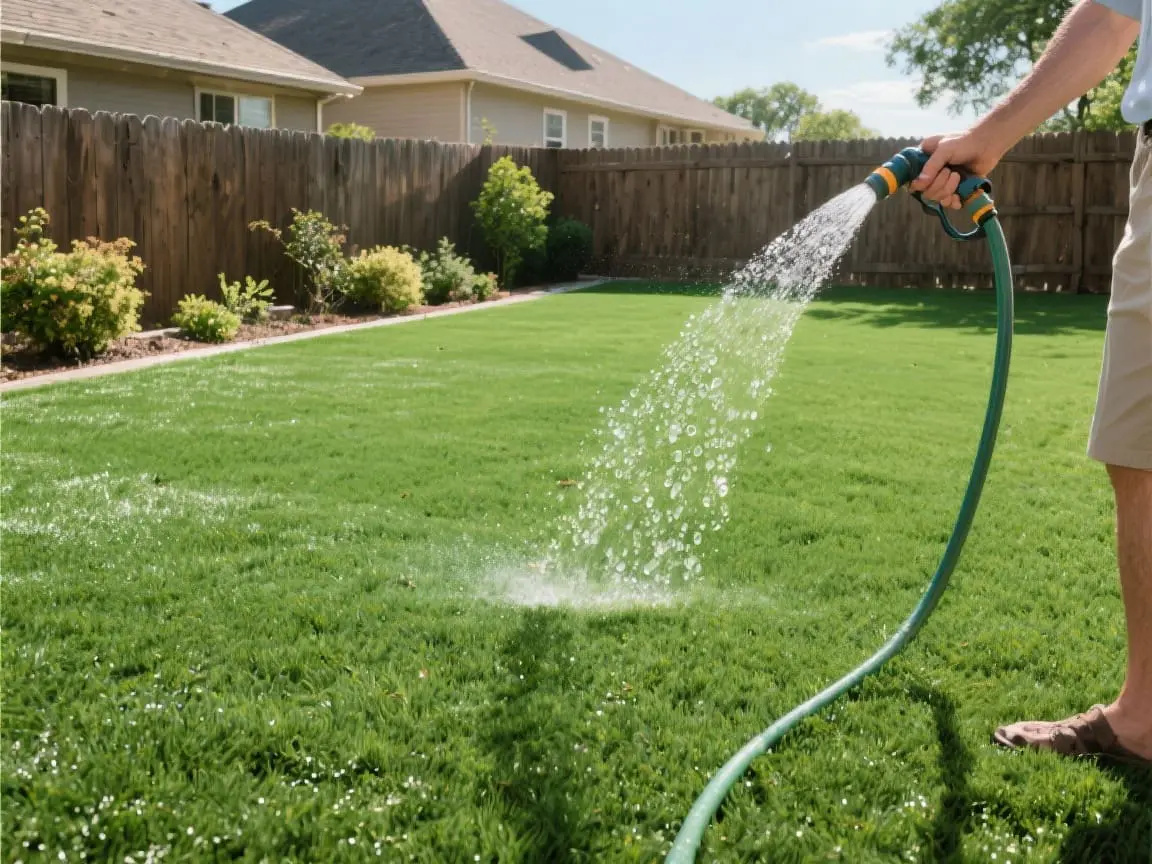
Airborne seeds can land on your turf and try to germinate in the infill. The easiest way to stop this is to periodically rinse your lawn with a hose. This washes away dust, pollen, and seeds before they have a chance to take root. A quick brushing with a stiff broom also helps keep the infill level and inhospitable to weeds.
Step 4: Use a Weed Killer Safe for Synthetic Turf
If a stubborn weed does appear on the edge of your turf, don’t worry. You can easily spot-treat it. Most residential weed killers are safe for synthetic turf fibers, but always check the label to ensure it won’t cause discoloration. For a natural alternative, a solution of vinegar and salt can also be effective.
Dealing with Weeds in the DFW Climate
The 100°+ summer heat in Dallas-Fort Worth can bake airborne seeds into your lawn’s surface. Unlike cooler climates where seeds might just sit dormant, the Texas sun accelerates germination. This is why regular rinsing is so important here. Furthermore, our heavy “gumbo” clay soil can be a haven for persistent weeds like nutsedge along the borders of an installation. A properly installed bender board edge and secure perimeter are critical to keeping these invaders out.
The Bottom Line on a Weed-Free Lawn
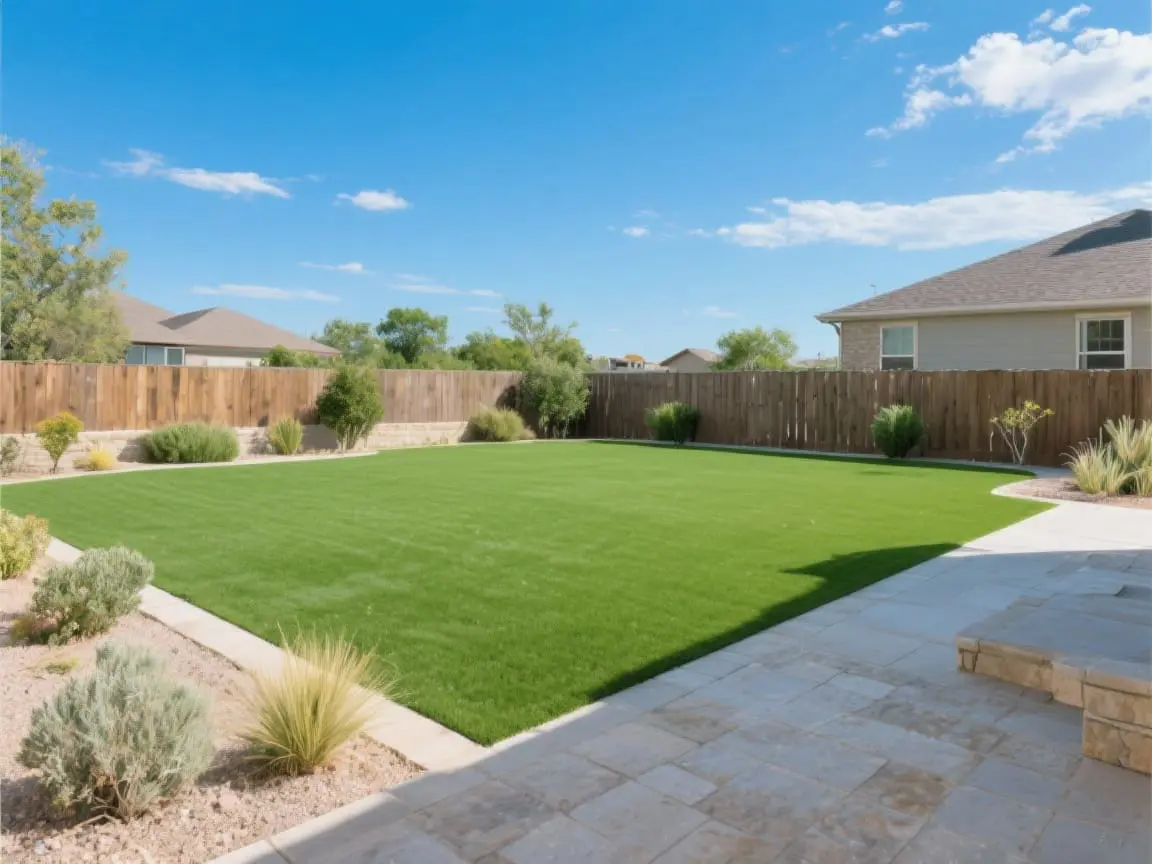
A beautiful artificial turf lawn should be a source of relaxation, not another chore. While 100% prevention is impossible due to airborne seeds, a professional installation from All American Turf makes weed management incredibly simple. The right base, a quality weed barrier, and minimal upkeep are all it takes.
Tired of battling weeds in your DFW yard? Let the pros build you a lawn that stays perfect year-round.