
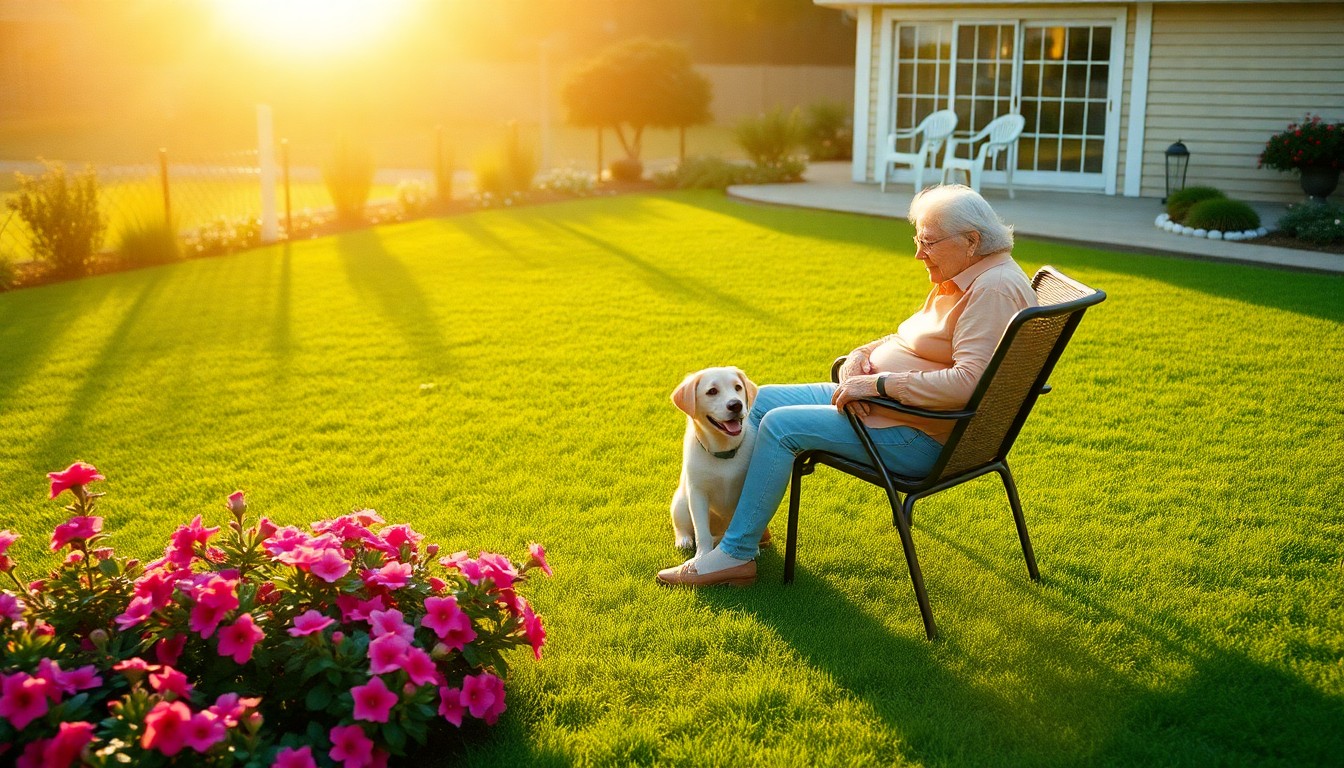
Pet-Friendly Turf for Senior Households: What You Need to Know First
If you’re wondering whether pet-friendly turf is a safe, practical choice for a senior household, the short answer is: yes, it can be—if you choose the right type and install it thoughtfully.
For many seniors and their families, pet-friendly turf for senior households offers:
- Softer, safer walking surfaces
- Fewer muddy messes and yard chores
- Better traction and stability for canes, walkers, or balance issues
- A more hygienic, easier-to-clean space for pets
But not all turf is automatically “senior-friendly”—and not all “pet turf” will be right for aging bodies, changing health needs, and indoor air quality considerations.
This guide walks through how Pet-Friendly Senior Turf works, why it’s relevant now, and what to look for if you’re considering safe, low-maintenance turf for seniors and their pets.
What Is Pet-Friendly Senior Turf?
Pet-Friendly Senior Turf is a type of artificial grass designed specifically to be:
- Comfortable and safe for seniors to walk or stand on
- Durable and hygienic for pets to play, run, and relieve themselves on
- Low-maintenance and easy to clean, reducing physical strain
It sits at the overlap between two needs:
- Senior-friendly turf: prioritizes safety, comfort, and accessibility
- Pet turf: prioritizes drainage, odor control, and durability
Pet-Friendly Senior Turf merges both, creating a yard that supports healthy, active aging and daily pet care without the heavy upkeep of natural grass.
Why Pet-Friendly Turf Matters for Senior Households Right Now
Between aging-in-place trends and rising pet ownership among older adults, the outdoor environment has become part of health planning—not just décor.
Pet-friendly turf for senior households is relevant now because:
- More seniors are choosing to age in place. That means yards must be safer and easier to maintain.
- Pets are emotional support. Dogs and cats play a huge role in combating loneliness and depression in older adults. Outdoor spaces should support that bond, not make it harder.
- Extreme weather is more common. Heat, mud, and slippery grass can increase fall risks and strain.
- Health conditions are changing. Mobility issues, allergies, and sensitivity to chemicals can make traditional yard care less practical and less safe.
In this context, Pet-Friendly Senior Turf isn’t just a landscaping choice—it’s part of creating a low-risk, low-effort, high-comfort home environment for seniors and their pets.
Key Benefits of Pet-Friendly Turf for Senior Households
1. Reduced Fall Risk and Better Stability
For seniors, falls are a serious concern. Pet-friendly turf designed with seniors in mind can support safer movement:
- Even, predictable surface – Fewer holes, dips, and muddy patches than natural grass
- Improved traction – Specialized turf fibers and infill can reduce slipping
- Customizable cushioning – Underlayment pads can soften impact, helpful for joints and potential falls
This makes it easier for seniors to:
- Use walkers, canes, or wheelchairs
- Move confidently with pets on a leash
- Navigate the yard after rain or in cooler, damp seasons
2. Lower Physical Demands and Yard Maintenance
Traditional grass requires:
- Mowing
- Edging
- Weeding
- Fertilizing and chemical treatments
- Watering
For many seniors, this becomes physically demanding or impossible without help.
Pet-Friendly Senior Turf offers:
- No mowing or edging
- No routine fertilizing or herbicides
- Reduced water usage
- Less bending, lifting, or pushing equipment
Yard time becomes about enjoyment with pets, not strenuous chores.
3. Cleaner, More Hygienic Pet Areas
Pets bring joy—but they also bring mud, odors, and mess. Pet-focused turf systems typically include:
- Permeable backing – Allows urine to drain through instead of pooling
- Antimicrobial infill or treatments – Helps reduce bacteria and odor buildup
- Easy-to-rinse surfaces – Solid waste is easier to pick up and clean
This can be especially helpful for:
- Seniors with limited mobility who struggle with muddy lawns
- Households where keeping indoor flooring clean is a priority
- Families helping older relatives manage daily pet care
4. Comfort for Sensitive Joints (For Humans and Pets)
For older adults and aging pets:
- Cushioned underlayers can help reduce impact on knees, hips, and back
- Consistent softness can be easier on paws and bare feet
- Temperature-conscious options (lighter colors, certain infills) can help manage surface heat in sunny climates
Together, these features create a more comfortable yard that invites gentle movement and play, rather than discouraging it.
What Makes Turf “Senior-Friendly” as Well as Pet-Friendly?
To truly qualify as Pet-Friendly Senior Turf, a system needs to support:
- Safety – Reduced trip hazards, slips, and harsh surface temperatures
- Accessibility – Compatible with mobility aids and varying balance levels
- Health and comfort – Minimizes allergies, irritants, and extreme surface heat
Key considerations include:
- Pile height: Short-to-moderate pile (often 1.0–1.5 inches) for better footing
- Density: Dense enough for stability, but not so thick that it grabs shoes or mobility aids
- Infill choice: Softer, lower-dust infills can be more comfortable and cleaner
- Underlayment: Shock pads or foam layers can add cushioning and impact absorption
If allergies or sensitivities are a concern, selecting safe turf materials and thoughtful infills becomes part of a larger wellness strategy. You can learn more about this connection in the context of allergy-friendly surfaces for seniors here:
Allergy Reduction Strategies for Seniors.
How to Evaluate Pet-Friendly Turf for a Senior Household
Use the following checklist when considering Pet-Friendly Senior Turf for yourself or an older loved one.
1. Safety and Mobility
Ask:
- Does the turf surface feel stable underfoot?
- Is it firm enough for canes, walkers, or wheelchairs?
- Are transition edges (from turf to pavement or deck) smooth and level?
- Is there an option for shock-absorbing underlayment?
2. Pet-Specific Performance
Consider:
- Drainage design:
- Does urine pass through quickly and fully?
- Is there a graded base to move water away from the house?
- Waste cleanup:
- Is the fiber height manageable for easy solid waste pickup?
- Odor control:
- Are there antimicrobial properties or deodorizing infills?
3. Comfort and Temperature
Evaluate:
- How hot does the turf get during sunny days?
- Are there lighter fiber colors or specialized infills to reduce heat?
- Does it feel comfortable on bare feet and paws?
4. Health and Allergy Considerations
Especially relevant for seniors with respiratory or skin sensitivities:
- Are materials low-VOC and made without harsh chemicals where possible?
- Is the infill low-dust and non-irritating?
- Could turf reduce exposure to pollen, mold, or lawn chemicals used on natural grass?
For a deeper dive into how surface selection impacts allergies and respiratory comfort, see:
Allergy Reduction for Seniors: Safer Surface Choices Indoors and Out.
5. Maintenance Fit With Senior Abilities
Ask:
- How often does the turf need rinsing or brushing?
- Is the required upkeep realistic for the senior’s strength, mobility, and energy?
- Will family, neighbors, or a service help with heavier maintenance tasks if needed?
Design Ideas: Where Pet-Friendly Senior Turf Works Best
Pet-friendly turf for senior households can be used in many ways, depending on space and lifestyle.
1. Small Pet Relief Zones
Ideal for apartments, condos, or smaller yards:
- Balcony or patio turf pads
- Side-yard “pet potty” areas
- Designated strip near doors to avoid tracking mud indoors
2. Main Backyard or Garden Area
For seniors with more space:
- Larger activity lawn for gentle exercise or gardening adjacent
- Mixed surfaces: turf plus raised beds, pathways, or seating areas
- Pet play zones separated from delicate plants or flowerbeds
3. Mobility-Friendly Pathways and Entrances
Turf can be used alongside or instead of traditional hardscapes:
- Soft-edged pathways around the yard
- Gentle transitions from patio to lawn
- Turf-lined areas near seating or outdoor benches
Balancing Senior Safety, Pet Happiness, and Aesthetics
Well-planned Pet-Friendly Senior Turf doesn’t have to look artificial or clinical.
You can maintain a natural, welcoming look by:
- Choosing turf with varied blade colors and textures
- Framing turf with natural elements like stone edging or planters
- Combining turf with raised garden beds that are easier for seniors to reach
- Creating shaded zones with umbrellas, pergolas, or trees to manage heat
The goal is a yard that feels:
- Safe and predictable to move through
- Visually calming and enjoyable
- Functional for both pets and people, day to day
Getting Started: Questions to Ask Before Choosing Turf
Before you move forward with any product or installation, clarify:
- Primary purpose:
- Is this mostly for the senior’s mobility and safety, the pet’s comfort, or equally both?
- Health conditions:
- Are there balance issues, joint pain, respiratory concerns, or skin sensitivities that influence material choice?
- Climate:
- Does your region have intense heat, heavy rain, or snow that affects drainage and temperature?
- Maintenance plans:
- Who will handle routine rinsing and occasional deeper cleaning?
Writing these answers down can help you compare options more clearly and communicate needs to any professional you consult.
FAQ: Pet-Friendly Turf for Senior Households
| Question | Answer |
|---|---|
| Is pet-friendly turf safe for seniors with mobility issues? | Yes, when designed as Pet-Friendly Senior Turf. Look for even surfaces, good traction, and optional shock pads. Ensure transitions to walkways and patios are smooth to reduce trip risk. |
| Does turf get too hot for seniors and pets? | It can in direct sun, but lighter fibers, certain infills, and shaded areas can help reduce heat. Testing a sample during a warm day in your climate is a smart step. |
| How do you clean pet waste from turf? | Solid waste is picked up as usual, then the area is rinsed with water. Urine drains through the backing; periodic rinsing and, if needed, pet-safe cleaners help manage odor. |
| Can artificial turf help with allergies for seniors? | For some, yes. Turf can reduce pollen exposure, dust from bare soil, and lawn chemicals from traditional grass. Material choice still matters—see allergy-reduction-seniors for more on selecting safer surfaces. |
| Is pet-friendly turf hard to maintain for older adults? | Routine upkeep is lighter than natural grass: mainly occasional rinsing and brushing. However, seniors with limited mobility may still benefit from help with heavier cleaning or seasonal tasks. |
| Will turf work for larger or very active dogs? | Yes, if you choose a system rated for high traffic and pets. Dense, durable fibers and strong backing help prevent flattening or damage from running and rough play. |
| Can wheelchairs or walkers be used on turf? | Many senior-friendly turf systems are firm enough for mobility aids. Choose shorter pile heights and a properly compacted base for smoother rolling and better stability. |
| Does pet-friendly turf look natural enough for a residential yard? | Modern turfs often include multi-tone fibers and varied textures that mimic real grass. When combined with plants, planters, and natural edging, they can look very natural and inviting. |
By understanding how Pet-Friendly Senior Turf supports safety, comfort, and ease of care, you can make more confident decisions about transforming outdoor spaces into truly senior- and pet-friendly environments—without sacrificing beauty, independence, or everyday enjoyment.
Explore Related Turf Resources
Related Turf Guides
- Antimicrobial Turf Benefits: What It Is, Why It Matters, and How Infill & Materials Affect Performance
If you’re wondering whether antimicrobial turf is really worth paying attention to, here’s the short answer:
- Best Turf Materials For Pools
The Definitive Guide to Best Turf Materials for DFW Pool Areas1. Direct Answer Intro (Featured Snippet Optimized)The best artificial turf materials for pool surrounds are high-grade, flow-through ...
- Can artificial turf provide a safer, cleaner, and more durable playground surface for daycares?
Yes, artificial turf is widely recognized as the superior surfacing choice for daycare and educational playgrounds, providing a consistently safe, antimicrobial, and low-maintenance environment tha...
- Custom Putting Green Design: Transforming Your Backyard into a Personal Training Facility
Custom Putting Green Design: Transforming Your Backyard into a Personal Training Facility1. Direct Answer Intro (Featured Snippet Optimized)
- Diy Vs Professional Pet Turf Installation
The decision between a DIY pet turf installation and hiring a professional comes down to balancing cost savings against specialized expertise in drainage, base preparation, and selecting pet-specif...